Extendable tables
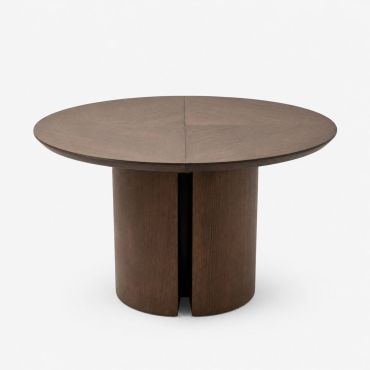
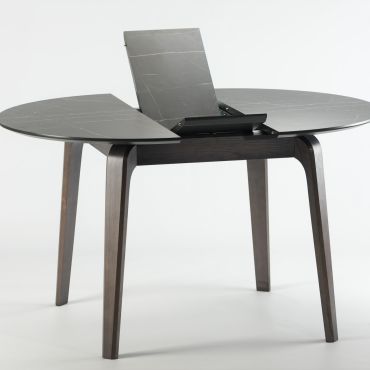
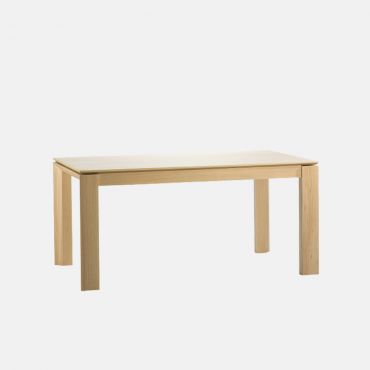
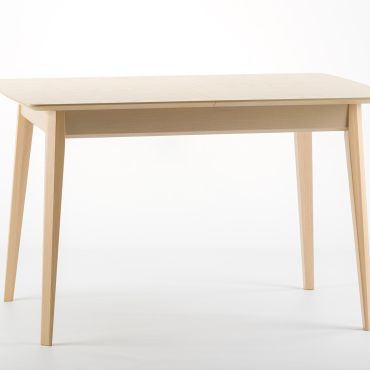

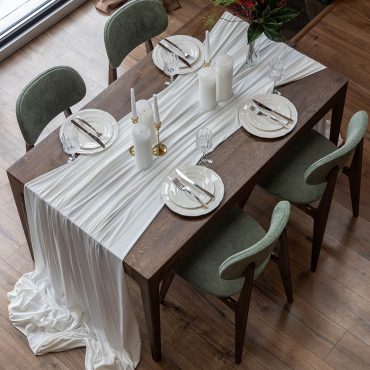

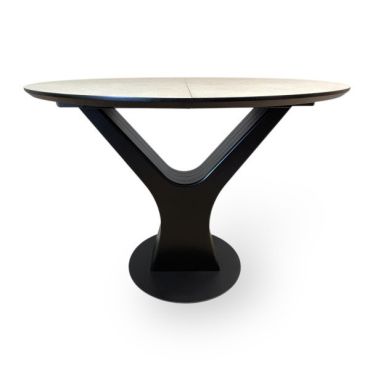
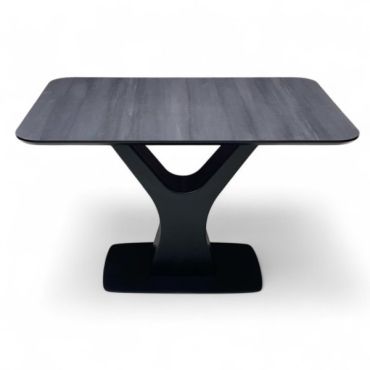
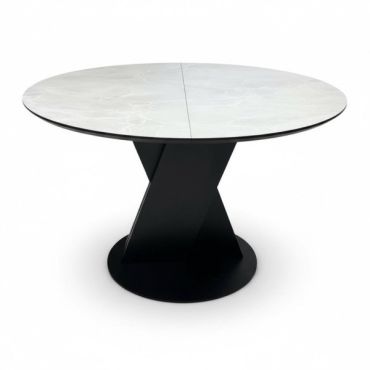
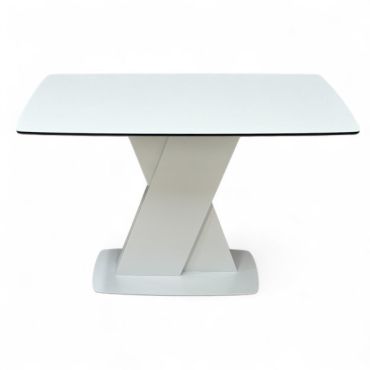
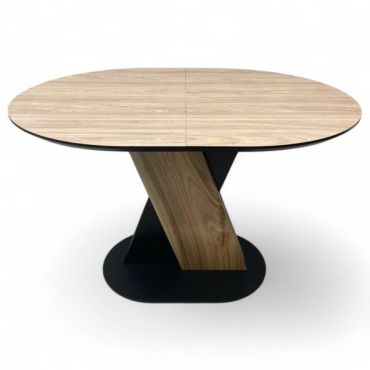
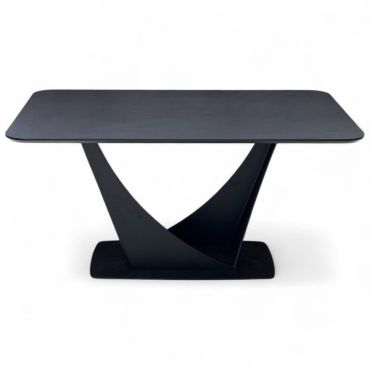
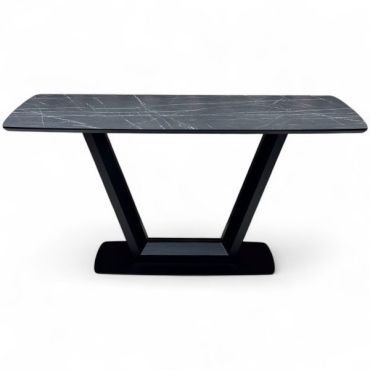
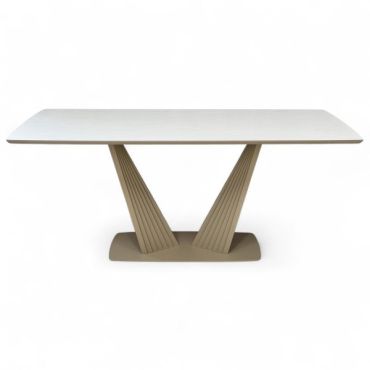
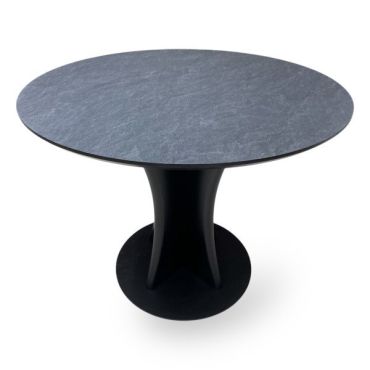
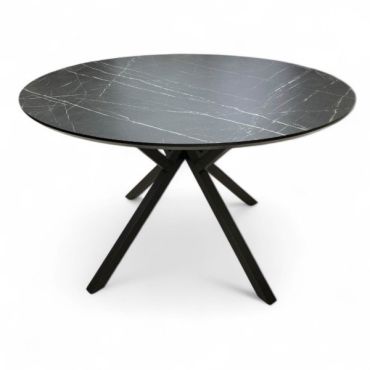
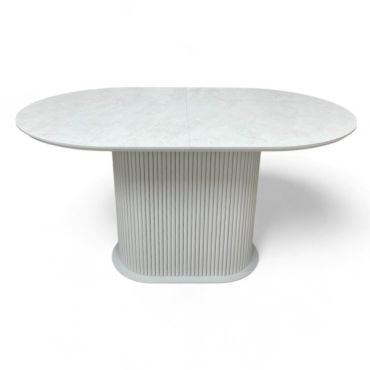
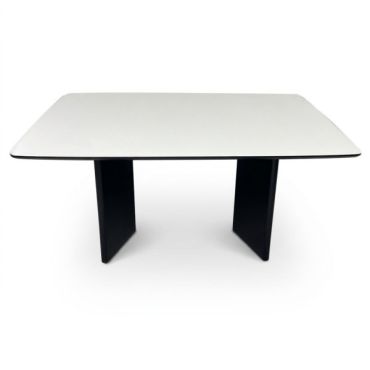
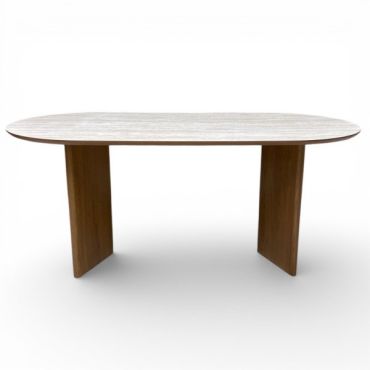
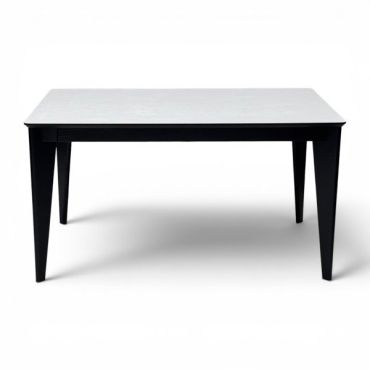

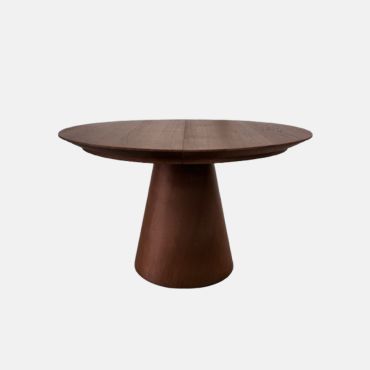
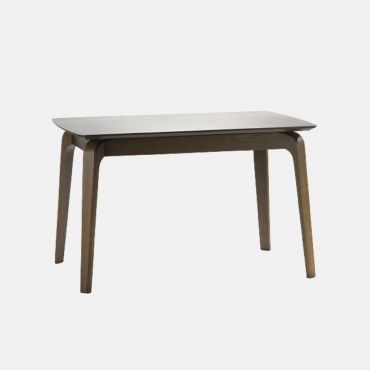
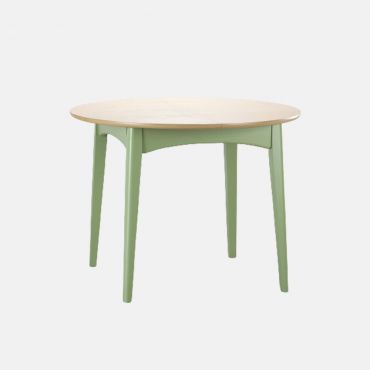
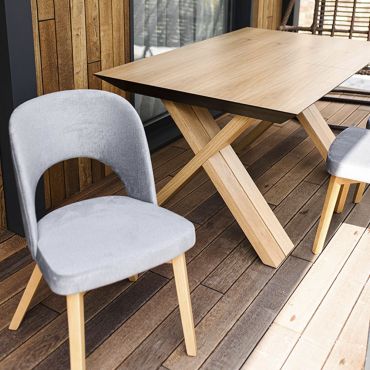
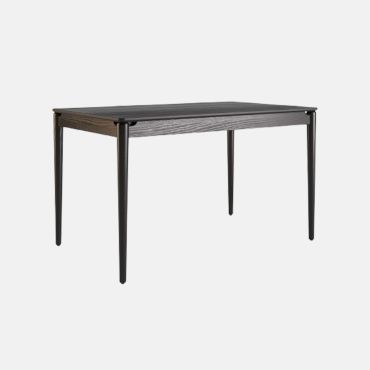
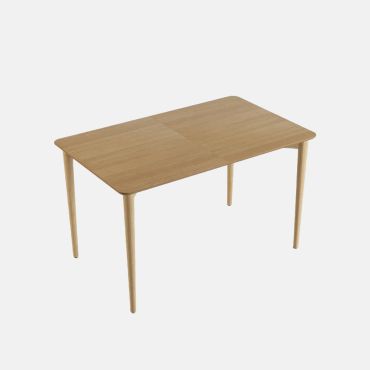
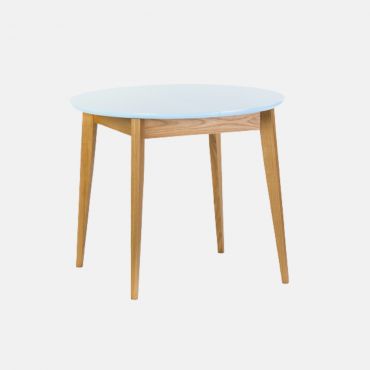


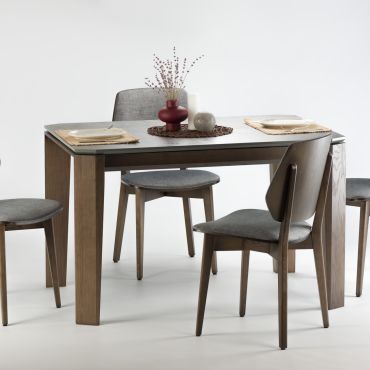
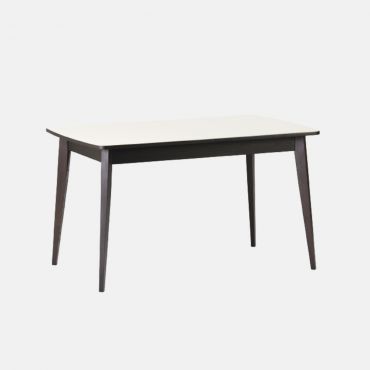
Extendable Tables for Homes Where Space Needs to Stay Flexible
Extendable tables are not only for rooms where space is limited. They are for homes that live in different rhythms: breakfast for two in the kitchen, a family dinner in the evening, a weekend gathering with friends, or a calm weekday surface for a laptop and papers. A well-chosen extendable table does not force you to choose between compactness and comfort. It gives you both scenarios: a neat everyday format and a larger tabletop when more people need to sit down together.
At MAIIMO, we recommend seeing extendable tables not as a compromise, but as a mature interior solution. If you plan to buy an extendable table, do not look only at its length when closed and open. The mechanism, stability, support structure, tabletop shape, material, chair clearance, distance to walls, lighting, kitchen island, or walkway all matter. These are the details that decide whether the table will feel convenient after one month, one year, and several seasons of active use.
When an Extendable Table Works Better Than a Fixed Table
A large fixed table is beautiful when the room can genuinely support it. But in many modern apartments, space needs to work more flexibly. The kitchen becomes part of the dining area, the dining area blends into the living room, and one zone can shift roles throughout the day. In this kind of layout, extendable tables give more freedom: they do not take up unnecessary space every day, yet they quickly adapt when more guests arrive.
This format is especially useful in interiors where visual lightness matters. A compact extendable table does not block circulation, overload a small kitchen, or make the center of the room feel permanently occupied. When the tabletop expands, the room should still feel intentional. If the model is chosen by style, proportion, and material, it remains part of the composition rather than looking like a temporary object brought out only when needed.
For the Kitchen, Dining Area, or Living Room: Choosing the Right Scenario
The first step is to understand where the table will stand most of the time. An extendable kitchen table usually needs to be more compact, easy to clean, and comfortable for daily breakfasts and dinners. Here, beauty matters, but practicality matters just as much: can you pull out a chair easily, do the legs get in the way, is there enough room near the refrigerator, walkway, or worktop?
For a separate dining room, you can choose a more expressive model. A longer table, noble wood texture, veneer, HPL, glass, or a combined metal base can all work well. Extendable dining tables in a dining room can become the central object around which lighting, chairs, textiles, and decorative details are arranged.
If you need an extendable table for living room use, proportions deserve extra care. In a living room, the table is often visible from several angles: from the sofa, from the hallway, near a window, or beside lighting. The model should look good both closed and extended. Clean lines, high-quality hardware, a pleasant tabletop texture, and visually balanced supports matter even more here.
How to Choose an Extendable Table by Mechanism
The mechanism is the heart of an extendable table. It defines how easily the table increases in size, whether the surface remains level, whether it stays stable when extended, and whether one person can use it comfortably. Before buying, imagine the real-life scenario: how often you will change the size, who will do it, and how much room there is around the table for movement.
High-quality extendable tables should not feel like complicated equipment. A good mechanism works intuitively: the movement is smooth, the parts do not catch, and the additional section settles into place without misalignment. If a table requires too much force or creates doubt every time, people quickly stop using it as a flexible object. It either stays permanently extended or remains compact even when more seats are needed.
Sliding Mechanisms, Inserts, and Tabletop Extension
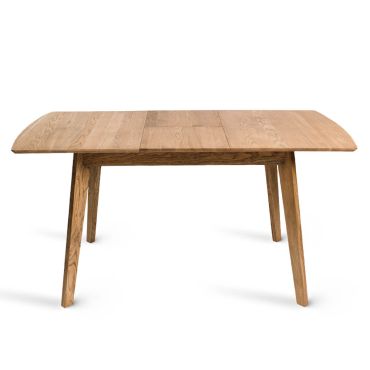
One of the most convenient formats for the home is a sliding extendable table, where the tabletop increases with a central or side insert. This is a practical solution for a dining area: when closed, the table looks concise; when extended, it adds seats for two, four, or more guests. The seams should be clean, and the surface should not create an obvious height difference after extension.
Another important point is where the additional insert is stored. In some models, it is integrated inside the construction; in others, it needs separate storage. For everyday use, integrated storage is often more convenient: there are fewer loose elements to lose or store elsewhere. If you want to buy an extendable table for an apartment, this is worth clarifying before ordering.
What to Check Before Buying: Stability, Hardware, and Length Reserve
Stability always matters, but it matters even more for an extendable format. The table must remain confident when the tabletop is enlarged. Check where the supports are positioned, whether they interfere with legs, whether the extended part has enough support, and whether the table will feel stable when six or eight people sit around it.
Hardware is the second question. Quality extendable tables can be felt, not just seen: the mechanism moves smoothly, the parts fit tightly, there is no harsh metal sound, looseness, or tension. The third factor is length reserve. Avoid a table that touches the wall or blocks the whole walkway when extended. Leave enough air around the tabletop so people can sit down, stand up, and move naturally.
Table Shape: Round, Oval, or Rectangular
Shape defines not only how a table looks, but how people behave around it. A rectangular format suits linear layouts, long rooms, and larger families. A round table creates softer communication because everyone can see one another. An oval shape combines both ideas: it provides more seating while avoiding sharp corners.
When choosing an extendable table, the shape should answer the room, not an abstract trend. A narrow kitchen may not support a round tabletop, while a square dining area may benefit from rounded geometry. If the interior has many straight lines, a round or oval table can soften the composition. If the space already feels soft and fluid, a rectangular tabletop can add structure.
Round Extendable Tables for Smaller Rooms
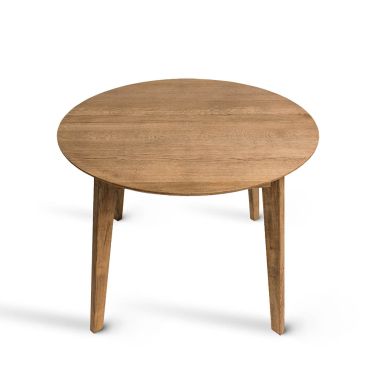
Round extendable tables work well where movement around furniture needs to stay easy. In the closed position, a round table has no sharp corners, which makes it convenient in a kitchen or smaller dining area. It feels visually softer and friendlier, and it divides the room less aggressively.
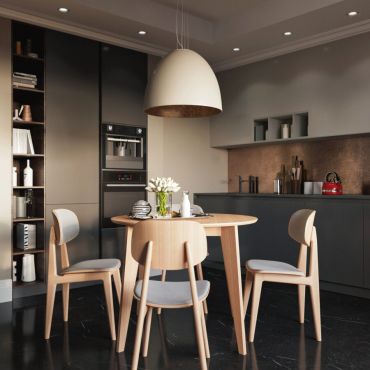
When more surface is needed, a round extendable table often becomes oval. This works well for hosting: you gain extra seating, but the composition remains smooth. Such a table pairs naturally with upholstered chairs, a pendant light above the center, and warm natural materials.
Rectangular Extendable Tables for Families and Guests
A rectangular format is the most familiar solution for larger dining zones. It works well along a wall, beside a kitchen island, in a long dining room, or in an open living area. Extendable dining tables with a rectangular shape scale easily: closed, they serve daily life; extended, they make room for a larger gathering.
With rectangular models, width is just as important as length. If the tabletop is too narrow, plates, glasses, serving dishes, and decor become difficult to arrange. If it is too wide, conversation across the table may feel less natural. The best choice depends on the room, but the principle is simple: an extendable dining table should feel comfortable in depth as well as length.
Size: Compact Every Day, Larger for Gatherings
It is better to calculate table size in two states. The first is everyday use. How many people sit at the table most often? Two, three, four? The second is the extended state. How many guests do you realistically host several times a month or on holidays? If the answers differ, extendable tables are more logical than a permanently large table.
For four people, a compact model is often enough and will not overload the room. For six, consider more length and comfortable seating at the ends. For eight, you need not only extra tabletop space but also room around it. If the table extends to a large format, check that there is still space for chairs, circulation, cabinet doors, and movement near the kitchen area.
Compact extendable tables should not feel fragile. Compactness does not mean weakness. In fact, the smaller the model, the more precise its geometry should be: supports, balance, height, mechanism, and tabletop edge. In good design, a smaller table does not look accidental. It looks like a complete center for daily life, simply without unnecessary mass.
Materials: Wood, Veneer, HPL, Glass, Metal, and Combined Solutions
Material defines the character of the table. Wood brings warmth, depth, and natural texture. Veneer offers the look of real wood in a more stable construction. HPL is practical for active everyday use, handles daily loads well, and can have a calm modern surface. Glass gives a lighter visual effect, but requires more careful maintenance. Metal in the base adds graphic clarity and strength.
Wooden extendable tables are especially suitable for interiors that need warmth and durability. They pair beautifully with upholstered chairs, ceramics, linen, and natural light. A wooden model can be quiet and minimal or expressive, with a visible tabletop texture. The key is choosing the right finish for your way of using the table.
Glass models create a lighter impression, but they require a different approach to care. They can work well in modern interiors with plenty of light, metal, and clean lines. For a family that uses the table actively every day, however, wood, veneer, or HPL is often more practical.
Combined solutions are interesting because they balance appearance and function. A wood or veneer tabletop can sit on a metal base, while a calm HPL surface can be softened with warm chair textures. These extendable tables are easy to integrate into a modern interior when too many materials are not competing at once.
Extendable Dining Tables in a MAIIMO Interior
At MAIIMO, we see a table as an object that organizes the life of a room. It does not simply stand in the center. It sets a scenario: how people sit, communicate, move, where light appears, and how the room feels in the morning and evening. That is why extendable dining tables should be both functional and aesthetically precise.
For a minimalist interior, clean shapes, a calm tabletop, and slim or geometric supports work well. For a Scandinavian mood, consider light wood, softer silhouettes, natural textiles, and warm light. For a contemporary space, graphic metal elements, deeper wood tones, and expressive chairs can feel right. In every case, the extendable table should support the style rather than argue with it.
It is also important to think about how the table looks when closed. Most of the time, it will be in that state. If the compact version looks proportional, refined, and complete, the table will not seem temporary. If the beauty appears only when the table is extended, the object may feel less convincing in everyday life.
How to Pair the Table with Chairs, Lighting, and Decor
Chairs need to match not only the style, but also the seating geometry: seat height, width, armrests, and the distance between table supports. If the chairs do not slide under the tabletop or touch the base, even a beautiful set will feel uncomfortable. Lighting should also consider both sizes, closed and extended, so a pendant or group of pendants remains visually logical.
Decor should stay restrained. An extendable kitchen table is often used actively, so too many objects quickly become inconvenient. One vase, a ceramic bowl, or a textile detail can support the style without overloading the surface.
Why Buy an Extendable Table from MAIIMO
MAIIMO works with Ukrainian manufacturers, local workshops, and designer brands for whom furniture is an object with thoughtful construction, materials, and proportions. When you plan to buy extendable tables, it is important to see not only the price, but also the origin of the piece, the quality of the mechanism, the possibility of individual selection, and how well the table matches your home.
In the MAIIMO catalog, you can choose an extendable table for the kitchen, dining area, or living room and coordinate it with chairs, lighting, and decor. We recommend looking at the object as part of a whole: how it behaves in the room, whether it is convenient in daily life, and whether it will still feel appropriate in several years.
Common Mistakes When Choosing an Extendable Table
The most common mistake is choosing the table only by its extended size. A person sees that six or eight guests can sit around it and forgets to check how the object behaves every day. But most extendable tables remain closed most of the time. In that state, they must be convenient, proportional, easy to move around, and visually balanced beside the chairs.
The second mistake is not calculating the space around the table. A table may physically fit into a room, but that does not mean it will be comfortable to use. If you want to buy an extendable table, measure not only the tabletop, but the whole scenario: table plus chairs plus people, with room to move behind them.
The third mistake is underestimating the support structure. If a support falls into the knee area, guests will sit awkwardly. If a central base is too bulky, it may interfere with chairs. Good extendable tables are also chosen by material balance: appearance, touch, maintenance, and everyday durability should work together.
Checklist Before You Buy an Extendable Table
Before ordering, answer a few simple questions. How many people use the table every day? How many sit at it when it is extended? Where will the chairs stay when the table is compact? Is there enough room for circulation? Does the support fall into an uncomfortable place? Does the tabletop height match the chosen chairs?
If you are choosing extendable tables for kitchen use, add practical questions: is the surface easy to wipe, can it handle cups, plates, a laptop, and daily serving? If you are choosing extendable dining tables for a dining room, think about atmosphere: the table should have enough presence for a central role and still work with chairs, lighting, ceramics, and textiles.
If you need a compact extendable dining table for a smaller apartment, look carefully at the tabletop edge, thickness, leg silhouette, and visual weight. A lighter form helps the room breathe, but it should still feel stable. Also check production time, delivery, and options for choosing material or color before ordering.
How to Know Whether the Table Truly Fits Your Interior
A good table does not always need to be the loudest object in the room. Sometimes its strength is in the way it calmly gathers other things around itself: chairs, lighting, dishes, textiles, daily rituals. Extendable tables are especially sensitive to this balance because they change size. If the object looks harmonious in both states, that is already a strong sign.
Imagine the table in several situations: morning coffee, a family dinner, a laptop during the day, and an extended tabletop set for guests. If in all these scenarios the extendable table looks natural, the model has a good chance of becoming a long-term solution. Color and touch should also be checked in context, because wood, metal, HPL, glass, and upholstery all change depending on nearby materials.
For MAIIMO, a good choice is when function does not defeat beauty, and beauty does not interfere with function. That is what makes extendable tables organic in a modern home: they do not demand unnecessary attention, but they prove their value every day.
Price and Long-Term Value of an Extendable Table
Price should not be evaluated separately from quality, but together with how long the table will remain convenient and relevant. If the mechanism quickly loses smoothness, the surface is difficult to maintain, or the shape does not suit the room, the saving becomes conditional. Quality extendable tables last longer, age more calmly in the interior, and do not make you return to the same decision after one or two seasons.
When comparing costs, look at what is included: tabletop material, finish type, hardware, support stability, production complexity, and the possibility of individual selection. So the question is not only where to buy extendable tables, but which table will work in your home every day and still feel right when guests arrive.
10 FAQ
How do you choose an extendable table for a kitchen?
For a kitchen, choose an extendable table that is convenient in the closed position every day and does not block circulation when extended. First measure the place where the table will stand most of the time, then separately check the extended size together with the chairs.
An extendable kitchen table should be practical: a stable surface, a clear mechanism, supports that do not interfere with legs, and a material that is easy to maintain. For a smaller kitchen, a clean shape without unnecessary mass usually works best.
Which extendable table mechanism is the most convenient?
The most convenient mechanism is the one you will actually use. A good extendable table opens smoothly, without excessive force, and the tabletop remains level and stable after extension.
For the home, a sliding extendable table with a central or integrated insert is often convenient. Before buying, check where the extra section is stored, whether there is any looseness, and whether one person can change the tabletop size easily.
What is the difference between an extendable table and a sliding table?
In everyday language, the terms are often close. An extendable table is a broader term for tables that change size. A sliding table usually means a construction where parts of the tabletop slide apart and an insert is added inside or separately.
For the buyer, the mechanism matters more than the label. If you want to buy an extendable table, check how it behaves in both states: whether it is stable, whether the seam is neat, and whether everyone has enough room to sit comfortably.
What size extendable table do you need for 4, 6, or 8 people?
For four people, a compact model is often enough, but extendable tables should be evaluated with some reserve. If you host guests regularly, the table should comfortably increase to at least six seats.
For six or eight people, length is not the only factor. Tabletop width, support position, and room around the table matter too. An extendable dining table should leave space for chairs, circulation, and movement; otherwise, the larger format will not feel comfortable.
Which materials are most practical for an extendable table?
Practicality depends on the scenario. For active daily use, quality veneer, HPL, durable wood with the right finish, or combined materials work well. Wooden extendable tables add warmth, but they need thoughtful care.
If you want a lighter visual effect, glass can work, but for family use it is worth considering how often the surface will need cleaning. At MAIIMO, we recommend choosing material for your real daily rhythm, not only for how it looks in an interior photo.
Are extendable tables suitable for a living room?
Yes, extendable tables can work well in a living room if the space combines a seating area and dining function. In that case, the table should look good when closed, because that is how it will stay most of the time.
For a living room, proportions, materials, and connection with chairs, lighting, rug, and other furniture are especially important. An extendable table for living room use should not look random; it should support the whole composition.
When should you choose a round extendable table?
A round format is suitable where soft geometry and easy movement around furniture matter. Round extendable tables work well in smaller dining areas because they have no sharp corners and create a more intimate atmosphere.
When extended, a round extendable table often becomes oval, so check the larger size before buying. If comfortable circulation and chair placement remain possible after extension, it can be an excellent choice for the home.
Is an extendable dining table worth it for a small apartment?
Yes, if you need a compact daily format and the ability to add seating for guests. A compact extendable dining table lets you avoid keeping a large tabletop in the room all the time, while still having extra space when needed.
For a smaller interior, compact extendable tables with thoughtful supports and a light silhouette are especially important. They should not feel fragile or accidental: compactness needs to work together with stability.
How do you care for a wooden extendable table?
Wooden extendable tables are best wiped with a soft damp cloth, while water, hot dishes, and aggressive cleaners should not be left on the surface. For daily use, coasters, placemats, and gentle care products are helpful.
If the wooden extendable table is made with veneer or solid wood, keep normal humidity in the room and avoid placing it too close to heat sources. This helps the surface preserve its texture, color, and stability for longer.
Where can you buy an extendable table in Ukraine?
You can buy an extendable table in Ukraine at MAIIMO if you need a designer solution for a kitchen, dining area, or living room. The catalog includes models from Ukrainian manufacturers and brands working with quality materials and thoughtful construction.
If you plan to buy extendable tables for a specific interior, evaluate not only the price, but also size, mechanism, material, compatibility with chairs, and lighting. This way the table will be not just functional, but truly yours.
If an extendable format isn't for you, browse the full dining tables catalogue — fixed round, oval and rectangular models from Ukrainian makers.