Shelving Units
Lets store things beautifully
Designer shelving units help organise books, decor and everyday items without making a room feel crowded. MAIIMO brings together open, modular and combined shelving units from Ukrainian brands for living rooms, bedrooms, home offices and room zoning.
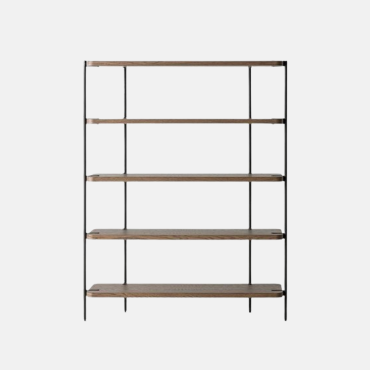


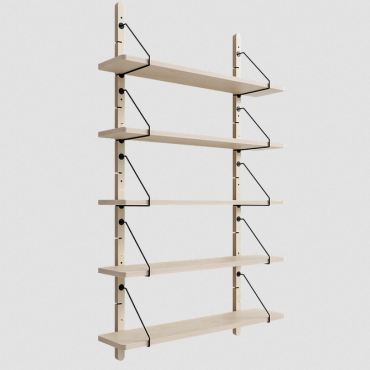
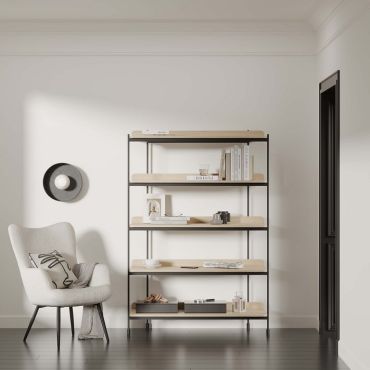
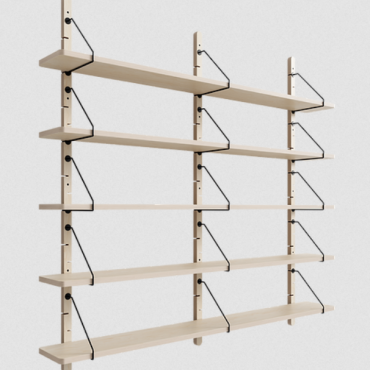
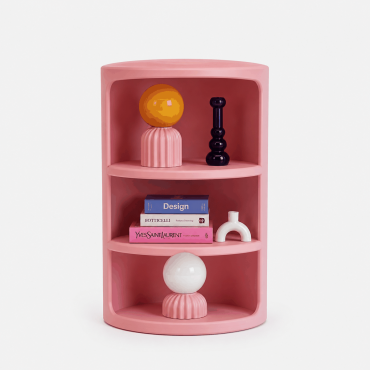
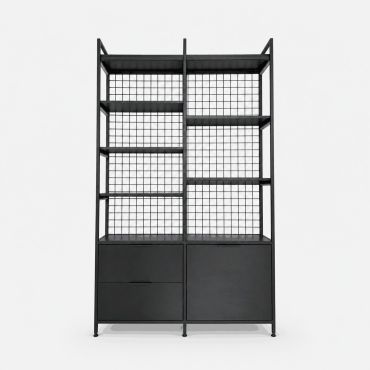
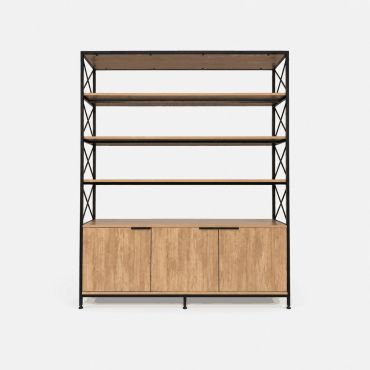
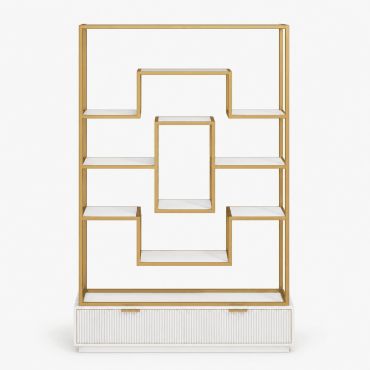
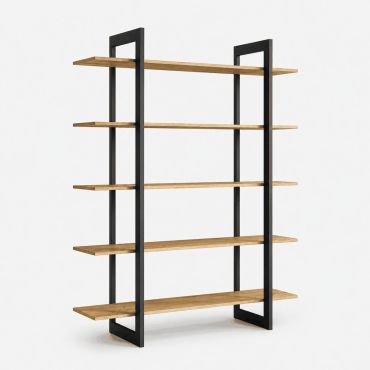
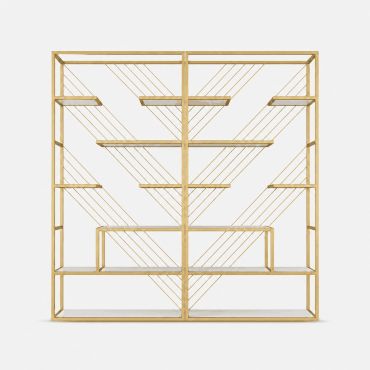
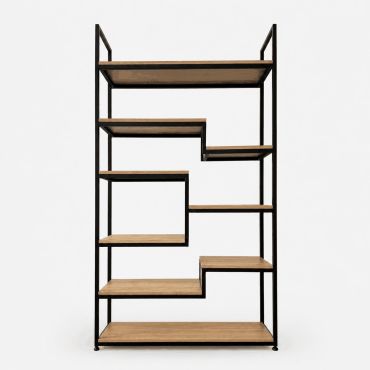
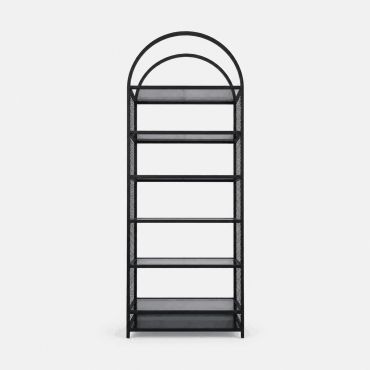
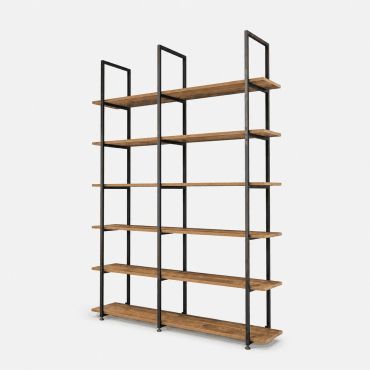
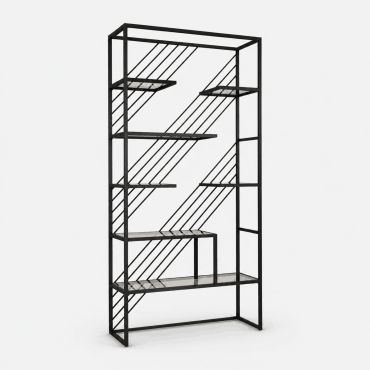
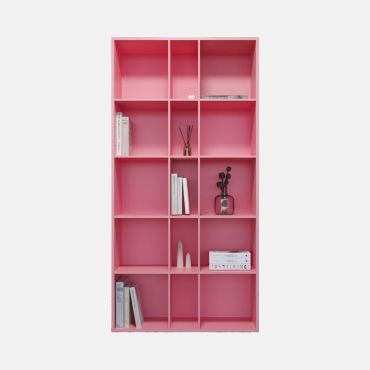
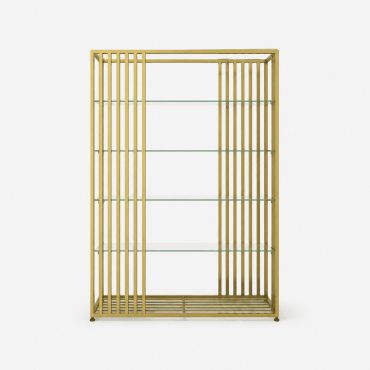
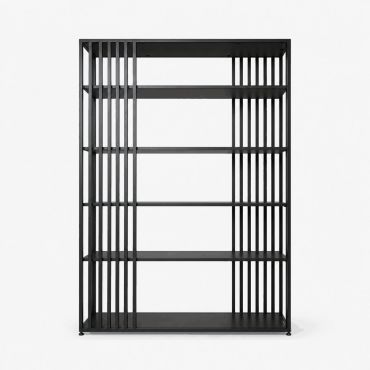


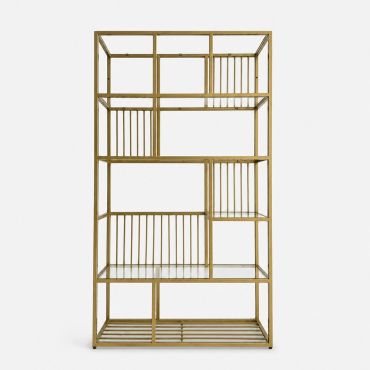


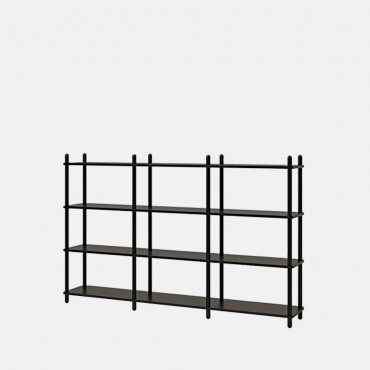
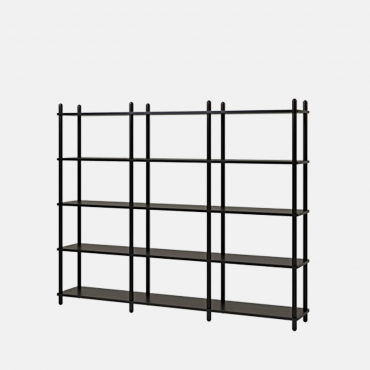
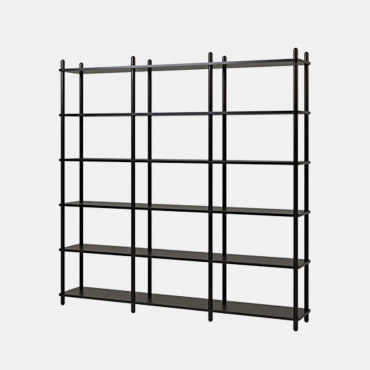
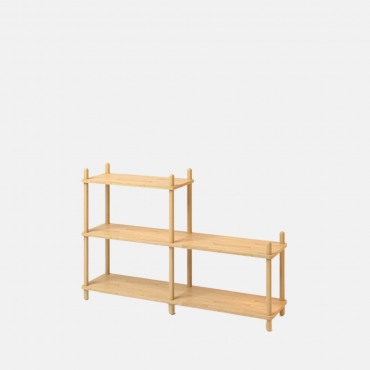
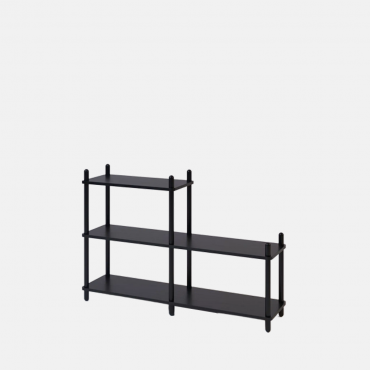
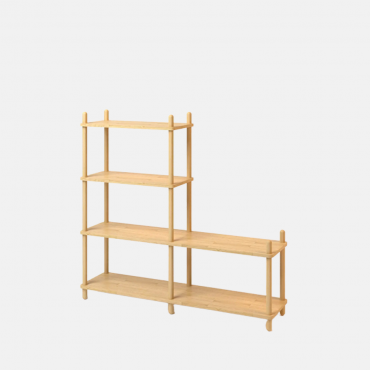
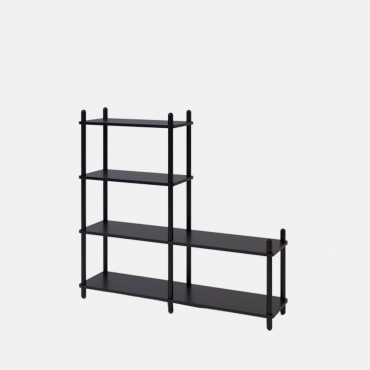
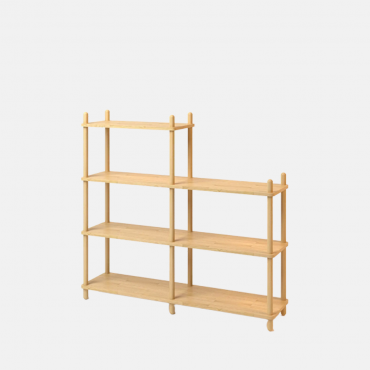
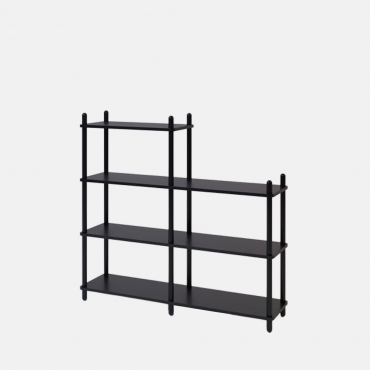
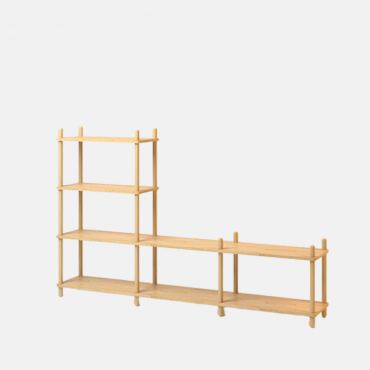
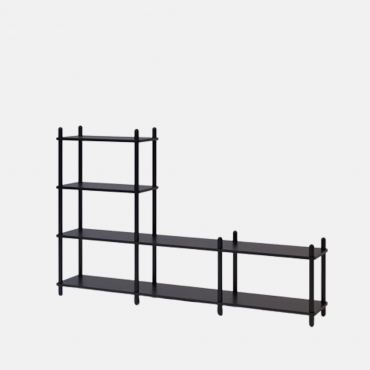
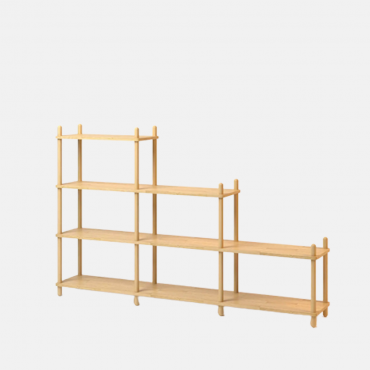
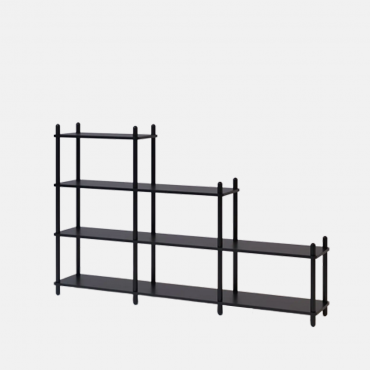
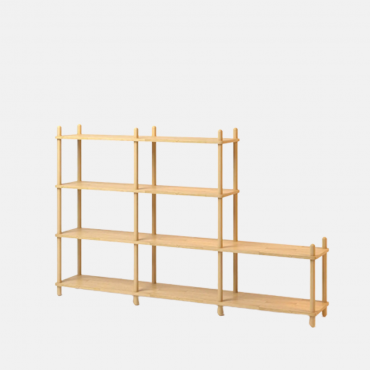
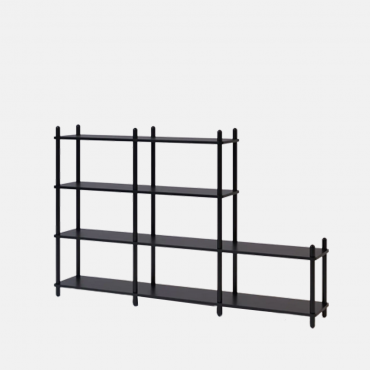
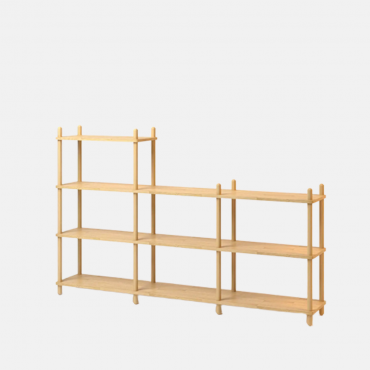
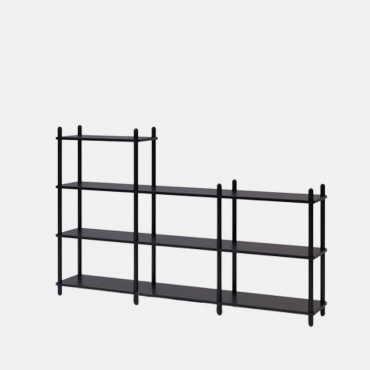
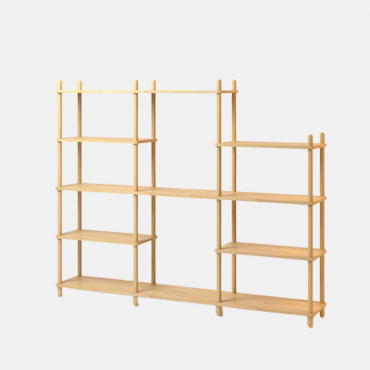
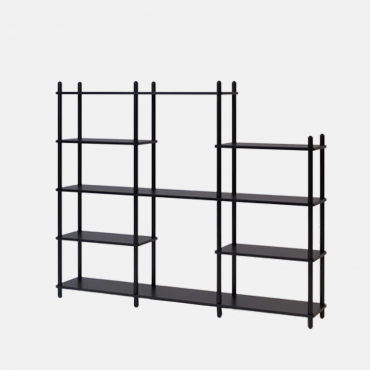

Shelving units: how to choose a model for books, decor and room zoning
A shelving unit keeps the life of a home in view: bookmarked novels, ceramics brought back from a trip, records and the pool of light from a table lamp. Well-chosen shelving units create order without turning the wall into a heavy block of cabinetry. They also give the room rhythm.
A light silhouette still needs careful planning. Shelving units for the home vary in depth, shelf spacing, stability, load capacity and anchoring method. We recommend starting with use: what you need to store, how much wall space is available and whether the unit must also divide the room.
This guide covers book shelving units, display models, open structures and designs with closed storage. We explain which proportions work in a small room, how to assess materials and why a tall, narrow unit needs particular attention to safety.
Types of shelving units for the home
The category shelving units for the home covers several distinct formats. Some work as a library, others as a light display for art, while designs with drawers take on part of a chest's closed-storage role. Construction affects both appearance and how easy the unit is to keep organised.
Open and combined shelving units
An open shelving unit allows light through and leaves part of the wall visible, so even a large model can feel light. It works well for books, vases, small paintings and objects you want to see every day. The trade-off is simple: open shelves need a considered arrangement and regular dusting.
If some things are better out of sight, choose a shelving unit with drawers or doors in its lower section. Closed modules hold documents, chargers, board games and household odds and ends, while the upper shelves stay visually quiet. This balance works especially well in a multipurpose living room.
Modular shelving units
A modular shelving unit consists of sections selected for a wall, ceiling height or particular collection. Its main advantage is the ability to grow with the space. It might begin as a low arrangement beside a desk and later become a home library.
Before ordering, confirm that the modular shelving unit can accept extra sections after installation and that different sizes remain compatible. Connections should sit quietly within the overall rhythm, while the frame distributes weight through its supports. Visual freedom still needs clear engineering behind it.
Room divider shelving units
A room divider shelving unit marks a boundary without building a solid wall. It can separate a workspace from the seating area, a bed from the living room or a dining zone from a passage. Open bays let light travel through, so the room does not split into dark compartments.
This role requires a room divider shelving unit finished to look good from both sides. Check the rear surfaces, fixings, cable routes and visible joints. A model designed only for a wall may reveal an unfinished technical side when placed in the middle of a room.
Safety matters more than the visual effect. Tall room divider shelving units need the fixing method specified by the maker, whether that means anchoring to a wall, floor, ceiling or adjoining structure. Do not rely on the weight of books for stability, especially in homes with children or pets.
How to choose a book shelving unit
A good book shelving unit starts with your library, not a universal number. Regular novels, large albums, magazines, and folders all come in different heights and depths. Measure the tallest and deepest editions, as well as the approximate length of the book row you plan to place at once.
Shelf depth, height and spacing
For most standard books, a depth of about 22–30 cm is a useful starting point; large art books may need 30–35 cm or more. This is guidance, not a universal rule. Check each book shelving unit against the real dimensions of your books and the model's technical specifications.
Span width affects deflection. A long shelf without central support may bow under a dense row of books. For a book shelving unit, check the material, shelf thickness, grain direction where relevant, frame construction and the load stated by the manufacturer.
Load capacity, stability and anchoring
Books are heavier than they look. With book shelving units, shelf thickness in a photograph tells only part of the story. Ask for the permitted evenly distributed load on each level, the connection type and installation requirements. Without that information, do not fill long unsupported spans with heavy volumes.
A tall or narrow shelving unit should be anchored according to the manufacturer's instructions. Concrete, solid brick, hollow brick and plasterboard require different plugs or anchors. If the wall construction is uncertain, ask an experienced installer to assess it before drilling.
Materials: wood, metal and combined structures
A wooden shelving unit brings warmth and natural variation into a room. Solid timber, plywood, veneered board and painted sheet materials behave differently, so the word "wood" is not a specification. Ask about the substrate, finish, edge treatment and care requirements.
A metal shelving unit can use a slimmer frame and create a crisp graphic silhouette. It works well in open arrangements where visual lightness matters. Check the welds, overall geometry, surface protection and soft feet that will not scratch the floor.
Metal and timber create a useful contrast in designer shelving units: the frame sets the rhythm, while the shelves add warmth and tactility. Look closely at the points where the two materials meet. Loose joints, friction or poor tolerances tend to reveal themselves there first.
Colour changes the sense of scale. A dark display shelving unit gives colourful objects a strong outline, while a light model almost dissolves against a neutral wall. A saturated colour acts as a large accent, so the objects placed on it can stay calmer.
When choosing colour from a sample, view it in daylight and evening light. The same wooden shelving unit may appear warmer near a south-facing window and cooler under a neutral-white lamp. Compare the sample with the floor, wall and largest pieces of furniture, not with small decor.
Shelving units in different rooms
Location changes the function. The same shelving unit for the home may display a collection in the living room, organise work in a study and hold only a few essentials in the bedroom. Before buying, check circulation routes, sockets, doors, skirting boards and the direction of daylight.
In the living room and home library
In the living room, designer shelving units can support the main composition or become its centre. Beside the sofa, they work with books and local light; opposite the seating area, they form a background for art. Leave enough air around the silhouette so it does not compete with a television or large painting. The wider home decor collection can help complete the arrangement.
In the bedroom and home office
In the bedroom, open shelving units are best kept free of too many small objects; visual noise works against a restful atmosphere. Choose a few books, one or two boxes and objects with soft texture. For closed storage, add a chest of drawers instead of asking an open unit to do everything.
In a study, the book shelving unit should support the work surface. Keep frequently used folders within easy reach, archives higher or lower, and decor away from your working hand. When planning from scratch, position the desk first and use the remaining wall for storage.
In small rooms
A narrow shelving unit uses vertical space and occupies less floor area, but its tall form must remain stable. Measure the niche, skirting board, sockets and switches, then confirm that the assembled piece can reach the room. A few centimetres of installation clearance often matter more than one extra shelf.
In a small room, an open shelving unit usually feels lighter than a solid cabinet because the wall remains partly visible. That effect disappears when every bay is packed. Alternate rows of books with open areas and resist displaying the entire collection at once.
How to zone a room with a shelving unit
First decide whether the boundary needs full height. A low room divider shelving unit simply marks functional zones and preserves a shared view; a tall one adds privacy and storage. In a studio, shoulder height is often enough, though the right choice depends on the layout and daylight.
The contents of a two-sided structure should work from both directions. On open shelving units, face book spines towards each zone and mix them with objects that read well from either side. Avoid filling every bay with boxes, or the light divider will become an almost solid wall.
Do not place heavy objects on upper shelves beside a sofa or bed. Light books, textiles and small vases are safer on a room divider shelving unit, with sturdier objects kept low. Position anything fragile beyond shoulder reach from the passage.
In a difficult layout, assess the view from the entrance and from the main seat. A successful designer shelving unit frames the room's focal point instead of blocking it. If the unit already commands attention, keep its contents restrained so they do not compete with the silhouette.
Shelving units in different interior styles
Style is determined not by a decorative label, but by proportions, material and rhythm. Modern shelving units can be understated or sculptural, but should support the architecture of the room. We recommend looking at line thickness, color repetition, and the ratio of filled to empty sections.
Minimalism suits an open shelving unit with precise geometry, discreet connections and a limited palette. A Scandinavian room welcomes pale timber, soft white or a graphite frame. In both cases, keep fewer objects and choose each for its function or personal value.
In a loft interior, a metal shelving unit supports the industrial language, especially beside brick, concrete and generous light. It need not look rough: a slim dark frame creates a graphic effect without theatricality, while wooden shelves soften the metal. Well-placed designer lighting makes the open structure feel deeper.
Japandi favours low, quiet wooden shelving units, natural tones and visible space between objects. Surface quality matters here because there is little decoration to distract from it. Mid-century interiors can take warmer veneer, stronger verticals, asymmetric bays and a small amount of closed storage.
In an eclectic interior, a designer shelving unit can stand as an object in its own right: colourful, asymmetrical and set to an irregular shelf rhythm. Repeat its colour or material elsewhere to hold the room together. Arrange the remaining objects by shape rather than chance.
How to style a shelving unit with books and decor
Start with the largest visual masses. On book shelving units, place the main rows of books first, followed by boxes and larger objects; add small decor last. Beginning with tiny vases and souvenirs tends to make the arrangement fragmented and restless.
Not every shelf needs a centred arrangement. On display shelving units, offset balance often feels more alive: books on the left, a vase on the right and open space between them. Repeat one colour or material across several bays to guide the eye through the full height.
Empty space works as hard as decor. Fill roughly two-thirds of the surface, step back and view the open shelving unit as a whole. If one area feels too heavy, remove an object or move some books to a lower level.
What to check before buying a shelving unit
Start with accurate measurements. A shelving unit must account for width, height and depth as well as skirting boards, uneven walls, projecting window sills and door swings. Mark the outline with masking tape on the wall and floor; the real scale becomes clear before delivery.
Ask for a specification covering materials, loads and fixings. A designer shelving unit product page should state its dimensions and finish options; heavy books also require clear shelf-load data. Photography shows character, but it cannot replace technical information.
How to plan shelving size and capacity
A blank wall almost always seems larger than it actually is. To estimate the scale of the shelving unit for the home, mark its extreme points with masking tape and draw a depth line on the floor. Then follow the usual route from room to room. If you have to change pitch or go around a corner, the model is too big to pass.
Height changes the balance of a room. Tall shelving units emphasise the vertical and can make a ceiling feel higher, yet they may look disproportionate beside a low sofa or compact table. Compare the top line with doorways, curtain tracks, wardrobes and other strong horizontals.
Do not estimate capacity by eye. Line up the books, measure their total length and allow room for future additions. Count large albums, folders and boxes separately when planning a book shelving unit. This shows how many bays need extra height and how many can use regular shelf spacing.
If the collection changes quickly, adjustable shelves are more practical than a fixed grid. With a modular shelving unit, check whether levels can be moved after assembly and whether unused holes create a distracting technical pattern. A fixed rhythm may look stronger in an expressive designer piece, but it offers less flexibility.
Plan closed storage separately. If chargers, documents and small electronics have nowhere else to go, one open display shelving unit will not be enough. Choose a model with one or two closed modules rather than later filling open bays with mismatched organisers.
How to assess construction quality
Stability starts with geometry. On a level floor, the shelving unit should not wobble, and its verticals and horizontals should match the drawing. Adjustable feet can compensate for minor floor irregularities, but they cannot correct a twisted frame or weak joints.
With a demountable design, ask which connections can be tightened after several months of use. Well-made shelving units for the home allow for material movement, later levelling and access to fixings. A permanent joint can be equally reliable when it is accurately made and suited to the intended load.
Edges often reveal more than a front photograph. On wooden shelving units, they should feel smooth and have protection suited to the material. Painted surfaces should be free of runs around joints; metal should show no corrosion, sharp burrs or missed areas of finish.
Listen as well as look. If an empty metal shelving unit rattles or creaks at a light touch, loading may make the problem worse. Likely causes include play in a joint, unbuffered contact between materials or an uneven support. A quick test helps separate normal flex from instability.
Common mistakes when choosing a shelving unit
The first mistake is buying a shelving unit from one attractive front-facing photograph. In a real room, its side profile, depth and relationship with the skirting board all matter. Ask for an angled image or drawing, especially when the piece will stand away from the wall.
The second mistake is underestimating the contents. A shelf that looks light may not support a continuous row of art books. For a book shelving unit, always check the permitted load and do not treat a decorative display as a full library.
The third mistake is filling a display shelving unit completely on installation day. Let the arrangement settle for several days. One large object often works better than five small ones, and an empty bay can add more character than another incidental accessory.
The fourth mistake is to ignore fasteners due to a flat floor. Even a stable narrow shelving unit can tip over from a jerk, an open drawer, or a child trying to reach for an item. Follow the manufacturer's instructions and use fasteners that match the wall material.
Care and everyday use
For routine care of an open shelving unit, use a soft dry or slightly damp cloth unless the manufacturer says otherwise. Do not spray cleaner directly onto the surface; it may reach joints, books or unprotected edges.
Keep wooden shelving units away from prolonged direct sun, radiators and sharp changes in humidity. Wipe up water and drinks at once, and place hot objects on a mat. Renew oil or wax finishes only with a compatible product recommended by the manufacturer.
Avoid abrasive sponges on metal shelving units because they can scratch the finish. Check fixings and adjustable feet periodically, especially after moving the furniture. If a joint develops play, remove the contents before tightening it.
When repositioning the shelving unit for the home, do not drag it across the floor when it is filled. Remove the books and decor, disassemble the modules if necessary, and re-align and secure the structure after installation. This reduces the risk of damaging the joints, the coating and the floor itself.
When a designer or custom shelving unit makes sense
Designer shelving units make sense when furniture should play a visible architectural role instead of acting as neutral background. Author-led proportions, an unusual shelf rhythm, expressive colour or distinctive joinery can create a piece that works with very little on it.
A custom modular shelving unit suits a difficult niche, sloping attic, unusually long wall or collection of non-standard objects. Give the designer an accurate list of contents and loads. A wall-to-wall design without a clear storage plan often creates more empty compartments than useful capacity.
If you need only a light accent above a table or chest of drawers, a large floor-standing piece may be excessive. Individual wall shelves fit that role better. Shelving units occupy the floor, hold more and create an independent vertical element in the room.
The practical value of a well-made shelving unit
A well-made shelving unit for the home saves unnecessary movement rather than square metres. Books remain visible, boxes have a place and the right item is accessible without rearranging everything. When bay sizes match the contents, order is easier to maintain and the piece avoids becoming a storehouse for random objects.
Open storage encourages editing, but it should not demand a perfect picture every day. A shelving unit with drawers makes room for real life: everyday clutter disappears behind a front while open bays retain the composition. This mix often proves more practical than a completely open display.
Over time, modular shelving units can adapt to a move, a new collection or a change of room function. Modularity has value only if the maker continues to support the system and new sections remain compatible with earlier ones. Confirm this before buying if future expansion matters.
A well-designed designer shelving unit remains convincing as the decor changes. Sound proportions, material and construction do not rely on seasonal accessories. That is long-term practicality: the piece supports different arrangements as the home evolves.
Why buy shelving units at MAIIMO
At MAIIMO, we curate shelving units from Ukrainian brands and local studios that treat construction and proportion as seriously as appearance. The category brings together open, book, modular and combined designs without mixing them with commercial shopfitting.
We consider designer shelving units as part of the whole interior. Our team helps match dimensions to the wall, materials to nearby furniture and capacity to the objects you actually own. When furnishing a room from scratch, the broader selection of furniture for the home provides useful context.
Before ordering a book shelving unit, note the size of large books, expected load and installation method. The MAIIMO team can explain the specifications, check available materials and colours, and narrow the choice to models that suit your room rather than a reference image alone.
A good shelving unit for the home does not need to be filled for effect. It keeps order, leaves breathing room and sets the rhythm of a composition. Choose slowly, with measurements, a list of belongings and an honest sense of how much open storage you want to see every day. The result should feel calm, useful and easy to live with.
FAQ about shelving units
What types of shelving units work in the home?
Shelving units for the home may be open, modular, combined with drawers or doors, low, narrow or double-sided for zoning. The right format depends on the contents: books need strength and depth, decor needs well-proportioned bays, and room dividers need stability plus a finished appearance on both sides.
How is a shelving unit different from a bookcase or wall shelf?
A shelving unit differs from a bookcase mainly in its open structure and lighter visual volume, although it can have closed modules. It differs from a wall shelf in that it stands on the floor, forms a vertical body and usually holds more. Specific models should still be compared by design, not just name.
How do you choose a shelving unit for books?
To choose a book shelving unit, measure the largest books, the total length of the row and the expected load. A depth of 22–30 cm often suits standard books, while albums may need 30–35 cm or more. Check shelf spacing, span width, material and anchoring requirements.
What shelving depth works for books?
Book shelving depth depends on the library. A range of 22–30 cm suits many standard books, while large art books and folders may need 30–35 cm or more. Measure the deepest volume and compare it with the usable shelf depth rather than relying on the furniture's overall dimensions.
Which shelving material is more practical?
Shelving unit material should suit the load, care routine and character of the interior. Wood and veneer add warm natural texture; metal creates a slim graphic frame; combined designs bring both together. Finish quality, joints, shelf thickness and the possibility of repair also affect practicality.
Can an open shelving unit be used as a room divider?
An open room divider shelving unit keeps light and sightlines moving between zones, so it works well between a living room and study or sleeping area. Choose a double-sided model with a finished back and specified fixings. An ordinary wall-mounted design is not necessarily safe in the middle of a room.
Should a tall shelving unit be anchored to the wall?
A tall shelving unit should be anchored whenever the manufacturer requires it; narrow and lightweight models need particular care. Select fixings for the actual substrate, whether concrete, brick, plasterboard or another wall type. In homes with children or pets, never use the weight of books as a substitute for anchoring.
How do you combine books and decor on a shelving unit?
To combine books and decor on a shelving unit, place the main book rows first, then boxes and larger objects, and add small accents last. Alternate vertical rows with horizontal stacks, repeat one colour across different bays and leave part of the surface empty.
Which shelving unit works in a small room?
A shelving unit for a small room may be narrow and tall or low and long, depending on the available wall. An open structure and light colour often reduce visual weight. Check skirting boards, sockets and passages, then anchor any tall narrow model as instructed.
Where can you buy a designer shelving unit from a Ukrainian brand?
You can buy a designer shelving unit from a Ukrainian brand at MAIIMO. The category includes models for books, decor and zoning, and the team can compare dimensions, materials, colours and construction. Before ordering, prepare the measurements, a list of the main contents and a photograph of the room.