Multicolored Rugs


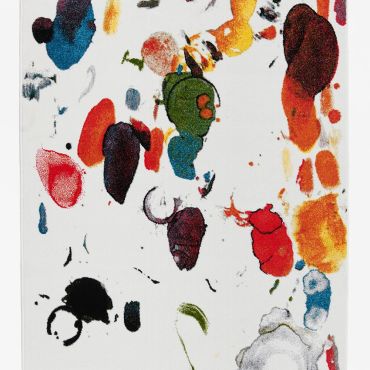

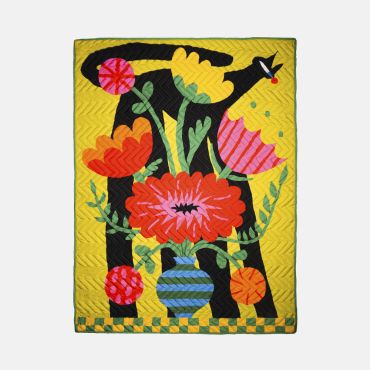

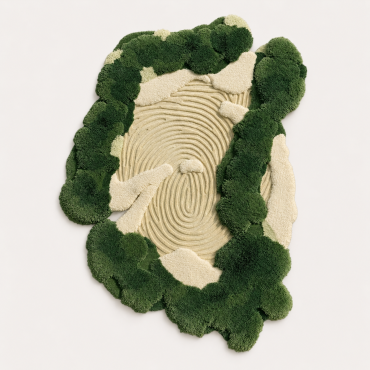
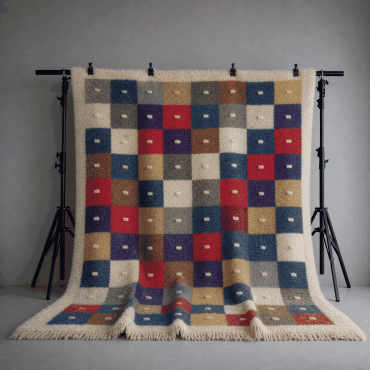
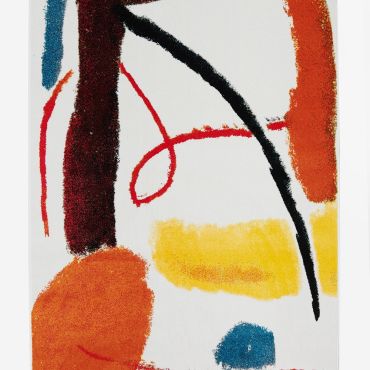
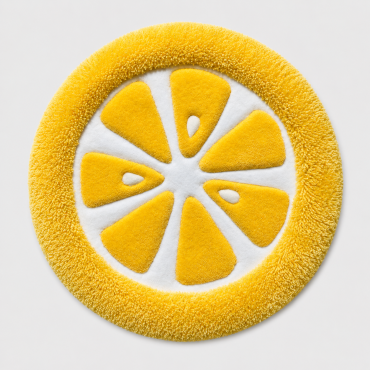
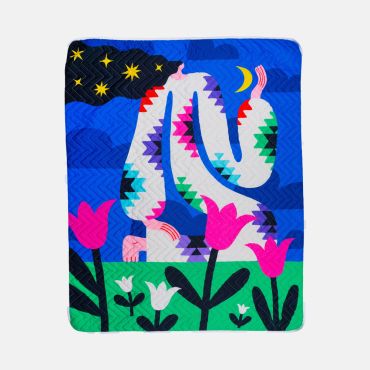
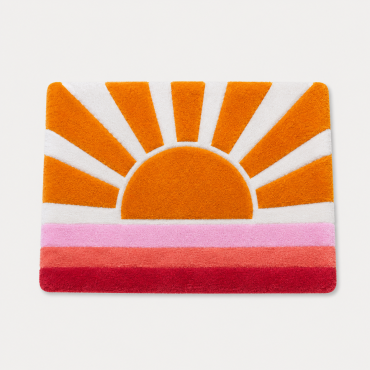








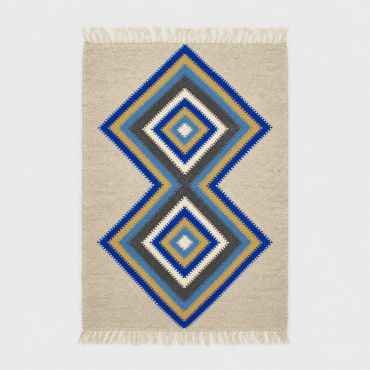
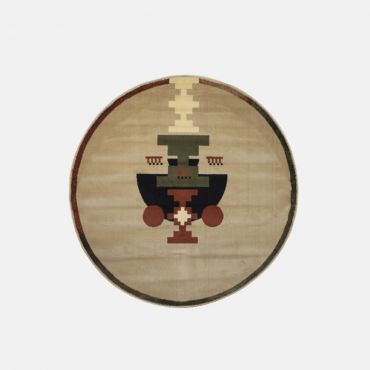
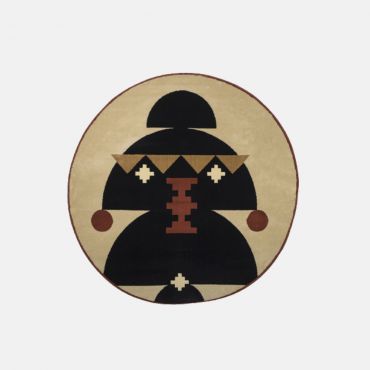
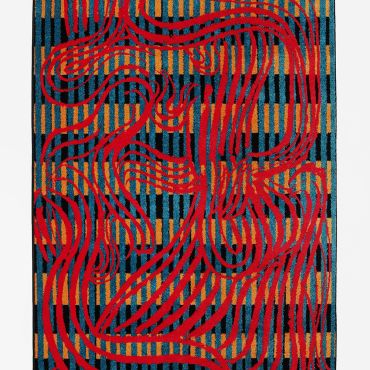


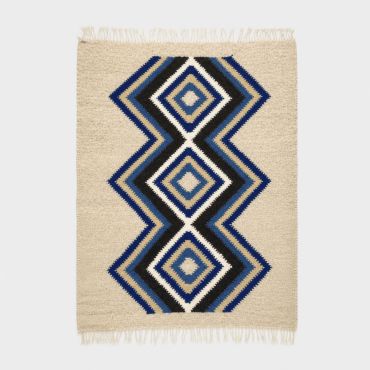
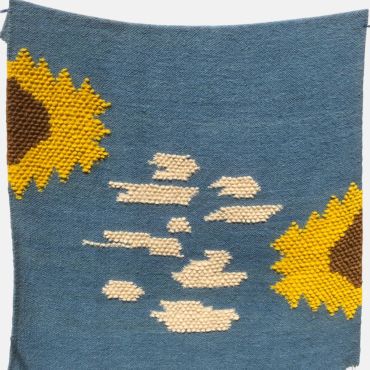
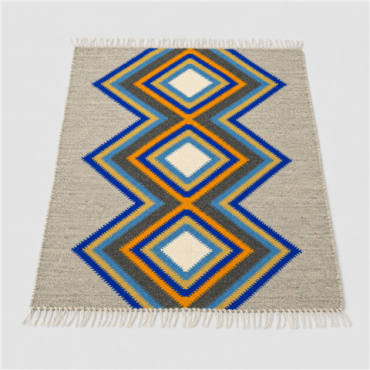
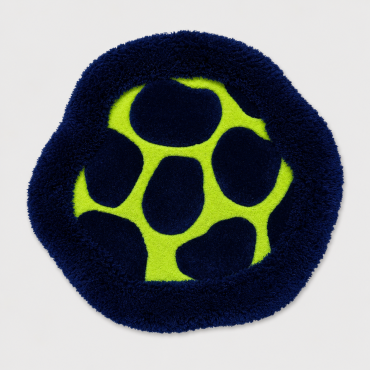



Multicolored Rugs: A Complete Guide to Integrating into a Modern Interior
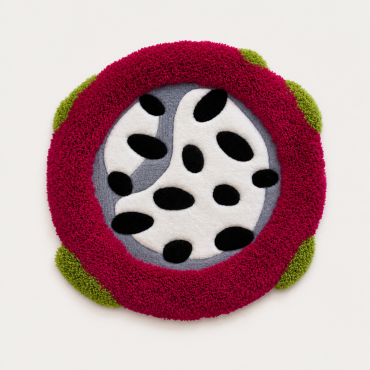
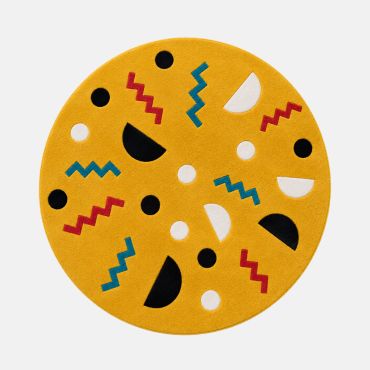
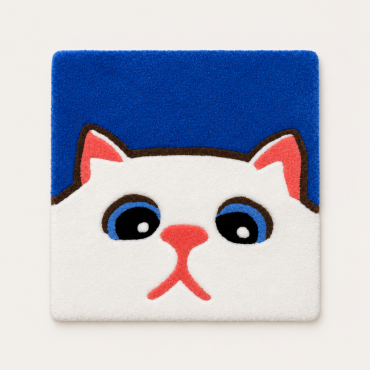
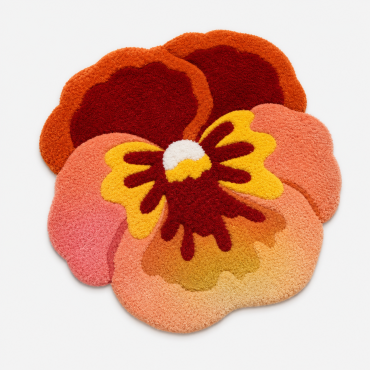
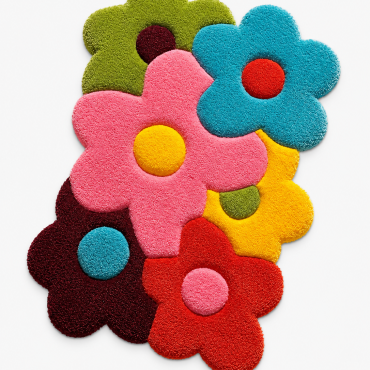
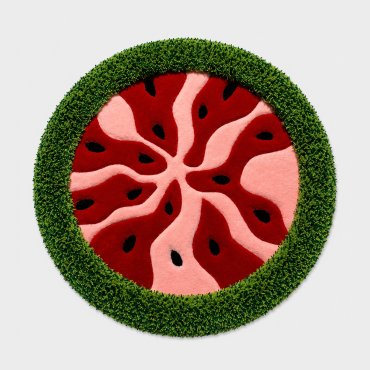
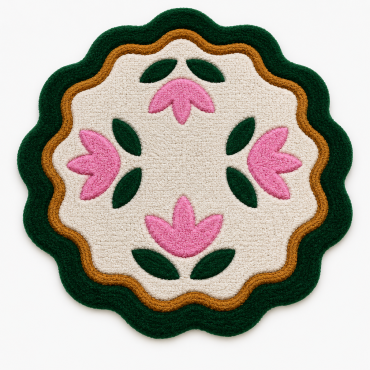
Multicolored rugs are a complex interior element. They can make a space deeper, warmer and more interesting. Or they can overload it and break the proportions. The difference lies in the selection process.
Most mistakes happen not because of color, but because of the lack of a system. People ignore room scale, lighting, style, dominant surfaces and functional scenarios.
In this guide, we will cover:
-
how to choose a multicolored rug correctly;
-
how color works in space;
-
how to integrate it into different interior styles;
-
how to combine it with furniture and textiles;
-
how to avoid shrinking the space visually;
-
how to maintain it;
-
and why it makes sense to buy multicolored rugs.
This is a structured guide. No fluff.
The Role of a Multicolored Rug in Interior Composition
Rug as a Focal Point
Modern interiors are based on neutral backgrounds: white, beige, gray walls. Large furniture pieces are often monochrome. In such spaces, multicolored rugs act as the compositional core.
They:
-
set the mood;
-
add depth;
-
connect furniture colors;
-
introduce texture.
If the rug is bold, other elements must support it — not compete.
Rug as a Zoning Tool
Open layouts require visual boundaries.
A multicolored rug can clearly define:
-
the sofa area;
-
the dining area;
-
a workspace;
-
a sleeping zone in a studio apartment.
Zoning without partitions feels lighter and more modern.
Rug as a Proportion Corrector
The right size can:
-
visually expand a room;
-
balance a long narrow space;
-
reduce the effect of an empty floor.
The wrong one creates chaos.
How to Choose a Multicolored Rug: Step-by-Step Algorithm
Step 1. Space Analysis
Answer 5 questions:
-
Room size?
-
Floor color?
-
Warm or cool lighting?
-
Existing bright accents?
-
Interior style?
Without this, multicolored rugs are chosen randomly.
Step 2. Size
Living room:
-
minimum — front legs of sofa on the rug;
-
ideally — entire seating group on the rug.
Bedroom:
-
50–70 cm extension around the bed;
-
or full perimeter underneath.
Dining room:
-
+60 cm beyond table edges.
Small rugs fragment space.
Step 3. Color Balance
A multicolored rug should:
-
either repeat one base color of the room;
-
or contrast in a controlled proportion.
Neutral interior — more color freedom.
Active interior — rug should balance.
Step 4. Pattern Scale
Small room + large contrast pattern = visual pressure.
Large rooms need medium or large scale.
Tiny busy patterns in big rooms look like noise.
Step 5. Material
Wool — warm, durable.
Cotton — lighter.
Synthetic — easy maintenance.
Kitchen/hallway — practical materials.
Bedroom — natural fibers.
Color Psychology in Multicolored Rugs
Warm tones create coziness.
Cool tones visually expand space.
Neutral base + accent colors is the safest strategy.
Multicolored Rugs in Different Interior Styles
Scandinavian — muted tones.
Minimalism — either bold single accent or restrained.
Loft — aged, complex shades.
Modern classic — traditional ornament.
Eclectic — 2–3 repeating colors.
Combining with Furniture
Neutral furniture — perfect base.
Bright sofa — rug must support, not compete.
Warm wood — warm tones. Cool wood — cool palette.
In Different Rooms
Living room — larger format.
Bedroom — controlled contrast.
Kids room — easy-care materials.
Home office — restrained palette.
Common Mistakes
-
No measurements.
-
Ignoring lighting.
-
Too small size.
-
Too many patterns.
-
Choosing only by photo.
Maintenance
Regular vacuuming.
Immediate stain removal.
Professional cleaning annually.
FAQ
Are multicolored rugs suitable for small apartments?
Yes, they are. The key is choosing the right pattern scale and base color. In smaller spaces, rugs with a light base and medium or small patterns work best. Large high-contrast designs can visually shrink the room.
Size also matters. A rug that is too small creates fragmentation. A properly sized rug visually unifies the space and makes it feel more structured.
Can a multicolored rug be combined with patterned wallpaper?
Yes, but one element should dominate. If the wallpaper is bold and detailed, the rug should be more restrained in pattern and contrast.
If the walls are neutral, a multicolored rug can act as the main accent. Ideally, one color from the rug should repeat in textiles or decor for balance.
How do I choose the right rug size for a living room?
At minimum, the front legs of the sofa and chairs should rest on the rug. This visually connects the furniture pieces.
Ideally, the entire seating area should sit on the rug. This works especially well in spacious living rooms.
What material is the most practical?
For high-traffic areas, synthetic or blended materials are more durable and easier to maintain.
For bedrooms or relaxation zones, wool or natural fibers provide warmth and comfort.
Can multicolored rugs be used on heated floors?
Yes, provided the material is compatible with underfloor heating systems. Most modern rugs are suitable, but checking manufacturer specifications is important.
Wool and quality synthetic fibers are generally safe options.
Are ethnic patterns still relevant?
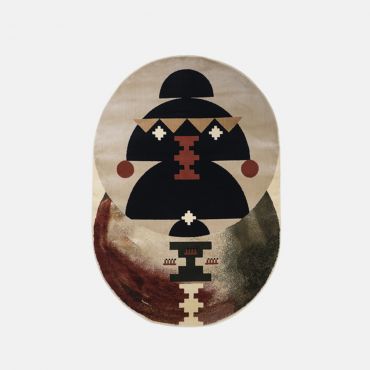
Yes, especially in modern reinterpretations. Today, muted tones and complex color combinations are preferred over extremely bright contrasts.
Ethnic designs work well in loft, Scandinavian, or eclectic interiors when supported by other design elements.
Can a multicolored rug make a room look smaller?
Yes, if it is very dark or has a large high-contrast pattern in a small space. This can visually compress the room.
To avoid this, choose rugs with lighter bases or balanced compositions.
Is a multicolored rug suitable for an office?
Yes, especially in neutral interiors. It adds personality without overwhelming the space.
Durable materials and restrained color palettes are recommended for professional environments.
Can multiple multicolored rugs be used in one space?
Yes, but they should share a common color or stylistic direction.
Without a unifying element, the space may feel chaotic. Consistency is key.
How should multicolored rugs be maintained?
Regular vacuuming prevents dust buildup inside the fibers.
Spills should be treated immediately by blotting gently. Professional cleaning once a year is recommended.