Дерев'яні столи


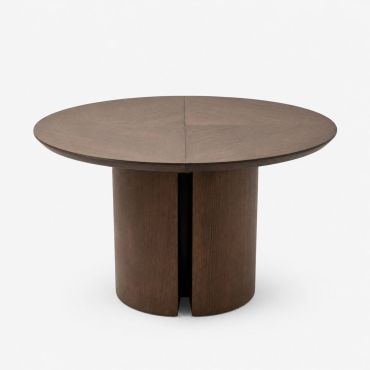

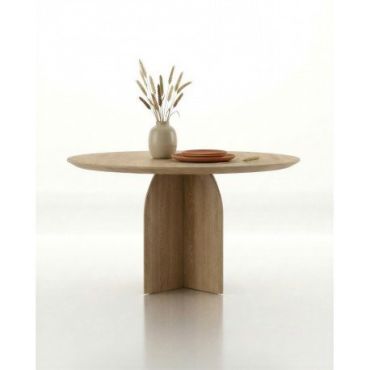
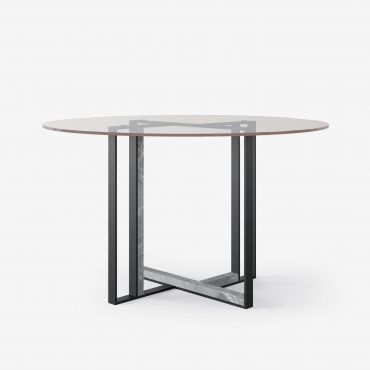
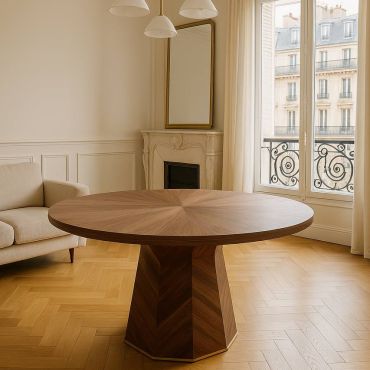


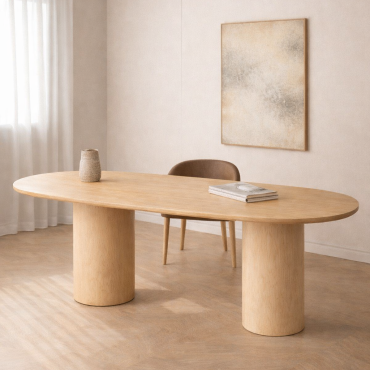


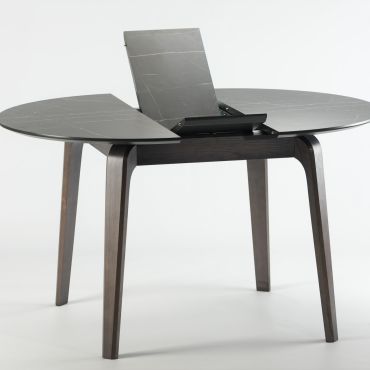
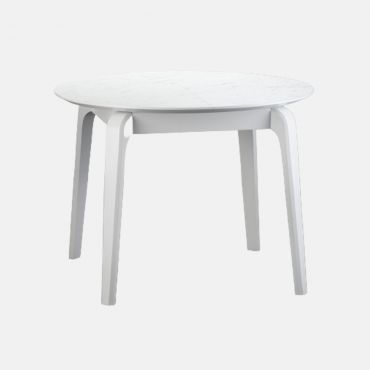

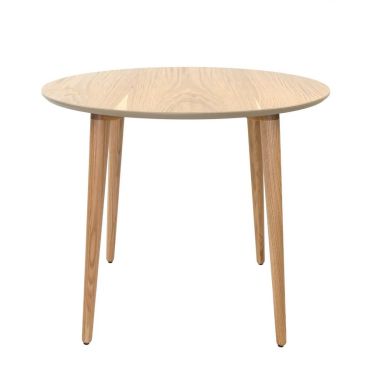
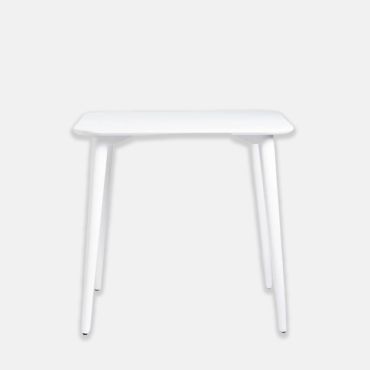


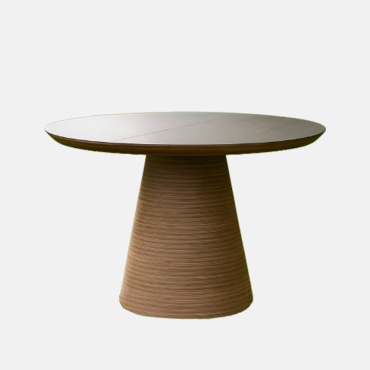
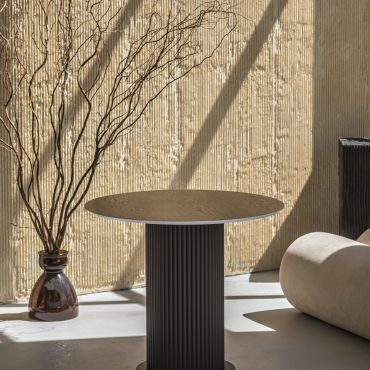
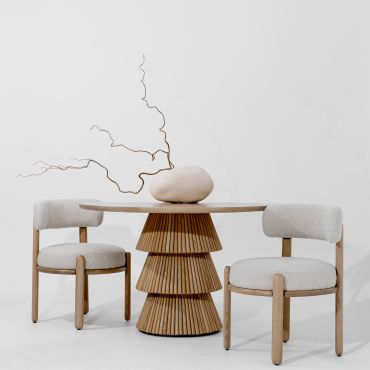
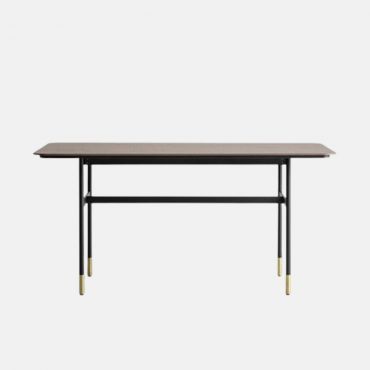
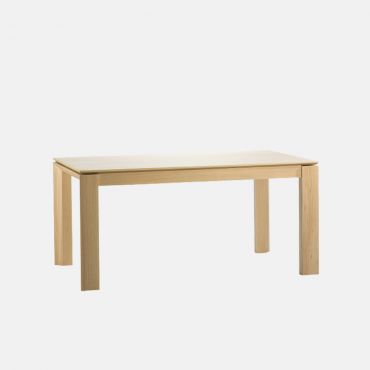
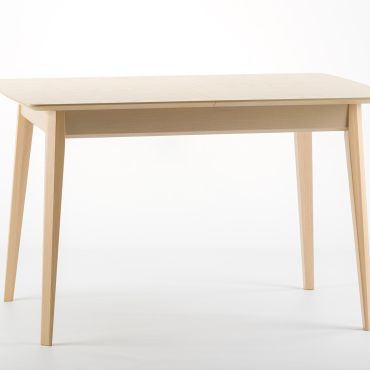
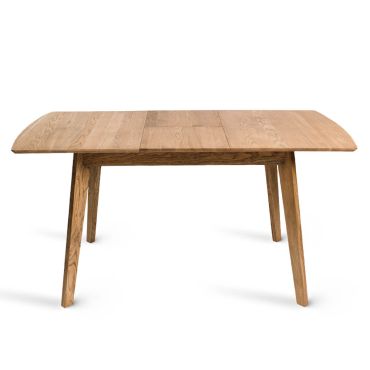
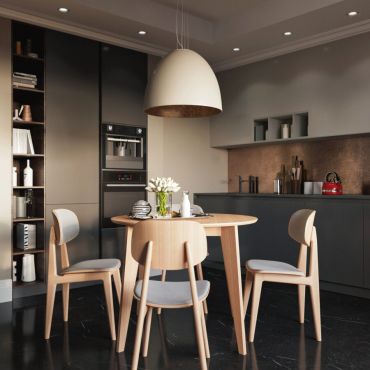

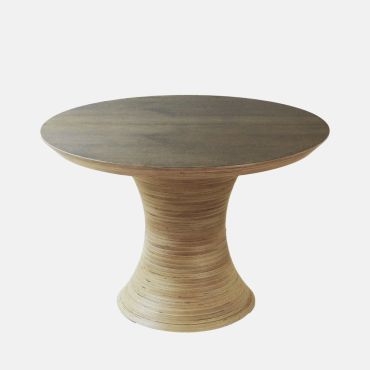
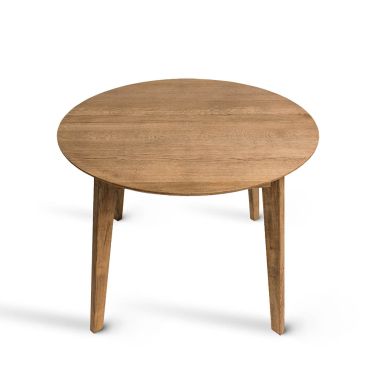
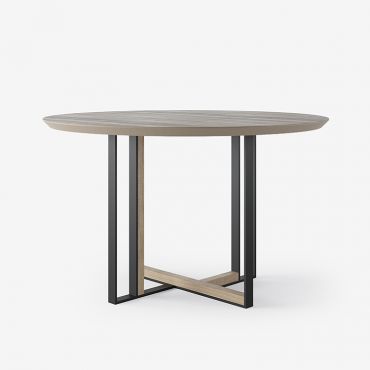



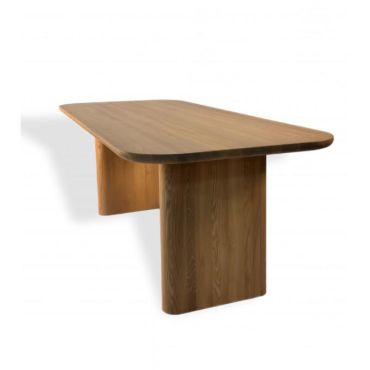
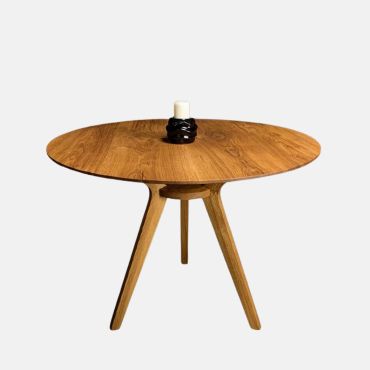
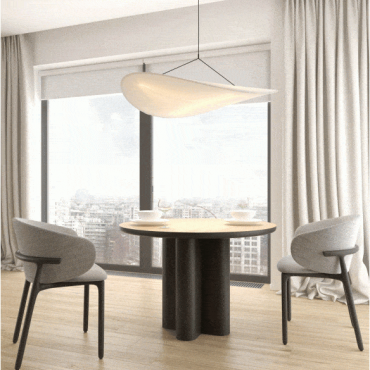
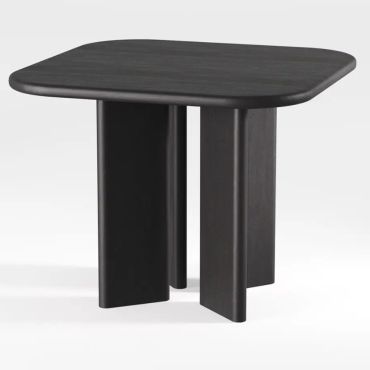
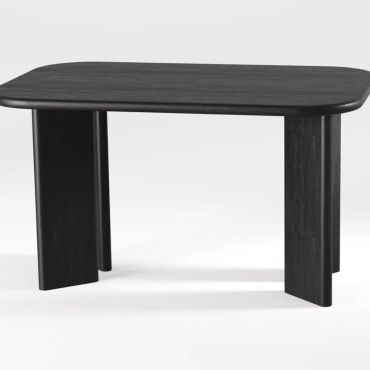
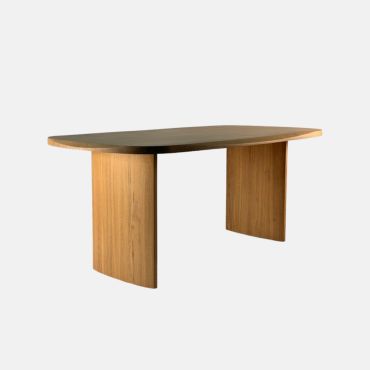
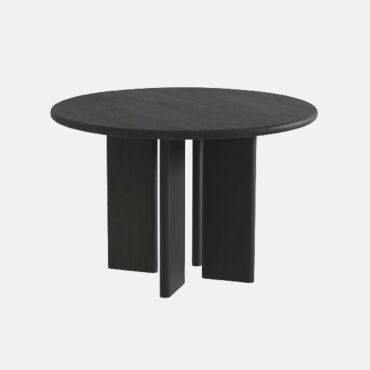

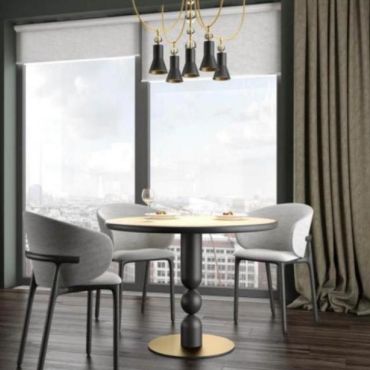
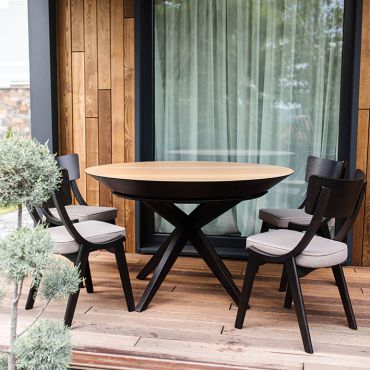
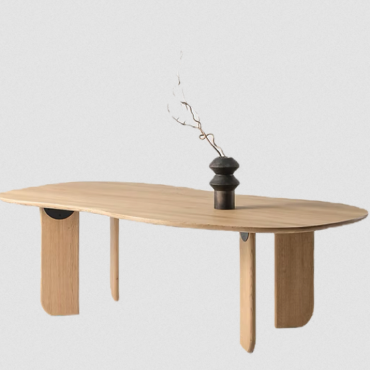
Wooden Tables For Homes Where Warmth, Texture And Longevity Matter
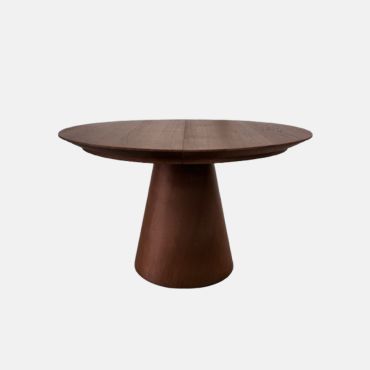
Wooden tables remain one of the most natural centers of a home. People have breakfast at them, work at them, gather guests around them, talk through the day, open a laptop, place flowers or set the table for a slow dinner. When someone wants to buy a wooden table, they are usually looking for more than a flat surface on legs. They are looking for an object that can hold everyday life and still keep its character after several seasons. That is why wooden tables work so well in contemporary interiors: they do not force a style, but they bring warmth, weight and the feeling of a real material into the room.
At MAIIMO, we see a wooden table as a long-term interior decision. Size and price matter, of course, but so do the wood species, the construction of the tabletop, the shape of the supports, the finish, the touch of the surface and the balance between craft and technical precision. A good wooden table should not feel like an accidental object in the room. It should support the architecture of the space, work with chairs, lighting and decor, leave enough room for movement and at the same time create a complete zone.
The category of wooden tables covers many scenarios: a kitchen, a dining room, a living room, a compact apartment, a spacious house, a home office or a meeting area. In this guide we collect practical points that help you choose a table consciously: by material, shape, size, style and everyday use. We do not reduce the choice to a beautiful image, because a table lives in an interior every day, not only in a photograph.
Why A Wooden Table Remains A Universal Center Of The Interior
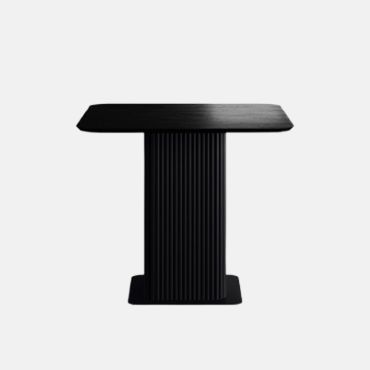
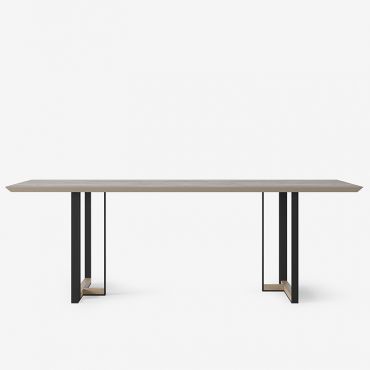
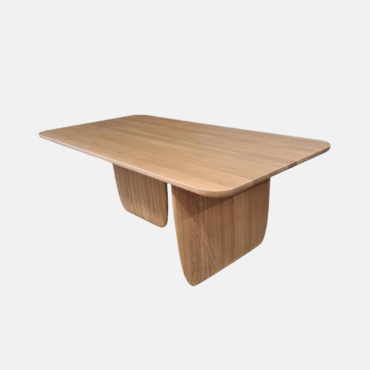
Wood has the ability to soften a space. Even a very restrained contemporary interior becomes warmer when natural texture appears in it. A table made of wood does not have to be heavy or traditional. Modern wooden tables can have a slim tabletop, light metal supports, a sculptural base, rounded edges, mixed materials or minimalist geometry. The material remains recognizable, but the form can be very modern.
A wooden table works easily across styles. In a Scandinavian interior it supports light tones, simplicity and naturalness. In minimalism it adds warmth to smooth surfaces and clean lines. In a contemporary space it can become an accent through the expressive grain of oak, ash or walnut. In a more eclectic interior, wood helps connect different objects, especially when the room already includes wooden panels, chairs, shelves or lighting.
Another reason wooden tables stay relevant is the way they age. Plastic often looks tired once scratches appear. Cheap laminated surfaces quickly reveal their age at the edges. Wood, when it is properly treated and normally cared for, gains depth. Traces of use do not always damage the object; they can add life to it. Of course, this does not mean that any wood is automatically practical. That is why construction, finish and the maker matter so much.
For The Kitchen, Dining Room Or Living Room: How The Choice Changes
Wooden tables for kitchen spaces need to withstand intensive daily use. Beauty matters, but so does practicality: resistance to moisture, easy cleaning, comfortable size and the absence of overly sharp corners in a small room. If the kitchen is compact, round or small rectangular models usually work better because they do not block movement. If the kitchen is connected to the living room, the table often becomes a boundary between zones, so its design has to support both daily and guest scenarios.
For a dining room, you can choose more boldly. Here the table often becomes the main object in the composition. Proportions, seating, distance to walls, compatibility with chairs and pendant lighting all matter. Large solid wood tables are appropriate when there is enough air around them. In a smaller room, a heavy tabletop can feel visually dense, so it is worth considering lighter constructions: a thinner profile, delicate supports, an oval shape or a veneer tabletop on a stable base.
Wooden tables for living room spaces can play different roles. If the room includes a dining zone, the table should be comfortable for dinners and gatherings. If it is an auxiliary table in a lounge area, shape, height and the relationship with the sofa, armchairs, rug and lighting become more important. In any case, we recommend looking not only at the object itself, but at the way it will work with the furniture around it.
How To Choose A Wooden Table By Material
Material defines not only the look of a table, but also its weight, price, stability, care and longevity. Search terms often include natural wood tables, solid wood tables, veneer tables, plywood models and mixed constructions with metal or stone. Understanding the difference between these options matters because it affects everyday use.
Natural wood is not one universal material. Oak, ash, walnut, beech and birch differ in density, grain, color and character. Some species look calm and even, while others have a strong visual pattern. Some are better for large tabletops, while others work well in lighter or more decorative constructions. The finish is just as important: lacquer, oil, wax and modern protective systems behave differently.
Solid Wood: Oak, Ash, Walnut And Other Species
Solid wood tables are often chosen for the feeling of a true material. Solid wood has weight, deep texture and natural variation from board to board. Oak is associated with strength, stability and classic durability. Ash often has a more active grain and a slightly lighter appearance. Walnut brings a deeper, warmer tone that works well in more intimate and refined interiors.
At the same time, solid wood requires proper making. The tabletop has to be stable, well dried and correctly joined. If a maker does not consider the natural movement of wood, the table may react poorly to changes in humidity and temperature. That is why wooden tables from manufacturer sources should be evaluated not only by photographs, but also by construction, details, warranty, workshop experience and honest material descriptions.
Solid wood is appropriate when you want a piece that can stay with you for years and you are ready to accept the nature of the material: slight tonal variation, living grain and the need for care. It is not a material for complete sterility. It is a material for a home where objects have character.
Veneer, Plywood And Mixed Materials In Contemporary Designer Tables
A veneer table is not a worse copy of solid wood. Quality veneer allows a table to have a natural wooden surface while keeping the construction lighter, more stable or more predictable. For large tabletops, this can be a very intelligent solution. Veneer gives the beauty of wood, while the base underneath is responsible for geometry and strength.
Plywood, especially high-quality birch plywood, is often used in contemporary Ukrainian design. It works well for clean forms, curves, slim profiles and models where lightness matters. Combined with veneer, color or an exposed edge, plywood can look honest and modern.
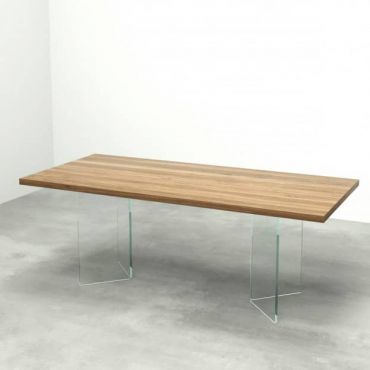
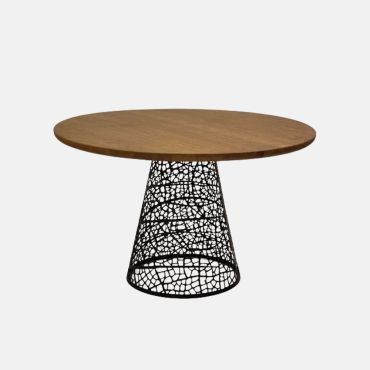
Mixed wooden tables combine a wooden tabletop with metal supports, stone details, glass or other materials. These models work well in contemporary interiors where the warmth of wood needs to be balanced by graphic structure. Metal legs make the silhouette lighter, stone adds a sense of permanence, and glass can visually reduce the weight of the composition.
If you're open to other materials alongside wood, explore the full dining tables catalogue — HPL, metal, epoxy and combined solutions.
Tabletop, Supports And Finish: What Affects Daily Comfort
When you plan to buy wooden table designs for real use, pay attention to three things: the tabletop, the supports and the finish. The tabletop defines touch and usable area. The supports determine whether people can sit comfortably on all sides, whether legs interfere with chairs and whether extra guests can be seated. The finish affects how the table handles water, hot dishes, children's drawings, accidental scratches and daily cleaning.
For kitchens and dining rooms, we recommend asking how resistant the surface is to stains and how it should be cleaned. For a living room, more delicate or expressive materials can be suitable if the table will not be exposed to moisture or hot dishes every day. For families with children, rounded corners, a stable construction and a finish that does not require nervous care are especially important.
Shape And Size Of A Wooden Table
The shape of a table influences how people behave in a space. A round table brings people closer, an oval table softens a long room, and a rectangular table works clearly and functionally. Size defines not only the number of seats, but also the comfort of movement around the table. Even the most beautiful wooden table will feel wrong if it is placed in a zone that is too tight.
Before buying, measure not only the spot for the table, but also the space for chairs. A person should be able to pull out a chair, sit down, stand up and walk past. If everyone has to constantly maneuver around the table, the interior will quickly become irritating. We recommend leaving a comfortable passage and not choosing the largest possible size simply because it technically fits on a plan.
Round Wooden Tables For Intimate Spaces
Round wooden tables work well in small kitchens, intimate dining rooms and soft seating zones. They have no sharp corners, look visually lighter and create equality between people at the table. A round form is especially appropriate where the room already has many straight lines: cabinets, a kitchen island, a sofa, walls and doorways. Such a table softens the geometry.
However, a round table does not always save space. For a larger number of people, it needs a significant diameter, and in very narrow rooms it may be less practical than a rectangular model. If you are choosing wooden tables for kitchen spaces, a round model is usually successful for two to four people or for a room where smooth movement matters.
Oval And Rectangular Tables For Family And Guests
An oval table combines the advantages of round and rectangular forms. It has a softer silhouette but allows more people to sit along the long axis. Oval wooden tables look good in a living room or dining room where you want to avoid excessive rigidity. They are also easier in circulation zones because corners do not project into the space.
A rectangular table is the most practical form for many families. It is easy to place along a wall, near a kitchen island or in the center of a dining room. It works well with chairs, benches and pendant lighting. If you need a table for daily use and regular guests, a rectangular form is often the safest choice.
How To Calculate Seating And Movement Around The Table
For one person at a table, around 55-60 cm of width is usually comfortable. For seating at the end of a rectangular table, consider not only the chair width but also the support design. A central base can give more freedom for legs but must be very stable. Four legs look familiar, yet they can sometimes interfere with additional seating.
If you are choosing wooden tables for living room use, think in scenarios: how many people sit there every day, how many guests visit on holidays, whether the table needs to support a laptop, children's activities or board games. A table that looks perfect in a photo still has to pass the test of real life.
Wooden Tables In A Contemporary Interior
A contemporary wooden table does not have to look rustic or heavy. On the contrary, Ukrainian makers increasingly work with clean lines, slim profiles, laconic bases and delicate details. In this form, wooden tables become natural parts of city apartments, minimalist houses, intimate restaurants or creative spaces.
It is important not to overload the interior with unrelated wood tones. If the floor, chairs, cabinets and table all have very different wood colors, the space may look accidental. At the same time, everything does not have to match exactly. A good interior is often built around related temperatures: warm oak with warm textiles, pale ash with neutral walls, dark walnut with deeper accents.
Minimalism, Scandinavian Style And Contemporary Interiors
In minimalism, a wooden table has to be precise. Proportions, a clean profile, neat joints and the absence of unnecessary decoration matter. This kind of table does not shout, but its quality is visible up close: in the grain, the edge, the stability of the construction and the way light falls on the surface.
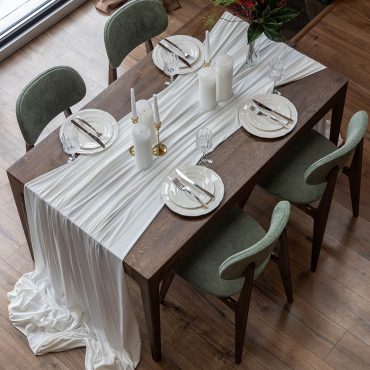
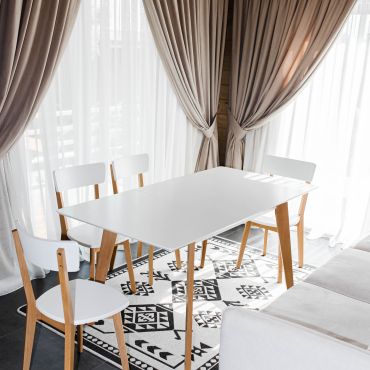
In Scandinavian interiors, light wood species, soft forms and natural textures work especially well. Wooden kitchen tables in such spaces are often combined with light chairs, linen textiles, ceramics and simple pendant lighting. They create calm rather than demonstrative luxury.
Contemporary interiors allow more contrast. Darker wood, sculptural supports, the combination of wood and metal, a stronger silhouette - all of these can work. A wooden table can become the main accent of the room, especially if the rest of the interior is restrained.
How To Combine A Wooden Table With Chairs, Lighting And Decor
A table rarely works on its own. Most often it is perceived together with chairs, a pendant lamp, a rug, tableware, vases and the wall behind it. If the table has an active grain, chairs can be calmer. If the tabletop is very laconic, the chairs or lighting can become more expressive.
A pendant light above the table helps gather the composition. It should hang low enough to create intimacy, but not so low that it blocks eye contact. For a long rectangular table, a linear lamp or several pendants often work best. For a round table, one central accent is usually enough. At MAIIMO, you can select not only wooden tables, but also chairs, lighting, decor and rugs so the whole area feels complete.
Why Buy A Wooden Table At MAIIMO
At MAIIMO, we curate furniture, lighting and decor by Ukrainian designers and makers who work not only with form, but also with material. For the category of wooden tables, this is especially important. Wood requires experience: it has to be dried, processed, joined, protected and presented in honest design. We value objects where you can see thoughtful construction rather than random styling.
When you want to buy wooden table designs, MAIIMO lets you look not only at a ready-made model, but also at possible adaptation. Some makers work with sizes, shades, materials, finishes or custom orders. This matters when a standard table does not fit your layout or when the object has to align precisely with an already formed interior.
We also recommend looking at a table as part of a wider interior solution. Chairs, lighting, rugs, decor and adjacent furniture can be selected together with it. This approach reduces the risk of random purchases. An interior feels calmer when objects speak to one another through materials, proportions and color.
Ukrainian Makers, Own Collections And Custom Solutions
Wooden tables from manufacturer sources have an advantage: you can better understand the materials, construction, production time and options for changing size or color. Ukrainian workshops are often more flexible than large mass brands. They can work more carefully with details, local materials, hand finishing and small series.
At MAIIMO, we see that buyers increasingly look not just for a "table by price", but for an object with origin. They want to know who made it, what it is made of and how it will look several years later. This is where natural wood tables have a strong advantage: they do not hide their nature, but make it part of the design.
If you need wooden tables for a specific room, we suggest starting with simple questions: where will the table stand, how many people will use it, how often do you host guests, do you need a highly durable surface, and what wood tone already exists in the interior. The answers quickly narrow the choice and help you avoid getting lost among models.
What To Check Before Buying A Wooden Table
Before you finally choose a wooden table, it is useful to view it not only as a beautiful object but as part of daily life. A photo can show texture, shape and mood, but it does not always answer practical questions. Is there enough room for chairs? Will the supports interfere with legs? Does the tabletop height work with your chairs? Can the table be positioned so cabinet doors and passages remain comfortable?
We suggest a simple check: mark the table dimensions on the floor with painter's tape or at least imagine the boundaries clearly. This is especially helpful when choosing wooden tables for kitchen areas or compact living rooms. In a showroom or photo, a table can look small, while at home it may suddenly block movement. In a large room, the opposite can happen: a table that is too small may feel temporary and lost.
Height is also worth checking. Most dining tables have a standard height, but even a few centimeters can affect comfort if chairs have thick cushions, armrests or unusual proportions. If you buy the table and chairs separately, check whether the chairs slide under the tabletop, whether the armrests fit and whether there is enough space for knees.
FAQ
How Do You Choose A Wooden Table For A Kitchen?
For a kitchen, choose a wooden table by three criteria: size, finish and shape. If the space is small, consider round or compact rectangular models. If the kitchen is connected to a dining area, you can choose a larger table that becomes the center of the zone.
Wooden tables for kitchen areas should be practical. Ask what the tabletop is finished with, how it reacts to moisture, whether hot dishes need a trivet and how the surface should be cleaned. For everyday life, choose a model that is not only beautiful but predictable in care.
Which Wooden Table Works Best In A Living Room?
For a living room, composition matters. If the table stands in a dining area, it should work with lighting, chairs, a rug and the overall style of the room. Wooden tables for living room spaces can be round, oval or rectangular; the best form depends on layout and seating.
If the living room is small, avoid an overly massive base. If the space is large, you can choose a more expressive tabletop, darker wood or sculptural supports. In any case, wooden tables should leave enough room for movement around them.
What Is The Difference Between Solid Wood Tables And Veneer Tables?
Solid wood tables are made from real timber or solid wooden elements. They have natural weight, deep texture and can last for many years when the wood is properly prepared. Solid wood is good for those who want a material object with presence.
Veneer wooden tables have a thin layer of natural wood over a stable base. This keeps the beauty of wood while making the construction lighter or more stable. Quality veneer is a valid design solution, not just a visual compromise.
Which Wood Is Better For A Table: Oak, Ash Or Walnut?
Oak is often chosen for strength, recognizable grain and durability. Ash has a lighter, more active pattern and works well in airy contemporary interiors. Walnut looks deeper and warmer, so it suits more intimate and refined spaces.
When you plan to buy a wooden table, do not choose the wood species only by name. Look at the tone, finish, construction, tabletop thickness and the way the wood relates to other materials in the room.
How Should You Care For A Wooden Table?
Care depends on the finish. The general rule is simple: do not leave water on the surface, use trivets for hot dishes, clean the table with a soft cloth and avoid aggressive chemicals unless the maker recommends them. A wooden table appreciates regular but calm care.
If the table is oil-finished, it can often be renewed over time. If it is lacquered, the protective layer should not be damaged. For solid wood tables, it is best to ask the maker how to care for the specific model.
Where Can You Buy A Wooden Table From Ukrainian Makers?
You can buy wooden table designs from Ukrainian makers at MAIIMO. The category includes contemporary models for kitchens, dining rooms and living spaces, as well as pieces by local brands and workshops. Some models may offer options in material, size or color.
MAIIMO is useful because it lets you view the table within the wider interior context. Together with wooden tables, you can select chairs, lighting, decor and adjacent furniture.
Which Shape Of Wooden Table Should You Choose?
A round table works well for small spaces and intimate conversations. An oval table softens the interior and allows more seating. A rectangular table is the most practical option for families, guests and clear layouts. Shape should depend on the room, not on trend alone.
Round wooden tables often look lighter and safer in circulation zones. Rectangular wooden tables work better in long rooms or near a wall. Oval tables are a good balance between softness and capacity.
Are Wooden Tables Suitable For Contemporary Interiors?
Yes, wooden tables are very suitable for contemporary interiors when the form and proportions fit the space. A modern wooden table can be minimalist, slim, graphic, supported by metal legs or made with a calm veneer tabletop.
Wood does not make an interior old-fashioned. On the contrary, it adds warmth where there are many smooth surfaces, glass, metal or neutral colors. The key is to choose a model without unnecessary decoration if you want a modern look.
How Much Does A Wooden Table Cost?
The price depends on material, size, construction, brand, production complexity and custom options. Solid wood tables usually cost more than simpler veneer or mixed-material models, but they also vary widely in price.
If you are comparing wooden tables price, look not only at the number, but at the material, tabletop thickness, support quality, finish, warranty and maker. A cheaper table may be less economical in the long run if it quickly loses its appearance.
Can A Wooden Table Be Ordered In Custom Sizes?
Many Ukrainian makers can adapt a model: another size, wood tone, finish, support shape or material. This is especially useful when standard wooden tables do not fit your layout.
At MAIIMO, you can clarify the options for a specific model. If you need a wooden table for a non-standard kitchen, narrow dining area or large living room, custom parameters can give a much better result than a compromised ready-made size.