Writing desks for kids





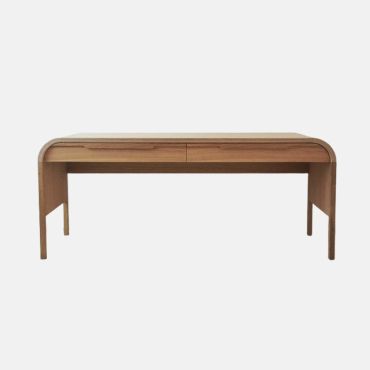
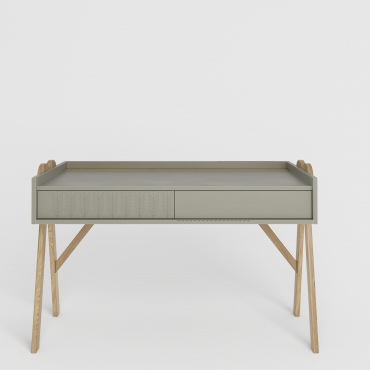
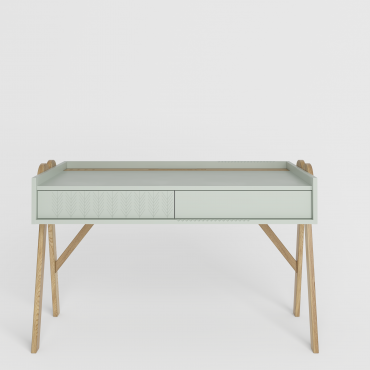
Children’s Writing Desks: How to Choose the Right Kids’ Writing Desk for a Schoolchild
Children’s writing desks are not just furniture placed in a child’s room because “that’s what you do.” This is where a child spends several hours a day: writing, reading, drawing, doing homework, preparing for tests. The way a kids’ writing desk is arranged affects posture, eyesight, concentration, and even the child’s attitude toward studying.
In this article, we explain how to choose children’s writing desks that will stay comfortable for several school years: what desk types exist, which parameters matter most, how to integrate the desk into a child’s interior, and which common mistakes are worth avoiding.
What Is a Kids’ Writing Desk and Why Does a Child Need One?
A children’s study desk performs three functions at once: a place for homework, a space for creativity, and storage for learning materials. Unlike an adult writing desk, a child’s desk has extra requirements: suitable height, safe materials, rounded corners, stable construction, and reliable hardware.
Many parents assume that a child can do homework at the dining table or on the sofa. In the first school years, this may sometimes work, but later problems appear: notebooks spread across the room, focus disappears, posture suffers. Writing desks for children are not a luxury. They are a tool for learning discipline. A personal workspace helps the child understand: this is where studying starts, this is where my things belong, this is where I focus.
Types of Children’s Writing Desks by Construction
Children’s writing desks come in different formats. There are four main construction types, and each one suits a different age, room size, and learning scenario.
Classic Writing Desk Without an Upper Unit
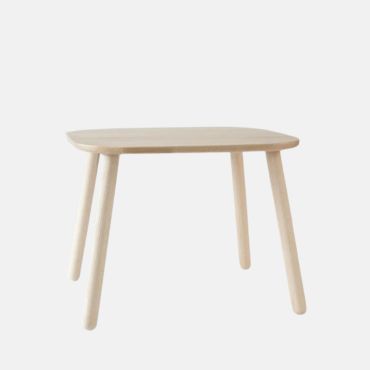
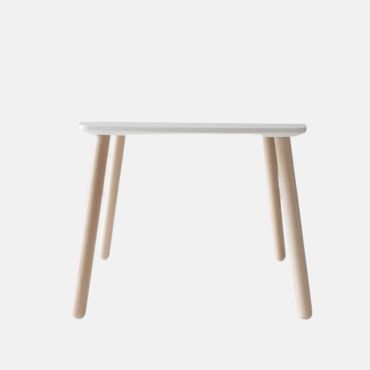
This is the simplest format: a tabletop on legs, without an upper structure. It works well for primary school, when a child does not yet have many learning materials: a few notebooks, a pencil case, a tablet, or a laptop. The advantages are lightness, visual clarity, and easy cleaning. The downside is less storage.
A classic children’s study desk without an upper unit works well in small rooms and minimalist interiors. If there is a separate cabinet, wall shelf, or bookcase nearby, this format can remain practical for a long time.
Writing Desk With an Upper Unit
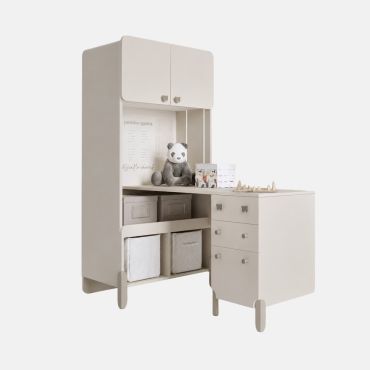
A writing desk for a schoolchild with an upper unit is a practical solution for children who have many books, notebooks, and folders. The upper part may include open shelves, closed sections, textbook niches, and organizer spaces.
This format is especially useful for middle and high school, when the amount of study material grows. If you choose a kids’ writing desk with an upper unit, check shelf height: the child should be able to reach necessary items without using a stool.
Writing Desk With Drawers and a Cabinet
This is the most functional format for schoolchildren with many papers, supplies, and small items. Drawers help clear the surface, keep the tabletop clean, and make it easier to find what is needed.
Pay attention to the drawer mechanism. Cheap runners start sticking over time, drawers tilt, and for a child this is both uncomfortable and unsafe. A children’s writing desk with quality runners lasts longer and feels better in daily use.
Corner Writing Desk
A corner format suits rooms where space needs to be used efficiently. An L-shaped tabletop creates two work zones: one for a laptop or monitor, the other for notebooks, books, or creative work.
This option is especially convenient for teenagers who spend a lot of time at the desk. Writing desks for a child’s room in a corner format help visually separate the work zone from the rest area.
How to Choose Children’s Writing Desks: Six Key Parameters
Choosing the right children’s writing desk is usually not about color first. It is about ergonomics, size, material, and safety.
Desk Height According to the Child’s Height
This is one of the most important parameters. The standard adult writing desk height is about 75 cm, but it does not suit every schoolchild. If the desk is too high, the child lifts the shoulders, slouches, and strains the neck. If it is too low, the child leans forward.
Focus not on age, but on the child’s height. Ideally, the elbows should rest comfortably on the tabletop at about a 90-degree angle, while the feet should stand fully on the floor or on a stable footrest.
Tabletop Size
For a younger schoolchild, a width of 80-90 cm and a depth of about 50-55 cm is often enough. For middle school, it is better to look at widths from 100 cm. For teenagers, choose 120-140 cm, especially if the desk will hold a laptop, monitor, textbooks, and notebooks.
If you plan to buy a writing desk for a schoolchild, do not save on 15-20 cm of width. A too-small tabletop quickly becomes a daily irritation: notebooks fall, the laptop interferes with writing, and there is no room for creative projects.
Material
Natural wood is a safe and long-lasting choice for a child’s room. Oak, beech, ash, and pine look warmer, age more beautifully, and can be restored. Children’s writing desks made from solid wood often serve for many years.
MDF with a laminated surface can also be practical, but safety certificates matter. For a child’s room, materials should be high-quality, without a strong odor or questionable origin.
Color and Design
A white desk visually lightens the room and pairs easily with different accents. Natural wood adds warmth and calm. Colorful models may look interesting, but children’s tastes change quickly.
A writing desk for a girl does not have to be pink, and a desk for a boy does not have to be dark or “serious.” A neutral base lasts longer. Color can be added more flexibly through a lamp, organizers, textiles, and decor.
Storage Systems
For a younger schoolchild, one or two drawers or a separate cabinet may be enough. For middle and high school, more storage may be needed: folders, textbooks, notes, devices, chargers.
Writing desks for schoolchildren with an upper unit are convenient if the child has many paper materials. If learning mostly happens with a laptop, a cabinet and one wall shelf may be enough.
Safety
In a child’s room, safety matters more than striking design. Tabletop corners should be rounded, the construction should be stable, drawers should have stoppers, and materials should be certified.
If there are glass elements, they should be made from tempered glass. Regular glass is better avoided in a child’s room.
Writing Desk for a Girl: Design Features
A writing desk for a girl is often chosen in softer shades: white, beige, warm gray, light wood. But it is better not to tie the design to stereotypes. A child may love one color at age seven and reject it completely at twelve.
A good solution is a neutral desk with replaceable accents: a lamp, pencil holder, desk mat, organizer, or poster above the desk. This way, the interior grows with the child without replacing the main furniture.
Writing Desk for a Boy: Design Features
Options for boys often lean toward straight lines, wood, graphite, and metal details. But technically there is no difference: ergonomics, dimensions, and safety are equally important for every child.
Teenagers often prefer a more “grown-up” style: minimalism, loft, or a contemporary interior without obvious childlike details. This type of children’s writing desk can last until graduation without looking too childish.
Children’s Writing Desks in Different Interior Styles
A child’s room style is not only about aesthetics. It is the environment where the child spends a lot of time. Writing desks for a child’s room should support the overall rhythm of the space.
Minimalism
In a minimalist child’s room, a writing desk is a clean surface without visual noise. Simple shapes, light shades, hidden storage, and slim legs work best. This option suits teenagers and children who need a calm workspace.
Scandinavian Style
Scandinavian interiors love light wood, white, and tactile simplicity. Children’s writing desks made from ash, oak, birch, or light veneer fit beautifully here. Forms are simple, decor is minimal, and the mood is warm.
Loft
A child’s loft-style room should feel softer than an adult loft. A metal frame, wooden tabletop, graphite or dark accents can work well if the corners are safe and the construction does not feel too rough.
Contemporary Style
A children’s study desk in a contemporary style may have one expressive accent: unusual handles, contrasting legs, a colored cabinet, or an interesting wood texture. The key is not to overload the workspace with details.
Japandi
Japandi is about calm, wood, low visual noise, and a natural palette. Desks made from oak or ash with simple lines work well here. Colors include cream, sand, warm gray, and natural wood.
Mid-Century Modern
Mid-century modern brings warm wood tones, minimal handles, tapered legs, and a light retro feeling. A children’s study desk in this style looks more mature and gives the room character.
Eclectic Style
Eclectic style allows more freedom, but it needs control. A writing desk for a girl or boy can combine a modern shape, vintage details, wood, metal, and colorful accessories. The desk should still connect with the other objects in the room.
Soft Contemporary Interior
In a soft contemporary interior, desks with rounded corners, warm wood, calm shades, and pleasant textures work especially well. This is a safe and visually cozy option for younger schoolchildren.
Integrating a Children’s Writing Desk Into Small and Large Rooms
The size of the room affects not only the dimensions of the desk, but also how it is perceived in the space.
Small Children’s Rooms
In an 8-10 square meter room, a children’s writing desk often has to fit into a corner, niche, or part of a storage system. Choose compact models 80-100 cm wide and 45-55 cm deep.
The best place is near a window, with daylight coming from the side. For a right-handed child, light should fall from the left; for a left-handed child, from the right. Above the desk, one shelf or a small wall module is usually enough.
Spacious Children’s and Teen Rooms
In a room from 14 square meters, you can choose a full-size desk 130-160 cm wide with a cabinet and storage. Here the writing desk becomes a visible part of the composition, so design matters more.
A larger room allows zoning: work area, rest area, storage, reading. The desk does not simply stand against a wall. It sets the rhythm of the learning zone.
What to Check Before Buying
To buy a writing desk for a schoolchild is not an impulse decision. First check the tabletop: edges should be even, without burrs, chips, or rough edging. The surface should be smooth, without bubbles or stains.
Check the frame. The desk should not wobble, creak, or vibrate under light pressure. Drawers should move smoothly, without tilting. In children’s models, stoppers are important so the drawer does not fall onto the child’s feet.
Cable management is another plus: a wire hole, hidden holders, and space for a laptop charger and lamp. The less chaos on the desk, the easier it is for a child to concentrate.
Common Mistakes Parents Make
The first mistake is choosing a desk “with a big reserve” while ignoring the child’s current height. A desk that is too high damages posture every day.
The second is saving on materials. Cheap boards of uncertain quality may smell, chip quickly, and handle daily use poorly.
The third is forgetting about lighting. Even if the desk stands by a window, a desk lamp with comfortable neutral light is still needed.
The fourth is buying a desk without thinking about future devices. Today it may only need to hold a textbook; tomorrow there may be a laptop, monitor, headphones, and chargers.
The fifth is forgetting about the chair. Even a good kids’ writing desk cannot solve posture problems if the chair is uncomfortable.
Care and Use
A quality children’s writing desk lasts a long time with proper care. A wooden surface is best wiped with a soft microfiber cloth and minimal water. Hot cups, wet wipes, and aggressive chemicals are not good neighbors for wood.
Laminated MDF is easier to maintain: it can be wiped with a slightly damp sponge and mild cleaner. Abrasives should be avoided because they leave micro-damage.
If the desk has drawers, clean the runners from dust every few months. If the mechanism begins to squeak, use a suitable lubricant. Also check the fasteners: children actively load the desk, and screws may loosen over time.
Designer and Custom Solutions
Standard children’s writing desks meet most needs. But sometimes a custom desk is the better choice: when the room has a non-standard niche, a special configuration is needed, or the desk must be part of a full design project with a wardrobe, bed, and shelving unit.
Custom production costs more, but it gives precise control over size, color, hardware, and use scenario. This is especially important when every centimeter of the room has already been planned.
The Practical Value of a Quality Children’s Writing Desk
A properly chosen kids’ writing desk is an investment for several years. It helps the child sit more comfortably, organizes learning materials, reduces visual chaos, and builds a culture of having a real workspace.
A quality desk does not have to be complicated. Sometimes a calm form, a good tabletop, reliable drawers, and the right height work best. Less randomness. More use.
There is also aesthetic value. A child grows among objects made with care: from good materials, with accurate proportions, without unnecessary noise. This shapes taste. Quietly, but for a long time.
Why Buy Children’s Writing Desks at MAIIMO
MAIIMO is a platform for designer furniture, lighting, and decor, bringing together Ukrainian brands, young studios, and craft manufacturers. Children’s writing desks here can be seen not as a random purchase, but as part of a complete room.
The catalog focuses on materials, form, safety, hardware quality, and how the piece will live in a real interior. You can choose a kids’ writing desk for a minimalist room, Scandinavian base, soft contemporary interior, or a more grown-up teen zone.
If you plan to buy a writing desk for a schoolchild, look beyond the photo. Evaluate size, height, material, storage, stability, and how the desk works with the chair, lighting, shelves, and overall room palette. A good workspace is not one item. It is a composition that helps a child study more calmly.
10 FAQ
What size writing desk should I choose for a schoolchild?
For a younger schoolchild, a width of 80-90 cm and a depth of about 50 cm is often enough. For middle school, choose 100-120 cm. For a teenager, 130-140 cm is better, especially if there will be a laptop, monitor, and open textbook on the desk.
At what age does a child need a writing desk?
A personal children’s study desk is best arranged a few months before school starts. This helps the child get used to a workspace through drawing, modeling, puzzles, and short activities.
What height should a children’s writing desk be?
Height depends on the child’s height. The main rule: elbows should rest on the tabletop at about a 90-degree angle, shoulders should not lift, and feet should stand on the floor or a footrest.
How is a writing desk for a girl different from one for a boy?
Technically, it is not different. Differences usually concern design: color, shape, decorative details. But ergonomics, safety, and size are equally important for every child.
What material is best for a children’s writing desk?
Natural wood is a durable and safe choice. Quality MDF can also be practical if it has proper safety certificates and well-finished edges.
How should a writing desk be placed by a window?
It is best when light comes from the side: from the left for a right-handed child, from the right for a left-handed child. If the window is behind the child, screen glare may appear. If it is directly in front, the eyes may tire faster from contrast.
Does a schoolchild need a desk with an upper unit?
An upper unit is useful if the child has many books, folders, and notebooks. If studying mostly happens with a laptop, a simple desk, cabinet, and separate wall shelf may be more convenient.
Which is better: a ready-made desk or a custom desk?
A ready-made desk is faster and usually less expensive. A custom desk makes sense if the room has non-standard dimensions, a special configuration is needed, or the desk must match a design project precisely.
How long does a quality children’s writing desk last?
A solid wood desk can last for decades. Quality MDF can serve through several school stages. Cheap models often lose their appearance and stability after only a few years of active use.
How should I care for a children’s writing desk?
Wipe wood with a soft cloth and minimal water. Laminated surfaces can be cleaned with a slightly damp sponge. Avoid abrasives, and regularly check fasteners and drawer runners.