Decorative Acoustic Panels
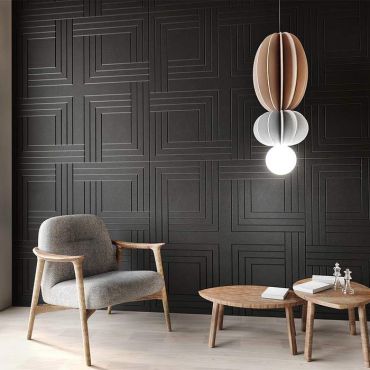
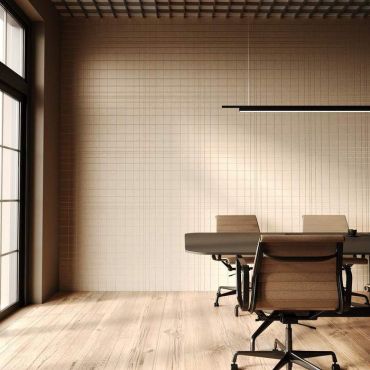
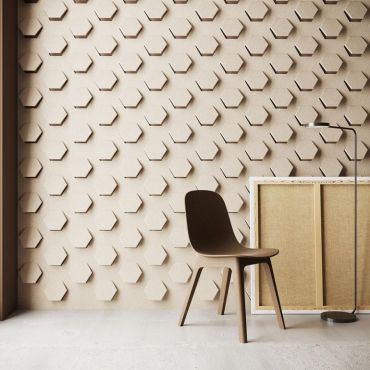
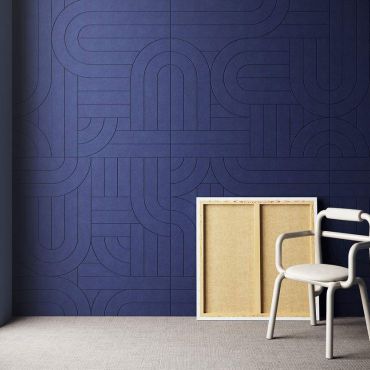

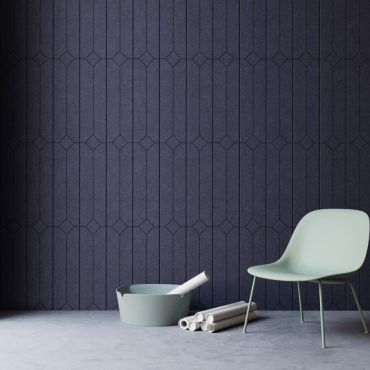
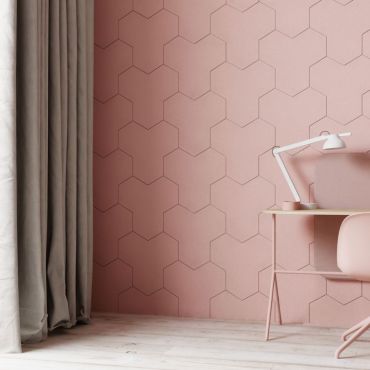
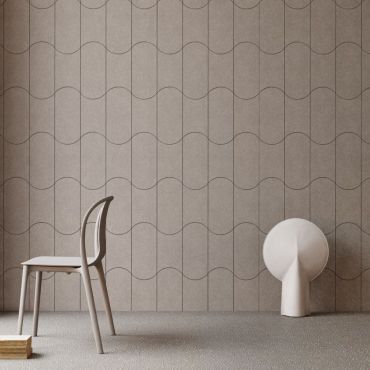
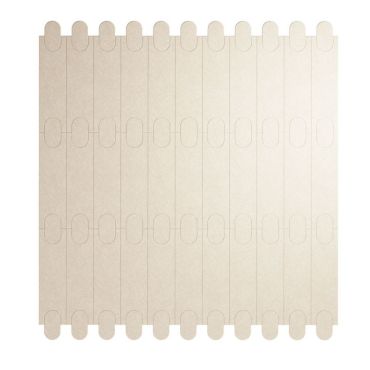
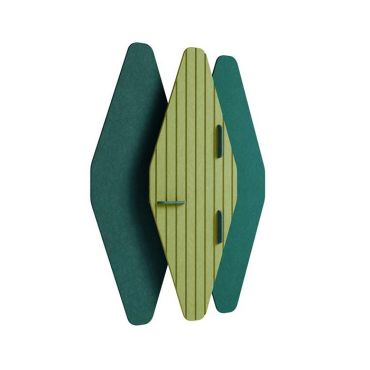
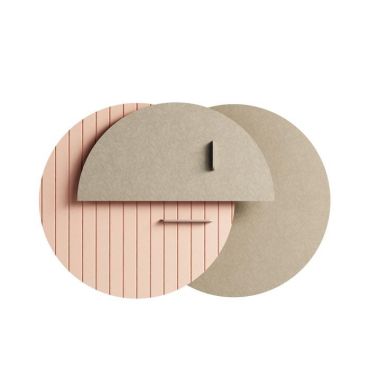

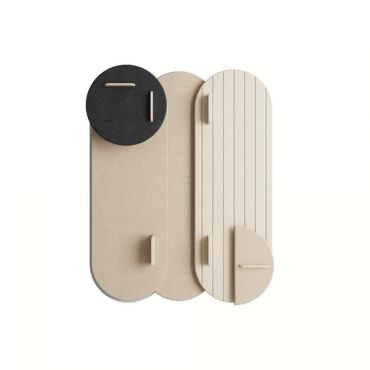
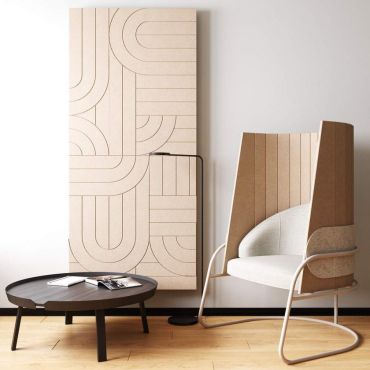
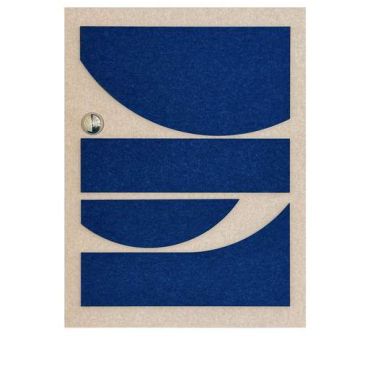
Decorative Acoustic Panels - A Catalog for Home and Office
If sound in your apartment or office "lives" longer than it should - bouncing off walls, building up in the room and becoming tiring - the answer is not always a major renovation. Decorative acoustic panels solve this problem carefully and beautifully: they absorb excess sound while becoming a full part of the interior.
At MAIIMO, we see how quickly this category is growing. The reason is simple: modern open-plan layouts, home offices and spacious studios with ceilings higher than three meters are spaces where life without acoustic correction can feel uncomfortable. Voices lose clarity, music sounds boomy, it is difficult to focus on work, and a conversation at the dining table turns into a competition of voices.
In this context, acoustic panels are not technical equipment for a recording studio. They are wall-mounted elements that perform two functions at the same time: they improve room acoustics and decorate the space. Wood, felt, fabric, perforated MDF - each material gives its own acoustic effect and its own visual language. Each solution can be chosen so that it fits naturally into an existing interior instead of looking like a foreign technical object.
In this guide, we have gathered everything worth knowing before purchase: from the difference between acoustics and soundproofing to how to choose panels for a specific interior style and how to avoid paying for specifications you do not need. If this is your first encounter with the topic, it will be a useful guide. If you already know the basics, you may still find a few details that change how you approach the choice.
What Decorative Acoustic Panels Are and Who They Are For
Decorative acoustic panels are wall or ceiling elements made from materials that absorb sound waves. Unlike soundproofing, which blocks sound transmission between rooms, acoustic panels manage sound inside one space. They reduce reverberation time - the amount of time sound continues to "live" in a room after leaving its source.
Technically, this effect is measured by the NRC, or Noise Reduction Coefficient: from 0, which means no absorption, to 1, which means complete absorption. For residential spaces, panels with NRC 0.5-0.8 are usually enough. For a home studio or conference room, aim for NRC 0.8 and above. This is the one objective specification worth checking before purchase, rather than judging only by photos.
The list of people and spaces that benefit from decorative acoustic panels is wider than many expect.
Residents of open-plan apartments. A living room combined with a kitchen, where every conversation travels through the whole space, is a classic candidate for acoustic correction. This is especially true when the floor is tile or parquet without rugs and the ceilings are high.
Home office owners. If you spend a lot of time on video calls or record content, sound absorbing panels remove echo and noticeably improve the sound quality for the person on the other end of the call.
Restaurants, cafes and bars. For venues with mostly hard surfaces - tile, concrete, glass - acoustic discomfort is a real problem that directly affects guest satisfaction and the length of their stay.
Acoustic panels for office open spaces are another important use case. Large open offices are acoustically difficult: dozens of people speak at once, sound reflects from glass partitions and hard floors. Properly placed panels reduce the overall noise level and help people concentrate.
Home studio owners. Here the goal is not isolation from neighbors, but high-quality recording: even, clean sound without echo and without the obvious "room" coloration.
An important detail: decorative acoustic panels will not turn your apartment into a soundproof bunker. If your problem is the upstairs neighbor or a noisy street, that is a different technology. But if you have a lively room where voices and music sound boomy, these panels are exactly the tool for the job.
Types of Decorative Acoustic Panels
Acoustic panels differ by material, construction and principle of operation. Each type gives a different acoustic result and a different aesthetic effect, so the right choice depends both on the task and on the style of your space.
Slatted Wooden Panels
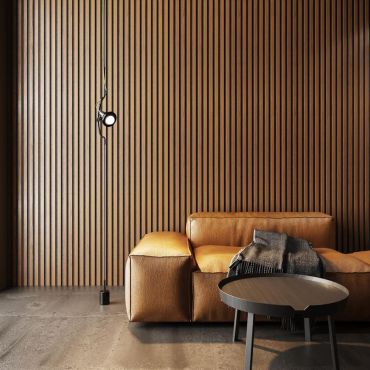
Acoustic slat panels are one of the most popular directions in contemporary interiors. The construction is simple: wooden or veneered slats fixed to a backing made from an acoustic material, usually felt. Sound passes between the slats, is absorbed by the backing, and the room becomes calmer.
Aesthetically, this means warmth, texture and natural character. Wooden acoustic slat panels fit naturally into minimalist, Scandinavian and Japandi interiors. They are made from oak, ash, pine, walnut or veneered MDF. The width of the slats and the distance between them influence both the acoustic effect and the visual rhythm, so these parameters are worth discussing with the supplier for your specific space.
One key detail: the NRC of slatted panels depends mainly on the backing, not on the wood itself. Before buying, ask for the specifications of the backing material. That is what determines the real acoustic performance.
PET Felt Panels
PET felt acoustic panels are made from recycled polyethylene bottles. This is not a marketing fairy tale, but a real and well-established technology. The material is dense, warm to the touch, holds its shape well and has strong acoustic characteristics: NRC 0.65-0.9 depending on thickness.
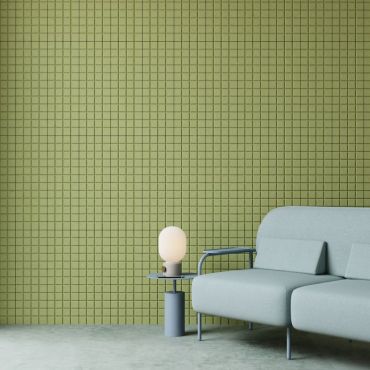
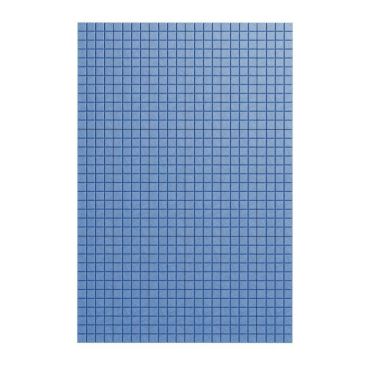
The main advantage of PET felt is its flexibility in shaping. Geometric panels, waves, organic outlines, perforated patterns - all of this can be produced relatively easily. The color palette is usually much wider than in wooden solutions: from neutral greys and beiges to rich accent colors.
PET felt is a conscious ecological choice: recycled plastic plus the absence of toxic glues and varnishes. It works well for children's rooms, offices and anyone who approaches materials in their home thoughtfully.
Perforated Acoustic Panels
Perforated acoustic panels are made from MDF, wood or metal with a regular pattern of holes. The principle is simple: a sound wave passes through the openings to an absorbing layer inside or behind the panel and is dissipated there. Acoustic efficiency depends on the percentage of perforation and on the characteristics of the internal filler.
Visually, perforated panels create a structured, geometric look with a strong play of light and shadow. They look good in modern and minimalist interiors, especially in large formats where the regular rhythm of the holes becomes a decorative solution in itself - something between function and an art object.
Soft Fabric Panels
Fabric acoustic wall panels consist of a frame, usually wood or aluminum, filled with acoustic batting or foam and covered with fabric. This is a studio-design classic adapted for residential spaces.
The main advantage is the broad choice of fabrics: from neutral linen and cotton to velvet and structured textiles. You can match almost any color and texture. The NRC of well-made fabric panels can reach 0.85-0.95, one of the highest figures among decorative solutions. Soft panels suit bedrooms, studies and meditation zones - places where acoustics matter, but so do warmth and a calm atmosphere.
How to Choose Decorative Acoustic Panels: Main Criteria
The right choice of decorative acoustic panels is not only about appearance. At MAIIMO, we recommend evaluating three parameters together: acoustic performance, suitability for the space and style. Each one matters on its own, but the right decision appears only when all three are balanced.
Material and NRC
The first and most important technical parameter is the NRC. It shows what share of sound energy the material absorbs. NRC 0.7 means that 70% of the sound is absorbed and 30% is reflected back into the space.
Different tasks require different values. For an apartment or living room, NRC 0.5-0.7 will create a noticeable acoustic improvement. For a home office or meeting room, NRC 0.7-0.85 is optimal. For acoustic panels for home studio, NRC 0.85 and above is better for clean recording without echo. For a restaurant or cafe, aim for NRC 0.6-0.8 depending on the area and type of space.
It is important to understand that the same material can have a different NRC depending on thickness. Thin 9 mm PET felt and thick 25 mm PET felt are acoustically very different. Always check thickness together with the NRC rating.
Size and Shape
Acoustic panels for walls are installed with a certain area coverage in mind. The general rule: for a noticeable effect, cover 15-25% of the wall and ceiling surface area. In a 20 sq.m room with a 2.7 m ceiling, the total surface area is about 100 sq.m, which means you need 15-25 sq.m of panel coverage. This is a concrete number worth calculating before purchase.
Choose the panel format according to the room architecture. Vertical slatted panels from floor to ceiling visually lift the ceiling. Horizontal strips stretch the space in width. Square modules create a neutral effect and are easier to install either independently or gradually over time.
Color and Style
The decorative function of the panels is no less important than the acoustic one. This is the main difference between decorative acoustic panels and utilitarian studio absorbers. Choose color from the overall interior palette: panels can be an accent - a contrasting color on a neutral wall - or part of the general tone, tinted to match wood, plaster or textiles.
Texture also changes how a room feels. Wood adds warmth and natural depth. Felt adds softness and a contemporary look. Fabric adds elegance and comfort. Designer acoustic wall panels in the right material become more than a solution to an acoustic problem. They become a complete design statement.
Decorative Acoustic Panels in Different Interior Styles
One of the strengths MAIIMO values is the ability to choose decorative acoustic panels for almost any interior style. We have studied which solutions work best in each direction. Here are practical recommendations.
Minimalism and Scandinavian Style
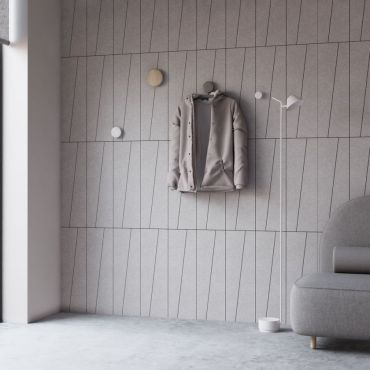
In minimalist and Scandinavian interiors, panels should strengthen clean lines rather than interrupt them. The ideal solution is light oak or ash acoustic slat panels with narrow slats, about 20-30 mm wide. A natural or grey felt backing adds texture without visual noise.
Colors: natural, bleached, warm grey, beige. Installation: one continuous vertical panel from floor to ceiling, or several modules with equal spacing and air between them. In Scandinavian interiors, fabric panels covered with linen or dense cotton in sand or cream tones also work well. They pair naturally with wooden furniture and natural textiles.
Loft and Industrial Style
Loft interiors are open spaces with concrete, metal and brick. Acoustically, this is one of the most difficult interior types: all surfaces are hard and reflect sound in every direction. The need for sound absorbing panels is especially high here.
For loft spaces, choose acoustic slat panels made from dark stained wood or MDF painted in a metal-like finish. Perforated metal or metalized panels also fit the industrial aesthetic. Dark grey, black or rust-colored acoustic panels look natural against concrete and brickwork.
Quantity matters here as well. A loft with ceilings higher than four meters requires significantly more coverage than a standard apartment. Ceiling panels in such spaces are not a decorative whim. They are often necessary.
Japandi and Mid-Century Modern
Japandi combines Japanese minimalism and Scandinavian functionalism. The materials are natural dark wood - walnut, wenge, dark oak - bamboo and natural fabrics. The forms are calm, geometric and free from decorative excess.
Wooden acoustic wall panels in walnut or dark oak are an ideal choice for a Japandi space. Medium-width slats, about 40-50 mm, equal spacing and a dark backing work best. Avoid bright colors. A neutral palette is the rule here, while expression comes through material and proportion.
Mid-century modern refers to the 1950s and 1960s: organic shapes, warm woods and textiles with expressive texture. Fabric acoustic panels for walls covered with velvet or wool fabrics in ochre, terracotta or olive tones work especially well here. Organic frames instead of strict rectangles can strengthen the style.
Soft Contemporary and Eclectic Interiors
Soft contemporary style means spaces without harsh lines, with flowing shapes, plush textiles and warm lighting. Wave-like or organically shaped PET felt acoustic panels fit this aesthetic perfectly: they absorb sound while adding plasticity and softness to the wall.
Eclectic interiors allow more boldness. An accent panel in a saturated color on a contrasting wall. A mix of materials: wood plus felt plus fabric on one wall as an art installation. Designer decorative acoustic panels in an eclectic interior can become the semantic center of the room. They have enough visual flexibility for that role and enough function to justify it.
Where to Install Acoustic Panels
Acoustic panels for walls should be installed where there is a real sound-quality issue. But placement is also about efficiency: where one square meter of coverage will give the strongest effect.
The living room is the first and most common location, especially the wall behind the sofa or the wall opposite the window. The TV or audio-system zone has the greatest influence on sound quality when watching films or listening to music.
Home office. Place panels on the wall behind the chair or near the microphone side. Two or three 60x60 cm modules already make video calls noticeably clearer - and your conversation partner feels the difference first.
Children's room. Reducing volume and echo improves concentration and speech perception for children. PET felt is especially suitable here: it is a safe material and easy to clean.
Bedroom. Quiet and acoustic comfort directly affect sleep quality. Soft fabric panels above the headboard are a functional and stylish alternative to ordinary wall decor.
Acoustic panels for office open spaces are installed between work zones as soft partitions, on the ceiling above meeting zones, or on walls in high-noise areas. The principle is the same: cover the surfaces where early reflections are most problematic.
Restaurants and cafes. Hard floor plus glass storefronts plus metal decor equals an acoustic problem. Fabric or wooden panels on walls and ceilings significantly reduce the general noise level and make the space more comfortable.
Home studio. Evenness matters here: panels are placed on the side walls, behind the microphone and on the ceiling. Priority zones are first reflections, meaning the points where sound from the source first touches a surface.
What to Check Before Buying
At MAIIMO, we see in practice that most mistakes when buying decorative acoustic panels come from ignoring a few basic parameters - the ones you cannot see in beautiful catalog photos.
Panel thickness. A thin 6-9 mm material mainly absorbs high frequencies. If your problem is boominess or low-frequency buildup, you need thickness from 25 mm and above. Ask the seller which frequencies the material works with and what thickness is recommended for your task.
Coverage area. One 60x60 cm panel on a 10 sq.m wall will not create a noticeable effect. Calculate the coverage percentage - at least 15-20% - before purchase, not after disappointment.
Mounting material. Most panels are installed with special mounting adhesive or brackets. Check whether the method suits your wall type: concrete, drywall and brick each require a different approach. Incorrect installation can damage both the panel and the wall.
Certificates and safety. For children's rooms and bedrooms, check for sanitary and safety documentation. High-quality PET felt and natural fabrics are safe. Cheap foam from an unknown manufacturer leaves too many open questions.
Delivery conditions. Natural-wood acoustic slat panels are sensitive to humidity and mechanical damage. Choose a supplier with reliable packaging and clear transport conditions.
Typical Mistakes When Choosing Decorative Acoustic Panels
Confusing acoustics with soundproofing is the most common mistake. Sound absorbing panels improve the acoustics inside your room. They will not protect you from neighbors. That requires a fundamentally different construction.
Choosing only by appearance. A beautiful panel with a low NRC is decor, not an acoustic solution. Before purchase, ask for NRC data, not only photos.
Buying too few panels. "I will install two panels and see" is a common approach that almost never works. The acoustic effect begins at 15-20% surface coverage. Less than that is usually barely noticeable.
Ignoring the ceiling. In open spaces and rooms with hard flooring, the ceiling is a major sound reflector. Acoustic panels only on the walls will deliver only part of the potential effect.
Not considering existing soft decor. Upholstered furniture, rugs and curtains also absorb sound. A minimalist interior with hard surfaces needs more panels than a space with rugs and heavy drapes.
Why Buy Decorative Acoustic Panels from MAIIMO
MAIIMO is a place where designer acoustic wall panels are selected by people who understand interiors and materials. We do not sell everything indiscriminately. Every item in our catalog has clear characteristics: NRC ratings, materials, mounting method and recommended room types.
The MAIIMO assortment includes solutions from trusted Ukrainian manufacturers and local workshops. We consciously support local production: it is quality that can be checked and responsibility that does not need empty marketing slogans.
Decorative acoustic panels in our catalog are solutions that look equally good in the living room of a private home, in a ten-square-meter home office and in the meeting room of a modern coworking space. We have studied different tasks and selected specific products for them, so you do not have to study technical specifications from scratch.
The MAIIMO team is ready to help with selection. If you are not sure which panels suit your space and style, write to us. We do not push the most expensive solution. We choose what will solve your specific task and fit naturally into what you already have.
Delivery across Ukraine, convenient payment and full information about every product. If you are looking for acoustic panels for home, office or a specialized space, browse our catalog. There are options for different budgets and different styles.
FAQ: Decorative Acoustic Panels
What are decorative acoustic panels?
Decorative acoustic panels are wall or ceiling elements made from materials that absorb sound waves. They reduce reverberation - echo - inside a room and also work as decor, becoming part of the interior design.
Unlike technical studio absorbers, decorative acoustic panels are produced in many materials - wood, felt, fabric, perforated MDF - and colors. This makes them suitable for different styles, from minimalism to eclectic interiors.
How are acoustic panels different from soundproofing?
These are fundamentally different technologies with different goals. Sound absorbing panels manage sound inside a room: they absorb reflections, reduce echo and improve speech clarity. Soundproofing is a heavy construction system that blocks sound transfer between rooms.
If neighbors or street noise bother you, you need soundproofing. If sound inside your room feels boomy or unclear, you need acoustic panels.
Which materials are best for acoustic panels?
The best material depends on the task and the interior style. PET felt acoustic panels usually have NRC 0.65-0.9, are safe and come in a wide range of colors and shapes. Natural-wood acoustic slat panels offer a high visual standard, while their NRC depends on the backing and usually sits around 0.5-0.8. Soft fabric panels can reach NRC up to 0.95 and offer a wide choice of textiles.
For children's rooms, we recommend PET felt because it is safe and easy to clean. For a home studio, choose fabric panels with thick filling. For a living room, oak or ash acoustic slat panels are often the most balanced solution.
How many panels do I need for a room?
The general rule: for a noticeable acoustic effect, cover 15-25% of the wall and ceiling surface area. For a 20 sq.m room with a 2.7 m ceiling, this is about 15-20 sq.m of coverage. It may be one large accent wall or several zones placed evenly around the room.
If the room already has many soft surfaces - rugs, curtains, upholstered furniture - the need is lower. In spaces with little textile and a hard floor, the need is higher, so it is better to aim for the upper end of the range.
How do I calculate the number of acoustic panels correctly?
Calculate the total area of the room's walls and ceiling. Take 20% of that number - this is the approximate coverage area for a strong effect. Divide it by the area of one panel, for example 0.36 sq.m for a 60x60 cm format, and you will get the number of pieces.
Example: a 25 sq.m room with a 2.8 m ceiling. The total surface area is about 130 sq.m. 20% of 130 is 26 sq.m. Divide 26 by 0.36, and you get about 72 panels in the 60x60 format. With a 60x120 format, you need about 36 pieces.
Where are acoustic panels installed in an apartment?
The most effective zones are the wall behind the sofa in the living room, the wall opposite or behind the TV, and the ceiling above the lounge or dining area. In the bedroom, use the wall above the headboard or the side walls. In a home office, use the wall behind the chair or near the microphone.
Technically, it is important to cover first-reflection points - the places where sound from the source first touches a surface. In a rectangular room, these are the side walls at ear level, one of the most important places for coverage at any budget.
How do I install acoustic panels myself?
Most acoustic panels for walls are installed in one of three ways: mounting adhesive, double-sided mounting tape for lightweight solutions, or hidden brackets for heavy wooden panels. For heavy slatted systems, use mechanical fixing only.
The process is simple: mark the positions with a level and pencil, apply adhesive or install brackets, press the panel in place and fix it. For adhesive installation, the recommended fixing time is usually 24-48 hours. On drywall, fasten into the profile or use drywall anchors. Do not rely on the sheet alone.
Are decorative acoustic panels suitable for a home studio?
Yes, they are suitable, with a few clarifications. Acoustic panels for home studio use should have NRC 0.85 and above, even coverage of side walls and first-reflection zones, and ideally bass traps in the corners to control low-frequency modes. That is a separate topic.
For podcast recording, voice content and educational video, high-quality decorative fabric panels are usually enough. For serious music recording, decorative panels are often combined with specialized low-frequency solutions.
How much do decorative acoustic panels cost in Ukraine?
The price range is wide and depends on material and format. PET felt acoustic panels in a 60x60 cm format usually cost approximately 700-2,500 UAH depending on thickness and manufacturer. Natural-wood acoustic slat panels range from about 3,000 to 15,000+ UAH per square meter. Fabric panels cost about 1,500-6,000 UAH per piece depending on size and fabric type.
When planning the budget, remember that a noticeable effect requires 15-20% room coverage. Calculate the full need and total amount in advance, not only the price of one panel.
Are PET felt acoustic panels ecological?
Yes. PET felt acoustic panels are made from recycled polyethylene bottles. The material itself contains no toxic compounds and does not emit volatile organic compounds when supplied by certified manufacturers with proper documentation.
Compared with traditional foam, PET felt does not degrade over time with harmful emissions and lasts significantly longer. For people who choose materials for their home consciously, this is a well-grounded and well-tested option.