Табурети
When you need additional space
When more guests turn up than expected, an extra seat seems to find its own place. Designer stools step in easily, then slip quietly back under the table. Choose yours for long breakfasts, quick coffee and the friend who never warns you they are coming.
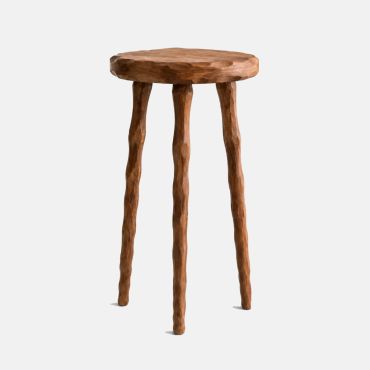
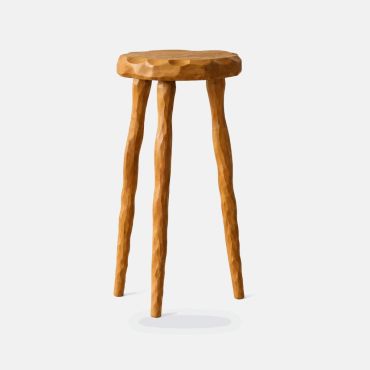
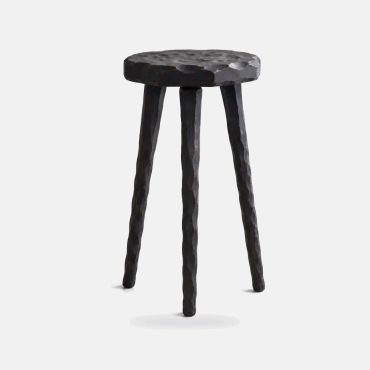
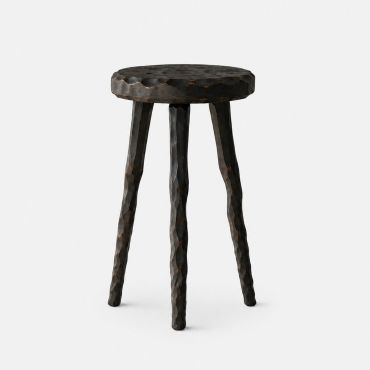
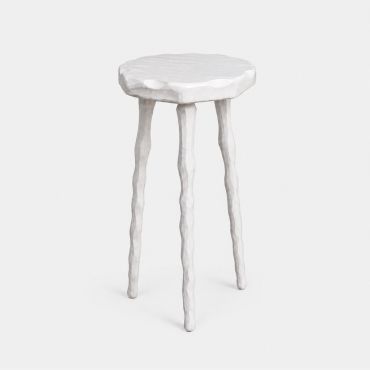
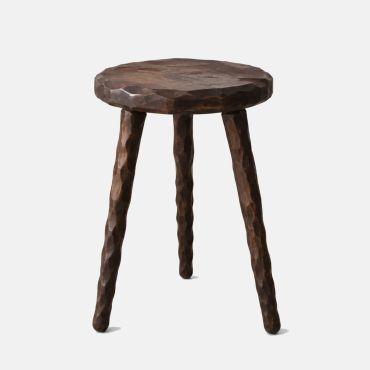
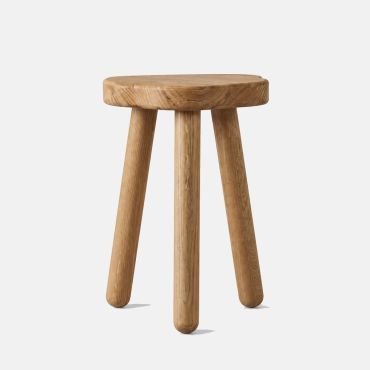
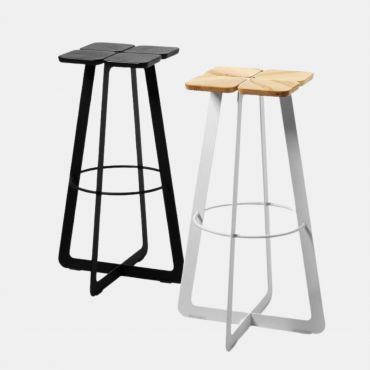

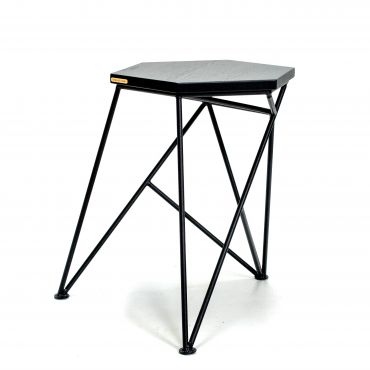
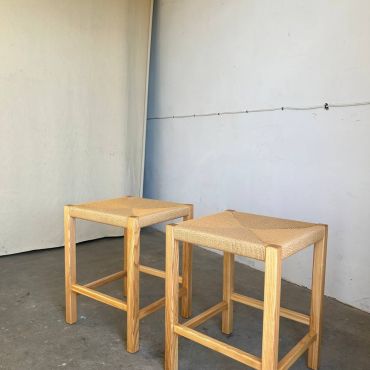
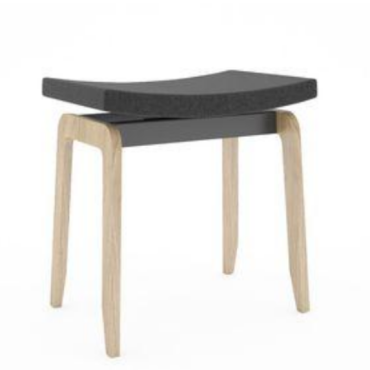
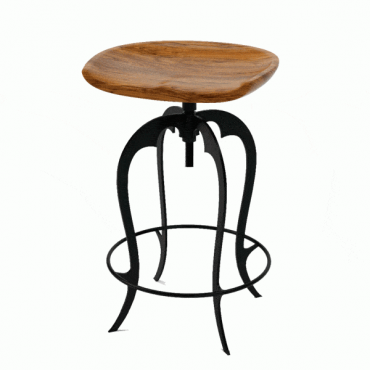
Designer stools in wood and metal for contemporary interiors
Stools may look like the simplest furniture in the house: a seat, a few supports and no backrest. That simplicity leaves nowhere for awkward proportions to hide.
At MAIIMO, we treat stools as complete interior pieces. Most models are wooden; others pair a metal frame with a wooden, woven or upholstered seat. The selection is deliberately focused, which makes meaningful comparison easier.
Compactness does not mean that the stool for the kitchen should remain only at the kitchen table. It can be placed in the hallway to put on shoes, next to the bed instead of a small table, next to the chair or next to the dressing table.
How a stool differs from a chair
The main difference is simple: the stool does not have a back. Due to this, it takes up less visual and physical space, easily slides under the table and does not block the view across the room.
If you spend a lot of time at the table each day, compare the stool with a dining chair. A backrest takes up more room but supports the body during longer meals or work.
Kitchen stools are also easier to approach from any side. Their symmetrical construction has no obvious front, so you can lift one with a single hand, move it and sit down without turning it into position.
Wooden stools: a material that ages beautifully
Wooden stools bring warmth without unnecessary decoration. Solid timber has its own grain, subtle tonal shifts and a surface that feels good to the touch. Even a restrained round or rectangular design has character because the grain creates its own rhythm.
When choosing a wooden stool, check not only the name of the breed. The cross-section of the legs, the way they are connected to the seat, the presence of crossbars and the quality of the finish are important. A smooth surface should not have sharp edges or rough areas.
Stools made of natural wood are suitable for a light and calm interior. They are easily combined with a table of a similar temperature, but are not obliged to exactly repeat its breed. Sometimes a small difference looks more alive than a furniture set.
If wood is the main theme of the room, look also at wooden chairs. It is not necessary to collect the same headset. You can repeat the breed, but change the shape; choose a common color and different designs; or leave the table and chairs restrained, and make one stool an accent.
Metal stools: a light silhouette and precise construction
Metal stools can appear almost weightless, although they remain structurally strong. The thin profile lets light in and doesn't create a heavy stain under the table. This is useful in a small kitchen, where solid massive supports quickly overload the space. Metal also gives designers the freedom to work with curves, triangular frames and expressive geometry.
In a model with a metal frame, it is worth inspecting the welds, coatings and points of contact with the floor. A high-quality stool for the kitchen does not wobble on a flat surface, and its legs have protective pads. Powder coating should be even, without chips near the joints.
The combination of metal and wood makes the kitchen stool visually warmer. The frame is responsible for graphics, the seat for tactility. Black metal supports contrasting interiors well, and light wood softens its severity. If the seat is soft, the object looks closer to a small banquette, but retains the compactness and mobility of a stool.
Kitchen stools and other ways to use them
Kitchen stools work especially well where every centimetre counts. They slide fully or partly beneath the tabletop, avoid a visual row of backrests and clear the walkway quickly. Measure the space between the table legs, not only the length of the top.
When you need to buy a stool for the kitchen, it is easy to focus only on color. The more practical sequence is different: first the height of the table and the seat, then the width of the place for each person, then the construction and only after that the shade.
In the entrance hall, stools provide a convenient place to sit while putting on shoes. Stability, a comfortable height and an easy-clean surface matter most here.
For a desktop, stools are only suitable for short tasks. The lack of a backrest forces the body to maintain its position on its own, and prolonged sitting can be tiring.
How to choose the right stool height
The right height determines whether the stool for the kitchen will be really comfortable. A standard dining table usually requires a seat about 43-47cm from the floor, but you should be guided by the specific tabletop. It is desirable to leave about 25-30 cm between the top of the seat and the lower edge of the tabletop.
Measure to the underside of the table, not its top surface. A drawer, apron or substantial underframe can remove several important centimetres. If the kitchen stools are upholstered, remember that the padding compresses slightly in use.
Bar formats use different dimensions. Bar stools suit a high counter, while counter stools work with a lower kitchen island. Both need a footrest and proportions designed for the taller sitting position.
Seat size, shape and sitting comfort
The width and depth of the seat affect comfort no less than the height. A compact stool is easier to hide under the table, but too small a plane forces you to constantly adjust your posture. Before buying, it is useful to compare the size with a stool you already use.
Round stools do not have a defined front edge, so it is easy to sit on them from any side. A square or rectangular seat better repeats the geometry of the table and often gives the feeling of a larger area. Rounded corners are useful in narrow passages.
A slightly concave seat helps the body find its center, while a flat surface gives more freedom and works better as an auxiliary plane. When choosing a kitchen stool, think about what is more important to you.
Solid, woven or upholstered seats
Hard wooden stools are easy to maintain and maintain a clean silhouette. They are easy to wipe after breakfast, crumbs do not collect on the surface in the seams of the upholstery. Comfort depends on the shape: a well-finished edge and a slight indentation feel more pleasant than a completely flat board with a sharp edge.
The woven seat adds elasticity and lively texture. Such wooden stools go well with natural textiles, ceramics and matte surfaces. Check the density of the weaving, the method of fastening and the recommendations for care. Natural cord or vine can react to moisture and require more delicate cleaning than varnished wood.
A soft stool for the kitchen is pleasant for longer sitting, but the fabric needs attention. It is important to know the composition of the upholstery, the possibility of local cleaning and the color in real light. A very light fabric near the cooking area will require more care.
Stability, weight and the quality of joints
A sturdy stool doesn't have to be heavy. The geometry of the supports, the area of their location and the rigidity of the frame are decisive. Legs that flare out a bit often give a wider base.
If the stools are to be moved often, the weight becomes part of everyday comfort. Try to imagine a simple action: take an object with one hand, move it with a vacuum cleaner, put it back. A hole in the seat or a convenient edge makes it easy to carry.
Inspect the crossbars and mounting points. In a wooden stool for the kitchen, they should not creak or move. In the metal frame, pay attention to the seams and the evenness of the supports. A non-marking material is required for delicate floors. If the pads are replaceable, check if they can be ordered later.
Designer stools for different interior styles
In minimalism, stools support clean geometry. Here, simple cylindrical, round or rectangular shapes, one type of wood, even matte color and hidden connections are appropriate. The subject should not literally disappear, but its construction is readable at a glance. For a white or light gray space, natural wood or one black accent works well.
The Scandinavian interior loves light wooden stools, gently rounded edges and a tangible texture. It is important not to turn the room into a set of the same bright furniture. A stool with a wicker seat or a darker crossbar can be added to a calm table. A small difference makes the composition homemade.
For a loft, metal stools with a black or dark frame are logical, but roughness is not necessary. The thin profile, precise stitching and wooden seat look more modern than the deliberately "industrial" scuffs. If the room already has brick, concrete and black metal, one more heavy object may be superfluous.
In a modern style, stools can repeat the line of the table or, on the contrary, provide a soft contrast. A round seat goes well with a rectangular table top if you want to remove excessive rigidity. The color can be associated with a lamp, kitchen facades or a small textile detail.
Japandi supports low-profile wood stools with calm proportions and a tactile matte finish. The quality of the joints is particularly noticeable here: there is little decoration, so nothing hides the structure. Choose natural shades, black wood or discreet weaving. Glossy coating and too contrasting fittings can disturb the silence of the composition.
For mid-century modern, wooden stools on conical or slightly spaced legs, warm walnut shades, a rounded seat and a graphic crossbar are appropriate. No need to reproduce the historical set. One object with recognizable plastic is enough to support an armchair, dresser or lamp from the same stylistic family.
Eclecticity allows the stool to be a little oddball in the room: unexpected color, sculptural shape, contrast of wood and metal. But even a bold subject has to speak to something. Repeat the color in the picture, the texture in the basket or the line in the table support.
In a soft modern interior, a stool with a soft seat supports rounded sofas, warm neutral colors and tactile fabrics. The frame can remain wooden or metal, but it is better to choose smooth edges. If the room is already filled with bouclé and three-dimensional shapes, a hard wooden stool sometimes gives the necessary pause.
Stool colours: natural wood, black or an accent tone
The natural color emphasizes the material, so wooden stools in clear or light tones work well in spaces where there is already wood. Repetitions do not have to be literal. The floor, table and stool can differ by several tones, if all shades are warm or all tend to a calm neutral range.
Black stools collect the composition and make the structure more visible. This works especially well when black is already present in table legs, track lighting, faucets, or thin frames. But in a very light, small kitchen, a few solid black items can create a heavy stain.
The accent color is appropriate when the stools have a simple shape. A deep green, terracotta, burgundy or sophisticated blue works longer than an occasional bright shade if supported by the materials of the room. It is not necessary to look for an identical vase or pillow.
When choosing online, remember that the color of the stool depends on the screen and lighting in the photo. Daytime northern light makes surfaces cooler, warm lamps enhance yellow and red shades. If the difference is critical for the project, specify the possibility of receiving a sample of the material or an additional photo.
Matching stools or a mix of different designs
A set of identical stools creates a calm rhythm and facilitates planning. This is a good choice for a small kitchen, where many other details already compete for attention. The same height and dimensions are also predictable in use: every seat has the same fit, and objects fit under the table.
Various stools look natural in the interior, which was assembled in more than one day. So that the composition does not fall apart, it is enough to repeat one feature: material, height, color, rounded shape or thickness of supports. For example, two wooden models can have a different silhouette, but the same dark finish.
A mixed set should be checked in a row. Even a small difference in height is noticeable when the kitchen stools are next to each other. If this is intentional, alternate the models or spread them on different sides of the table.
Custom dimensions and designer options
An individual order makes sense when a standard stool does not fit in terms of height, wood type or frame color. It is also justified for a project where you need several items in the same material as the table. But customization should not start with an abstract desire to "do differently".
Changing the height affects the proportions of the entire stool. Longer legs may require a different cross-section or additional crossbars, and a wider seat may require a larger base. Therefore, you should not simply add centimeters to the finished model without consulting the designer.
For a serial interior of a cafe or a large dining area, stools should also be evaluated by the repeatability of the finish, the possibility of replacing the overlays, and care. A residential model can handle daily home use, but that doesn't automatically mean it's suitable for heavy commercial use. The script should be discussed before ordering.
The price of a stool and its long-term value
The price of a stool consists not only of the amount of material. It is influenced by the design, manual work, the complexity of the joints, the finish, the upholstery, the small edition and the possibility of individual parameters.
When comparing stools, look at the whole picture. Can the tree cover be restored? Do the pads on the legs change? Is material and care information available? Will the design withstand changing the kitchen facades or moving to another room? A neutral, well-assembled model often lasts longer than an item bought for a short decorative trend.
Small size does not make wooden stools disposable furniture. A quality item moves from the kitchen to the bedroom, then to the hallway, works as an additional seat and remains useful after the table has been changed. It is this mobility that provides long-term practical value.
What to check on the product page and before delivery
Before buying a stool, check the total height, width and depth of the seat, the maximum size of the legs on the floor, the material of the frame, the type of coating and the declared load, if the manufacturer provides it. Upholstery composition and cleaning recommendations are required for the soft model.
Check if the stool comes assembled. If assembly is required, check the kit, tools and the ability to tighten fasteners after the first weeks of use. For a narrow corridor, the size of the package is important, although the item itself is small.
Upon receipt, place the stools on a flat, hard floor and inspect each one from all sides. Small natural differences in the pattern of the tree are not a defect; they validate the material. But a wobble, a crack near the joint, a damaged coating, or a missing pad needs fixing.
If a table is selected together with stools, it is convenient to immediately look at the dining tables and check not only the style, but also the space between the supports. It is the design of the subfloor that determines whether the seats can be fully retracted and how many people will be accommodated without fighting for legroom.
How to place stools in a small space
In a small room, stools should be evaluated not separately, but in motion. Does the drawer open when the person is sitting? Does the passage remain if the object is moved away from the table? Do the legs go between the table supports? Draw an outline on the floor with masking tape.
Stackability is useful, but should be confirmed by the manufacturer. Not all kitchen stools of a similar shape can be safely placed one on top of the other: the surfaces can be scratched, and the structure can rest on weak areas.
In a large space, one stool is also not lost if it has a clear role. Place it next to a chair, console, or in an area where temporary space is often needed. Several different models can be combined with a common material or color.
Common mistakes before buying stools
The most common mistake is to choose a kitchen stool based on the overall height, without checking the distance to the lower edge of the countertop. The second is to count the number of seats by the length of the table and forget about its legs.
The other extreme is to look for the smallest stools so that they fit exactly. A seat that is too narrow and legs that are close together can impair comfort and stability. Compactness has a limit. It is better to leave two full seats instead of three that no one wants to use.
You should not automatically choose wooden stools that match the tone of the table. Screens distort color, and different breeds react differently to lighting. If an exact match is critical, physical samples are required. In other cases, it is safer to choose a perceived contrast: lighter, darker or black.
Another mistake is to expect any stool to become a stepladder or footstool when standing. The seat is designed for a certain load and force direction. You can rely on it only when the manufacturer directly allows such a scenario. Access to the upper shelves requires a special stable structure.
Using a stool safely every day
Even a stable stool needs a level base. On a thick carpet or on the border of two different coverings, one leg can stand higher and the structure will start to wobble. If the floor has a slope, do not compensate for it with random underlays.
Sit closer to the center of the stool, especially if the seat is small and round. Do not swing on two legs or drag an object across the floor while someone is sitting on it.
In a house with children, it is better not to leave stools near open windows, a cooking surface or cabinets that are easy to climb on. An ordinary stool does not replace a children's step and does not have handrails.
From time to time, check the kitchen stools with your hands: whether there is no backlash, whether the crossbars are tightly held, or whether all the linings are in place. After moving or long-term storage, such a check is especially appropriate.
Do not exceed the declared load and do not consider it as a "safety margin". For a metal stool, not only the profile and welds are important, but also the method of fastening the seat. For wooden - the direction of the fibers, joints and the condition of the material.
Caring for wood, metal and upholstery
It is better to wipe wooden stools with a soft, slightly damp cloth, and then wipe dry. Do not leave water on the joints and do not use abrasive sponges. Oil, wax, and varnished coatings require different care, so the manufacturer's recommendation is more important than universal advice from the Internet.
A neutral agent and a soft cloth are usually sufficient for the metal frame of the stool. Aggressive chemistry can damage powder coating. If a chip appears, do not mask it with random paint until the type of coating is clarified. Periodically check the fasteners, especially if the item is moved often.
Clean the upholstery of the kitchen stool according to the composition of the fabric. First, wet the stain without rubbing it into a larger area. It is better to test the tool on an inconspicuous area.
Why buy designer stools from MAIIMO
Before deciding, test the scale with an object of roughly the same height and footprint. A cardboard template shows the seat size, while a box reveals whether the stool would obstruct the walkway.
We select stools from Ukrainian brands, local workshops and craft studios for their construction, materials and usefulness in real homes. A focused assortment makes it easier to compare meaningful differences without getting lost among hundreds of nearly identical products.
When you need to buy a stool for a specific table, we advise you to start with measurements and a scenario. The MAIIMO team will help match the height, the actual size of the seat, the color of the wood or metal and the place of the item in the interior.
At MAIIMO, you can buy stools with current options of materials and decoration, which are available for a specific model. We do not attribute the same properties to all objects: the type of wood, load, production time, possibility of customization and method of care must be checked separately.
Frequently asked questions about stools
What is the standard stool height for a dining table?
A standard stool height for a kitchen table is usually around 43-47cm to the seat. It is more important to leave about 25-30 cm between the seat and the lower edge of the table, taking into account the drawer or drawer.
How do you match stool height to a table?
To choose a stool for the height of the table, measure the distance from the floor to the lowest part of the table and subtract 25-30 cm. Then check the actual height of the selected model and, if possible, test the fit.
Which is better for a kitchen: a wooden or metal stool?
A wooden or metal stool is chosen according to the design, weight, care and style of the room. The wood adds warmth and tactility, while the thin metal frame looks lighter and gives more freedom for graphic form.
How is a stool different from a chair?
A stool differs from a chair in the absence of a back. It's more compact and often fits under a desk, but generally provides less support during prolonged sitting.
Which seat is more comfortable: solid, woven or upholstered?
A stool seat—hard, woven, or soft—has a different balance of comfort and care. Soft is more pleasant for longer planting, wicker is elastic and textured, and hard wood is the easiest to clean and use as a flat auxiliary plane.
How do you check whether a stool is stable?
To check the stability of the stool, place it on a flat surface, press lightly on the different edges of the seat and make sure that the legs do not come off the floor. Also inspect the joints, cross members, welds and protective pads.
How do you care for a natural wood stool?
A stool made of natural wood should be cared for in accordance with its finish. For regular cleaning, use a soft, slightly damp cloth, wipe the surface dry and do not leave water on the joints.
Can you use a stool as a bedside table?
You can use a stool as a bedside table if the seat is level, stable and suitable in height. For water or lamp, check the support area; a woven or deeply concave surface is less convenient for this.
How many stools fit around a dining table?
How many stools will fit at the dining table is determined not only by the length of the tabletop, but also by the distance between its legs. Leave enough room for each person to kneel and move, and check that furniture supports do not cross.
Where can you buy designer stools from Ukraine?
You can buy designer stools in Ukraine at MAIIMO. On the category page, models of Ukrainian brands made of wood and metal are collected; before ordering, you can specify materials, dimensions, available finishes and delivery conditions.