Bed throws and bed spreads

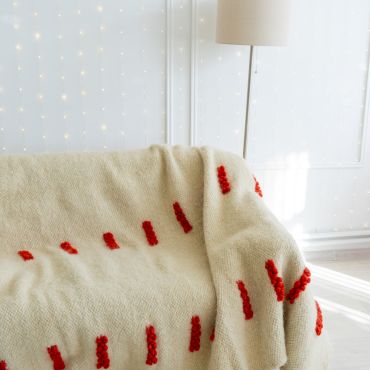

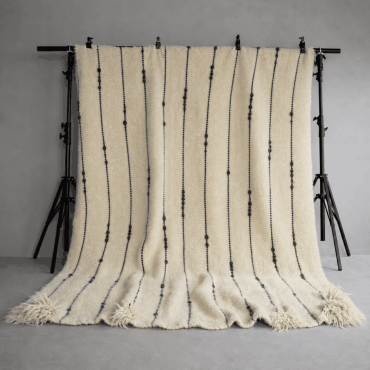
Bed Throws and Bedspreads: How to Choose Them, Style Them, and Avoid Mistakes
A bedroom is the stage where we live through the first and last moments of the day. And the bed sets the tone for the entire room. The textile on it is the first thing the eye reads: it defines the atmosphere, carries the character of the interior, and shapes how we feel the space. That is why bed throws and bedspreads are no longer just practical objects. They have become a full design tool.
We studied how Ukrainian buyers choose a throw for the bed in 2026 and saw a clear trend: people are looking for one textile piece that solves two tasks at once: it hides the bedding during the day and keeps them warm at night. In this article, we explain how throws for beds differ from classic bedspreads, how to read their materials, colors, and textures, how to fit a throw-bedspread into a specific interior style, and what to avoid when buying one.
What bed throws and bedspreads are and why they replaced classic bedspreads
A classic bedspread is a decorative layer placed over a made bed during the day and removed in the evening. A classic throw is a warming textile you wrap yourself in on the sofa or use over a duvet. Take one step toward a hybrid, and you get a throw-bedspread for the bed: an item that stays on the bed all the time and works equally well in two roles.
This format became popular for several reasons. First, the pace of life has become faster, and people do not want to remake decorative layers every day. Second, the trend toward soft minimalism has made the bed the main focus of the bedroom, which means the textile on it must withstand daily use, not just look good in photos. Third, attention to tactile sensations has grown: texture, pile, warmth are not minor details, but the foundation of how the room embraces you in the evening.
Bed throws and bedspreads combine the density of a bedspread with the softness of a throw. They are large enough to cover the mattress together with the pillows. And they are light enough to remain part of your daily routine: no constant folding, no washing three times a week, no fear of creasing.
Types and constructions of bed throws and bedspreads
The market for throws for beds is very diverse. To avoid getting lost in the options, we will look at the main constructions. Each has its strengths and weaknesses.
Quilted models
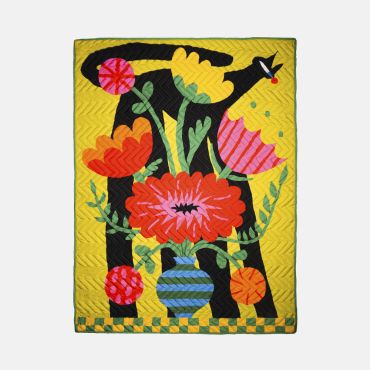
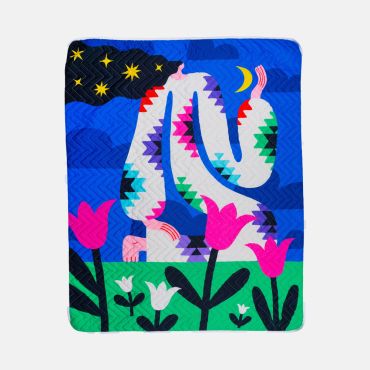
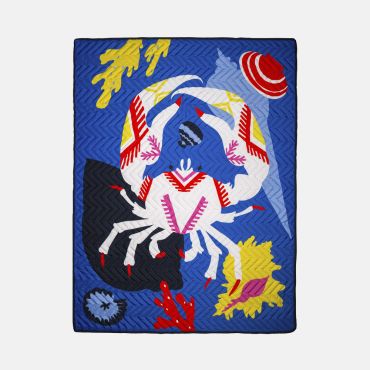
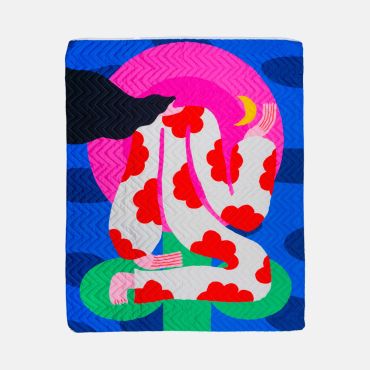
A quilted bedspread is the most practical format. It is a two-layer or three-layer construction: a front fabric layer, a filler layer (synthetic padding, hollow fiber, cotton batting, or wool), and sometimes a lower lining layer. Everything is stitched with a pattern: diamonds, lines, squares, herringbone, or a loose wavy design.
Quilting holds the shape, prevents the filler from clumping, and adds volume without weight. This type of throw-bedspread for the bed does not slide off, does not slip, and does not require a separate protective sheet underneath. The filler can be selected according to the season: thin synthetic padding for summer, a layer of wool for the cold period.
Knitted and woven throws
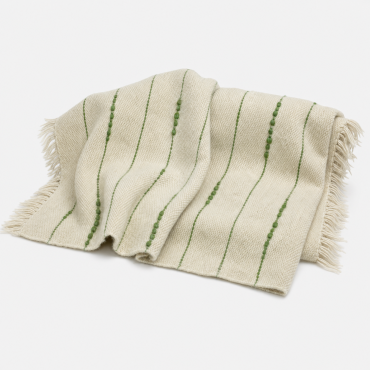
Knitted throws have a fundamentally different character. They are about texture, volume, and relief. They do not cover the bed with one perfectly smooth surface, but add a noticeable texture to the composition. In the design of such throws, the loop matters: the larger it is, the more architectural the piece looks in the interior.
A knitted throw for the bed works well as an accent layer over a simple bedspread, or on its own on a minimalist bed without extra frills. It is less practical in care and often requires delicate washing, but it gives something no quilted model can give: character.
Reversible models
Reversible models offer flexibility in everyday use. One side is light, the other is darker. One is smooth, the other is textured. You turn the throw-bedspread over and change the bedroom composition without additional spending.
This format is especially useful for those who like to vary the mood of the room or have one textile piece for both summer and winter. Reversibility also extends the life of the product: when one side begins to look tired, the other can still keep a fresh appearance for another half year.
Natural fibers
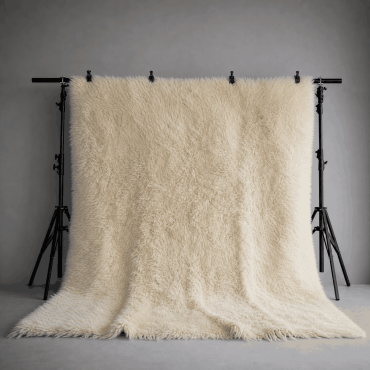
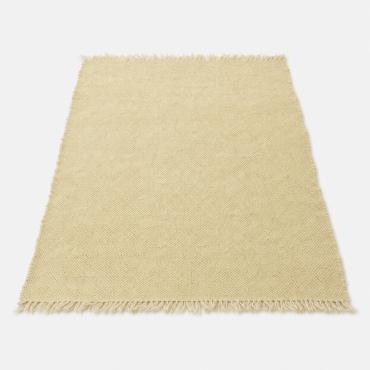
A wool throw is a separate category worth discussing on its own. Wool, whether merino, lambswool, camel wool, angora, or cashmere, gives a kind of warmth no synthetic material can imitate. Wool fiber breathes, does not accumulate odors, and regulates humidity. It has weight and texture, and that is part of its appeal.
Linen and cotton are a summer story. They do not warm in the same way, but they create a feeling of cool freshness. Linen becomes softer over time, while cotton absorbs moisture quickly and washes easily. If you do not have air conditioning, this type of throw for the bed can be a real rescue on summer nights.
How to choose a throw for the bed: five parameters
In practice, we see that seventy percent of disappointments after purchase come from mistakes in one of five parameters. Let us go through them one by one.
Size
The first parameter is simple, but it is where people make mistakes most often. Many choose a bedspread according to the mattress size and then wonder why the bed legs are visible at the sides and bottom. The correct rule is this: a throw-bedspread should hang 20-30 centimeters below the mattress height on each side, including the mattress topper.
For a standard double bed of 160x200 cm, choose a bedspread at least 220x240 cm. For a 180x200 bed, start from 240x260. If there are pillows that should remain under the bedspread during the day, add another 20-30 cm at the top.
Material
The second parameter is material. It defines not only the appearance, but also the tactile feel, temperature behavior, and complexity of care. Cotton is universal. Linen is about summer. A wool throw is about winter. Cashmere is about luxury. Synthetics are about practicality and price.
There is no single best material. There is only the one that suits your rhythm of life. If you clean the bedroom once a week and use a dryer, synthetics forgive more. If you are ready to care for textiles as part of a collection, natural fibers will repay you with years of service.
Color
The third parameter is color. There are two schools here: a bedspread that matches the walls and a bedspread used as an accent. The first gives calmness and discreet elegance. The second gives character and a compositional focal point.
We advise those who often update the interior with paintings, lamps, and accessories to choose a throw-bedspread for the bed in a neutral palette. This makes it easier to rethink the room without replacing the main textile layer. Those who have fallen in love with a specific color should choose an accent shade, but not a loud one. Warm earthy tones, muted beige, graphite, wet stone, and terracotta stay relevant the longest.
Shape and cut
The fourth parameter is cut. Most models have a rectangular shape without edge finishing. Some have piping, ruffles, fringe, or a hem. This is not just decoration: piping visually grounds the bed, ruffles make the bedroom more romantic, and fringe adds a boho mood.
If the bedroom interior is restrained and architectural, choose a version without extra details. If you want to add softness or detail, choose a model with an accent edge.
Seasonality
The fifth parameter is whether you need one universal item or two to three pieces for different seasons. A universal option is a medium-density quilted model. For summer, choose a linen or cotton bedspread. For winter, choose a wool throw or a denser quilted model.
We see two strategies among our clients: capsule, where one quality item works all year, and wardrobe, where several options are used by season. Both work. The only question is how much space in the closet you are ready to dedicate to them.
Bed throws and bedspreads in different interior styles
Every interior style has its own logic in relation to textiles. We will look at eight key directions and show which bed throws and bedspreads work in each.
Minimalism
In minimalism, there are no random objects. Textile is a quiet partner of architecture. A throw-bedspread for the bed should be the same tone as the walls or half a shade darker. The texture should be even, without relief. Colors: white, cream, ash gray, graphite, black.
The best choice is a quilted model without piping or a linen cloth with a delicate hem. No ruffles, fringe, or contrast stitching. If you choose a quilted bedspread, let the stitch pattern be as restrained as possible: narrow lines, a small diamond pattern, or a rectangular grid.
Scandinavian style
Scandinavian interiors love white, but they love it with warmth. Cotton or blended fabric with texture works well here: light relief, an honest seam, visible woven structure. Throws for beds in Scandinavian interiors are often a quilted white model plus an accent knitted throw folded at the foot of the bed.
The palette is white, gray, warm beige, soft blue, muted linen. Delicate patterns are acceptable: waves, strokes, herringbone. A wool bedspread in a muted shade, such as baked milk, oatmeal, or ash, is another reliable choice.
Loft
Loft is about industrial density, rough texture, and deep dark tones. Textile here should have weight: a dense bedspread, rough weaving, a leather underlayer, dark wool. A wool throw in a deep color such as anthracite, dark green, wine, or camel is a classic for a loft bedroom.
Avoid light summer textures and pale pastels. They get lost against a brick wall or bare concrete. Instead, a rough knitted throw with large loops or a dense quilted bedspread with a matte face layer will look exactly in place.
Contemporary style
Contemporary style is a balance between minimalism and a lived-in interior. It allows more: accent color, textural contrast, a mix of materials on one bed. A throw-bedspread for a contemporary bedroom is often layered: a dense quilted base plus a light wool or linen throw on top.
Colors range from neutral to deep and saturated: olive, terracotta, graphite, burgundy, wet stone. The pattern is graphic, but not intrusive. Everything works toward creating a composition where the bed becomes the center of the room.
Japandi
Japandi is a synthesis of Japanese minimalism and Scandinavian coziness. Textile here is calm, warm, natural, and free from excessive detailing. The palette includes cream, sand, warm gray, dark walnut, and soft black.
Linen cloths, cotton percale, and light wool without patterns work best. A throw-bedspread for a Japandi bedroom is almost always one layer without ruffles or fringe. Texture is present, but restrained. If you choose a quilted model, let the pattern be barely visible, felt more by touch than by sight.
Mid-century modern
This style is about the 1950s, retro silhouettes, warm wood tones, and a characteristic color palette: mustard, terracotta, olive, dark turquoise, chocolate brown. Textile here plays the role of a color focus: the bedroom can be neutral, but the throw for the bed should have character.
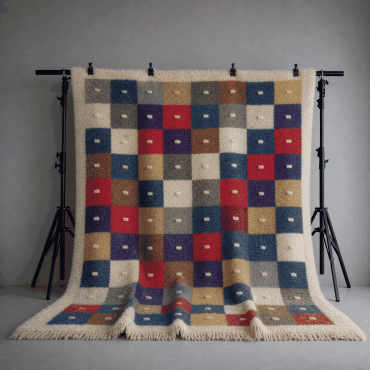
Models with geometric patterns, color blocking, and accent piping work well. Materials include dense cotton, wool, and chenille. Avoid very contemporary minimalist fabrics, as they break the retro mood of the room.
Eclectic interiors
Eclectic style allows everything, and that is exactly why it is the most difficult. Without clear logic, the room turns into storage. That is why bed throws and bedspreads in an eclectic interior should create connection: they should pick up one of the colors already present in the room, such as a lamp, rug, painting, or frame.
Bold patterns, unusual textures, and contrasting layers are acceptable. But one rule is unshakable: the textile must have a reason to be here. If it is a grand vintage throw, it should echo another vintage object in the room. If it is an ethnic model, the interior should contain another voice from the same culture.
Soft contemporary interior
Soft contemporary is a trend of recent years. These are rooms with rounded forms, no sharp corners, tactile materials, and a warm pastel palette. Throws for beds are the heart of the composition here. They should feel as soft to the touch as they look.
Cotton or blended quilting with a rounded pattern works best: waves, circles, irregular organic shapes. Light wool models without rigid relief and cashmere throws also fit well. The palette includes caramel, latte, warm sand, vanilla, dusty rose, and soft lavender. Everything that feels like an embrace.
Integrating bed throws and bedspreads into small and large spaces
The size of the bedroom affects not only the size of the bed, but also how textile is perceived in the room.
Small bedrooms
In a bedroom under 10 square meters, every item works twice: it must be functional and avoid overloading the space. Here, it is better to choose a throw-bedspread for the bed in the wall palette. This visually dissolves the bed and makes the room feel lighter. Avoid loud colors and complex patterns.
One textile layer is optimal. Do not add another throw on top, rows of decorative pillows, and a bench at the foot of the bed. The fewer fragments there are, the calmer the space looks. If you want to add depth, choose a reversible model and change the side from time to time. This shifts the mood without increasing the number of objects.
Spacious bedrooms and master bedrooms
In large rooms, the bed often becomes a compositional island, and the textile must match that scale. One thin throw on a large bed can look empty. A two-layer composition works better: a dense quilted bedspread plus an accent wool throw at the foot of the bed. This creates the necessary visual weight.
Large wool throws with pronounced texture work well in master bedrooms. A chunky wool throw folded into a narrow roll over the bedspread is a detail that turns a functional room into a designed one. Do not be afraid of scale: a large space forgives more.
What to pay attention to before buying
Several technical details matter.
The fabric composition is always on the label. One hundred percent cotton and a 70/30 cotton-polyester blend behave differently during washing and use. If you plan to wash often, a blended composition is more wear-resistant. If you want breathable material, choose natural fiber without additives. If you are sensitive to smells, synthetic fabrics often have a barely noticeable chemical note during the first airing, which disappears within a week or two.
Fabric density is indicated in grams per square meter. For a winter bedspread, look for 250 g/m² and higher. For summer, 150-180 g/m² is enough. Quilted models also have the filler density listed, and warmth depends on this. As a guide: 150 g/m² of filler is for the transitional season, 250-300 g/m² is for winter, and 80-100 g/m² is for summer.
Stitch quality is something you can see immediately. Seams should be even, without gaps or pulled threads. Turn the bedspread over and look at the reverse side: it should be as neat as the front. If the manufacturer did not give enough attention to the wrong side, it signals their overall attitude toward quality.
Check the piping. Edge binding around the perimeter is not just decoration. It keeps the edges from fraying and determines how evenly the bedspread will lie on the bed. Thin, well-tensioned piping is good. Rough, uneven piping with visible joins is not.
Common buyer mistakes
We see these mistakes every day, and we want you to avoid them.
The first mistake is buying from an online photo. In a photo, the color and texture may look different from how they will appear in the real light of your bedroom. If possible, order a fabric catalog or sample. If not, choose a neutral color that will definitely fit.
The second mistake is saving on size. A quilted bedspread that is slightly shorter than needed is a visual problem. It is better to pay more for a larger size than live with edges that constantly slide out of place.
The third mistake is ignoring care. A cashmere throw that needs dry cleaning once a month is not a good option for a family with two children and a cat. First, answer honestly how often you will wash it, and only then choose the material.
The fourth mistake is buying a set together with bed linen. In ninety percent of cases, such sets look synthetic and catalog-like. It is better to build the composition yourself from items that suit your room.
The fifth mistake is forgetting about the front and reverse sides. Some models have fundamentally different sides, and if you place them the wrong way, you lose half of their aesthetic value.
Care and everyday use
A quality throw for the bed lasts for years if you know how to handle it.
Wash according to the label. Most quilted models tolerate machine washing at thirty degrees on a delicate program. Wool and cashmere should be washed only by hand with a special detergent or taken to dry cleaning. Linen can be machine washed without problems, but it should be washed with a softener; otherwise, the fiber becomes coarse.
Drying is best done horizontally, especially for heavy quilted models and wool. Wool shrinks in the dryer. Quilting can lose shape if dried vertically on a line, because the filler slides downward. Lay the throw horizontally on a table or mesh drying rack.
Ironing is rarely needed. Quilted models usually smooth out under body weight overnight. Linen can be ironed slightly damp. Wool should not be ironed at all.
For daily use, air the textile once a week: open the window and fold the bedspread back for 20-30 minutes. This extends the life of the material and prevents moisture and odors from accumulating. If there are pets in your home, air it more often, because hair and smells gradually accumulate in the fibers.
Seasonal storage is a separate matter. A winter wool throw should be folded for summer only after washing or airing for several days, then placed in a fabric cover. Do not use polyethylene, because it does not breathe. Add a small sachet with lavender or cedar shavings against moths. Do not use mothballs: they have a sharp smell that is almost impossible to remove from wool. Store the bedspread folded horizontally or rolled to avoid deep creases.
Stain removal depends on the type of stain. Coffee and wine need cold water and a mild product immediately, without rubbing. Grease needs corn starch or talc to pull it out of the fiber. Blood needs cold water, because hot water sets the stain. Ink should be treated with alcohol applied locally. In all cases, test the product first on an invisible area.
Designer and custom solutions
Serial models cover ninety percent of needs, but there are cases when it is better to order a custom throw-bedspread for the bed.
The first case is a non-standard bed size. If your mattress has an unusual width or length, which often happens with European beds and custom models, a standard bedspread simply will not fit. It is better to make one custom piece than live with something unsuitable.
The second case is special fabric requirements. Allergy to synthetics, hypersensitivity to dyes, or the need for a specific shade that cannot be found in catalogs are all reasons to consider custom sewing.
The third case is a design project where the bedspread is read as part of the composition together with curtains, the headboard, and the rug. Here, a custom order gives control over all parameters at once: tone, texture, size, and edge finishing.
The practical value of a quality throw-bedspread
One properly chosen item is an investment that solves several problems at once. It protects the mattress and pillows from daily contact with dust and pet hair. It warms you at night when the duvet feels insufficient. It hides the bedding during the day and makes the room visually complete. It also supports the bedroom microclimate: breathable natural textile regulates humidity and prevents the body from overheating or getting cold.
If the textile is chosen correctly, it lives with you for five to ten years without losing its appearance. If not, you replace it every two years, losing money and time. That is why we always advise investing a little more in textile now instead of saving on it every year. One quality item often costs the same as two or three budget pieces bought one after another and thrown away after a year.
Another value of a quality bedspread is that it does not demand special attention. It does not slide off, bunch up, or change shape after washing. You place it on the bed and simply keep living. The less an object reminds you of itself through problems, the more pleasure its presence brings.
Why it is worth buying bed throws and bedspreads at MAIIMO
At MAIIMO, we have collected a selection of bedroom textiles from young Ukrainian studios and craft workshops that make things slowly and with respect for the material. All bed throws and bedspreads in our catalog are locally made products that we have checked for seam quality, texture, and behavior after washing.
We do not chase assortment. We curate. That is why we do not have dozens of identical models. We have several dozen truly different ones, each with its own character. Most models are available in several sizes and two or three color variations, while selected pieces can be made to order.
We work with a comprehensive approach: if you are designing a bedroom from scratch, our team can help select textiles so they work with the bed, headboard, curtains, and lighting from one catalog space. This saves time on searching and removes the risk of “it does not match” after delivery.
Local production is not a slogan for us, but an approach. The workshops we work with are located in Ukraine, which gives a short production cycle and the ability to make adjustments quickly. It is also an ecological advantage: a shorter logistics route means a smaller carbon footprint. And it supports Ukrainian craft at a time when it needs that support most.
10 FAQ
What size throw-bedspread should I choose for a 160x200 cm double bed?
For a standard double bed of 160x200 cm, choose a throw-bedspread at least 220x240 centimeters. This is the basic minimum that gives a drop of about thirty centimeters on three sides. If you have a high mattress over 25 cm or a bulky mattress topper, add another ten to fifteen centimeters to each side.
If you want the pillows to remain covered by the bedspread during the day, add another twenty to thirty centimeters to the length. Then the optimal size is 240x260 cm. For double beds with a wide frame that extends beyond the mattress, measure the bed itself rather than the mattress and add twenty-five to thirty centimeters of drop.
What is the difference between a throw-bedspread, a regular bedspread, and a regular throw?
A classic bedspread is a decorative layer placed over a made bed during the day and removed in the evening. It is usually dense, heavy, and not very pleasant to touch from the reverse side. A classic throw is the opposite: light, soft, and warming, usually kept on the sofa or used over a duvet.
A throw-bedspread for the bed combines both functions. It is large and decorative enough to cover the bed during the day, while also soft and warm enough to be comfortable at night. It is a hybrid that does not require daily remaking and works as the main textile layer of the bedroom.
What is the best material for a throw for the bed?
There is no universally best material. There is only the one that fits your lifestyle. Cotton is universal, easy to wash, and neutral in warmth. Linen is for summer: cool, relaxed, and naturally creased. Wool is for winter: it holds warmth and breathes. Cashmere is soft and light, but requires delicate care.
If you clean often and use machine washing, choose quilted cotton or a cotton-polyester blend. If you want a natural material that will serve for years, choose a merino wool throw or dense cotton. For people with allergies, hypoallergenic cotton without chemical treatments is a good option.
How should I wash a throw-bedspread for the bed?
Always check the label: it shows the temperature, washing mode, and whether machine drying is allowed. A standard quilted cotton model can usually be washed at thirty degrees on a delicate cycle, without spinning or with minimal spin. Wool and cashmere should be washed only by hand with a special detergent and never wrung out.
After washing, dry it horizontally, preferably on a mesh drying rack, so the filler distributes evenly. Avoid dryers, because many fillers and natural fibers cannot tolerate high temperatures. Iron only when needed and only materials that allow it, such as linen.
How many bed throws and bedspreads do I need?
It depends on your strategy. A capsule approach means one universal medium-density item that works all year. This is the most economical option, but it requires compromise: it may feel warm in summer and not warm enough in winter.
A seasonal approach means two or three items: a light linen or cotton piece for summer, a dense quilted one for the transitional season, and a wool throw for winter. This costs more and takes up space in the closet, but gives maximum comfort throughout the year. A third option is two items: one main universal quilted bedspread and one accent wool throw at the foot of the bed.
Can I use a throw-bedspread instead of a duvet?
Yes, but with some limitations. A medium- or high-density quilted bedspread can fully replace a light duvet during the transitional season. It is warm enough, holds its shape, and does not slide off the body.
For winter, it is usually not enough. On cold nights, one bedspread may feel too cool. In that case, it is used as a second layer over a standard duvet. In summer, the opposite applies: a light linen bedspread can be the only cover if the bedroom has air conditioning or an open window.
How do I choose a throw-bedspread color that will not feel outdated in a year?
Neutral earthy tones remain relevant the longest: warm beige, cream, ash gray, graphite, wet stone, muted terracotta, dark green, and dark walnut. They do not depend on short-lived trends and are easy to combine with different room elements.
Avoid very bright pure colors, such as neon, pure blue, and pure red, as well as complex patterns with a specific trend association. A throw for the bed in a loud palette quickly reads as belonging to one season and goes out of fashion with it. If you want color, choose a deep, saturated, but not neon shade.
Is a wool throw suitable for people with allergies?
Wool itself is not an allergen. Allergic reactions are usually caused not by the fiber, but by dust mites that can live in textile. If you have a confirmed dust allergy, choose merino wool models with anti-mite treatment or synthetic alternatives, such as microfiber or fleece fabric.
If you are allergic specifically to lanolin, the natural fat in wool, avoid untreated wool. Look for models with superwash treatment. This special process removes lanolin and allows a wool throw to be machine washed. Before buying, ask for a test sample and apply it to your skin for 24 hours.
How do I choose a throw-bedspread for my interior style?
The first step is to define the main style of the room: minimalism, Scandinavian, loft, Japandi, or another direction. Each style has its own colors, textures, and formats. Minimalism means even surfaces and a monochrome palette. Scandinavian style means a white base with accents. Japandi means natural warm tones.
The second step is to choose a model that repeats one of the colors already present in the room: a lamp, rug, curtains, or artwork. This creates a visual connection. A throw-bedspread that acts as another voice in the composition, rather than an isolated item, always works better.
How can I tell if a throw-bedspread is high quality?
Check four parameters. The first is fabric composition: it should be honestly listed on the label. If it says one hundred percent cotton, the material should feel warm, crease slightly, and not shine. If it is a blend, pay attention to the proportions.
The second parameter is seam quality: stitches should be even, without gaps or pulls. The third is the texture of the reverse side: it should be as neat as the front. The fourth is density: light models under 150 g/m² hold their shape poorly, while very dense models over 400 g/m² can feel stiff. The optimal range for bed throws and bedspreads is 200-350 g/m², depending on the season.