Decorative wall panel
A wall panel adds more than decoration to a wall. It brings texture, quietness and the feeling of a living material. MAIIMO curates decorative wall panels for interiors where softness, handwork, natural fibers and a calm focal point matter: living rooms, bedrooms, hallways, workspaces and intimate commercial spaces.
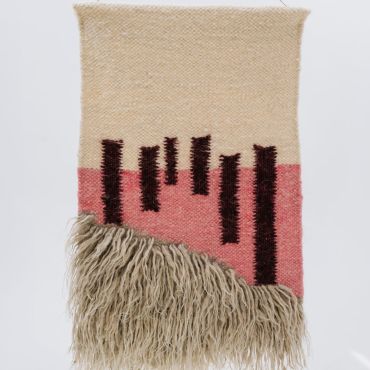
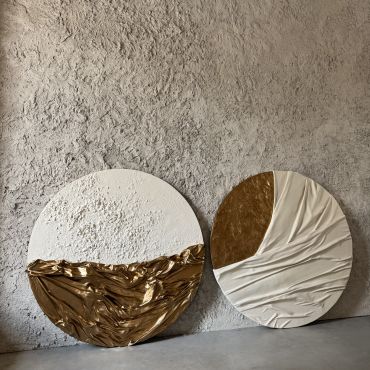
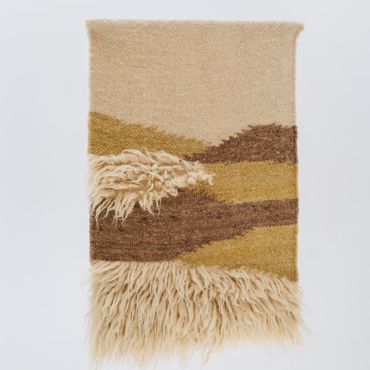
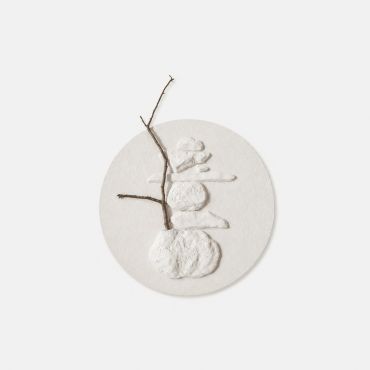
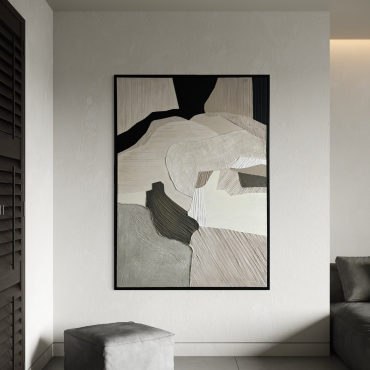
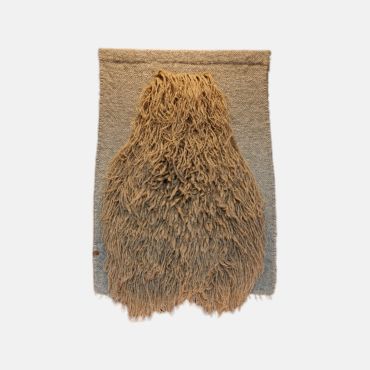
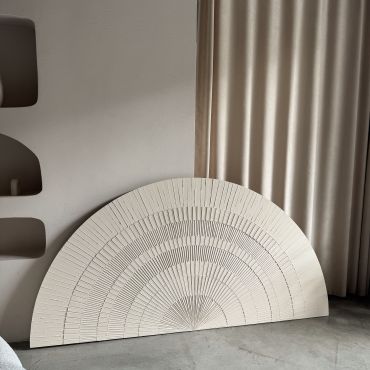
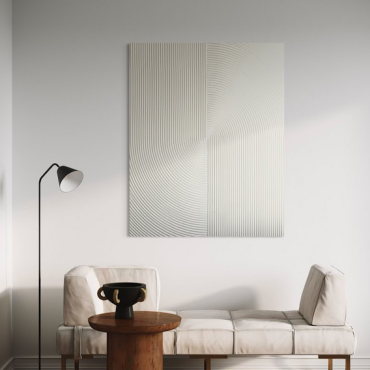
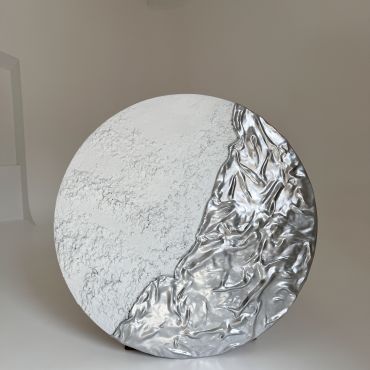
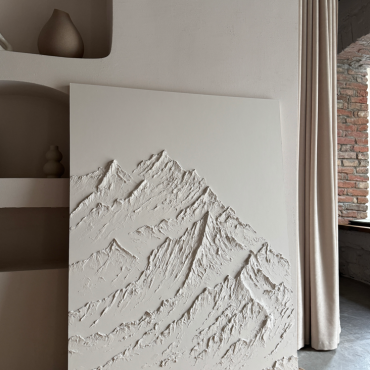
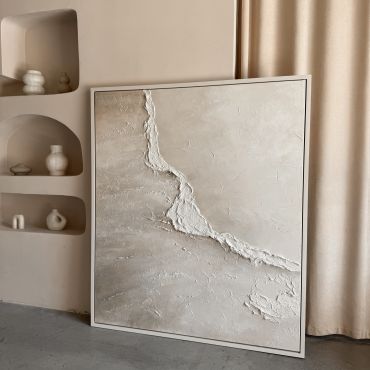
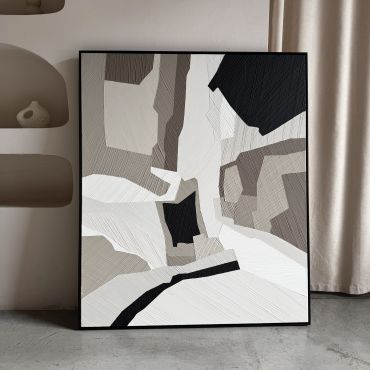
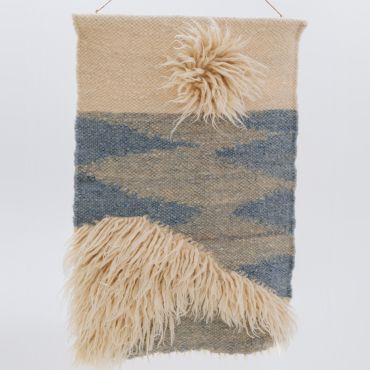
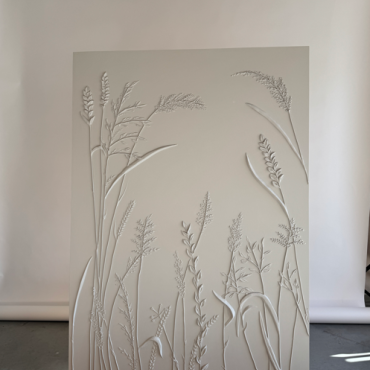
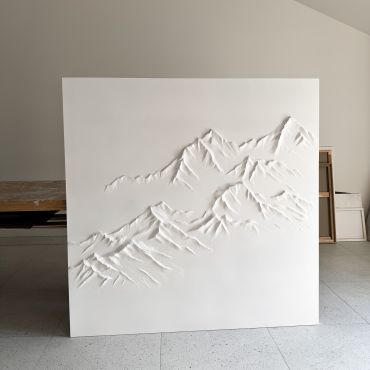
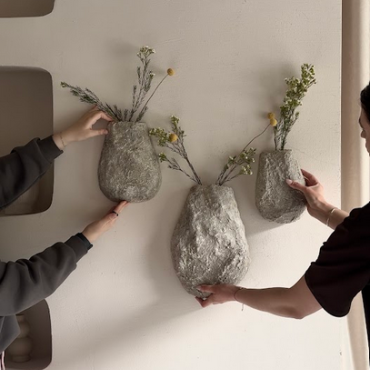
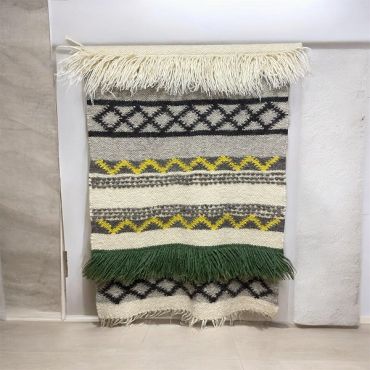
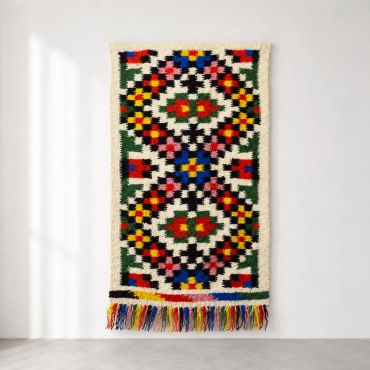
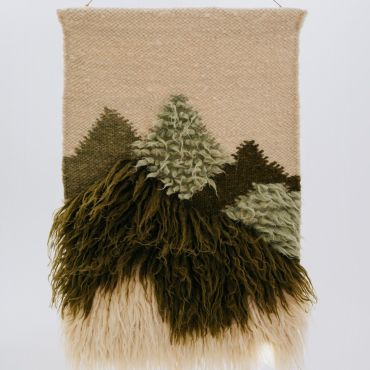
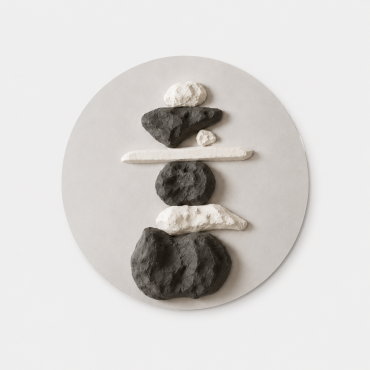
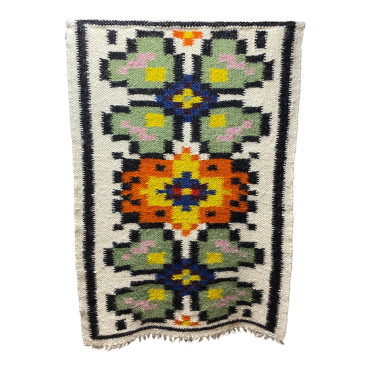
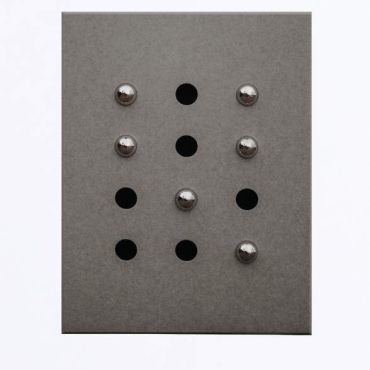
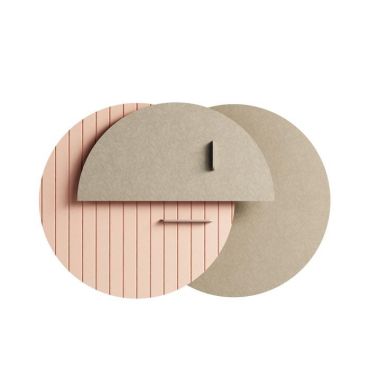
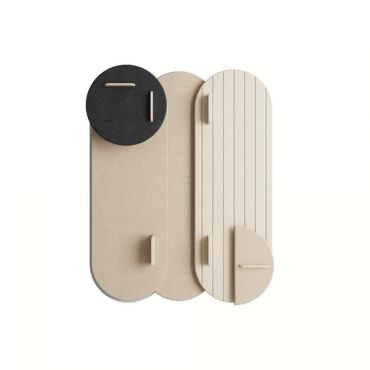
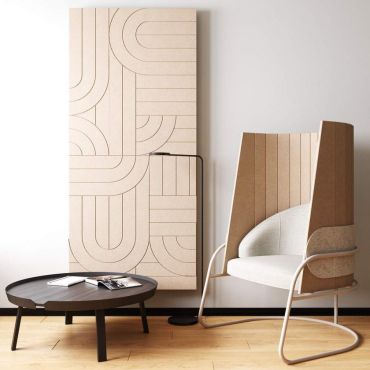
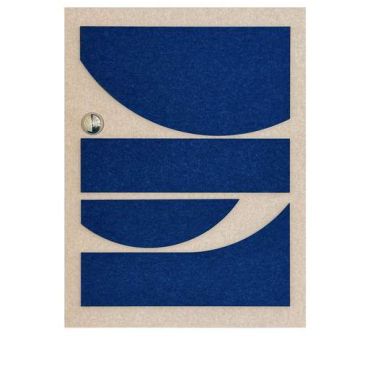
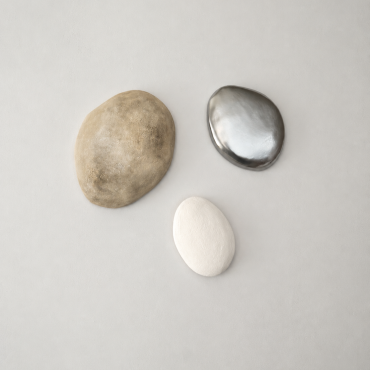
Decorative wall panel: texture that changes the room
A decorative wall panel works best when a wall does not need more color, but more presence. A painting adds an image. A poster adds graphic rhythm. A wall panel adds material: wool, fabric, threads, volume, shadow and the irregular pace of handwork. That is why it feels so natural in contemporary interiors, where people want fewer random objects and more pieces with body, character and the sense of touch.
At MAIIMO, we look at a wall panel decor piece as an interior accent that does not have to shout. It can quietly gather the room around itself: support a sofa in the living room, make a bedroom warmer, give the hallway its first expressive note or soften a work corner. Textile, wool and textured fibers do this gently. No gloss. No decorative noise. Just the kind of quiet confidence that makes a room feel considered.
This article focuses on textile, wool and textured wall panels. Wooden, mirror, polygonal and DIY craft panels belong to other product groups, with different materials and different use cases. For MAIIMO, the focus has to stay clean: wall panel decor that works as part of an interior, not as a random object placed on an empty wall.
What is a wall panel and how is it different from a painting?
A wall panel is a decorative composition made for a wall or another vertical surface. It can be flat, relief-based, textile, wool, woven, ceramic, wooden, metal or mixed in materials. In this category, the main interest is the textile and tactile nature of the object. A textile wall panel does not simply cover an empty space. It changes the feeling of the wall and makes it warmer, closer, less cold.
A painting usually works through an image: a subject, a color field, a composition, an artist's gesture. A wall panel often works through surface. Thread, pile, weave, unevenness, thickness and handmade rhythm matter. Even when the panel is almost monochrome, it is not empty. Light moves across the texture, shadow changes during the day, and the material behaves more alive than a printed surface.
That is why wall panels feel especially good in interiors that already use tactile materials: wood, linen, wool, ceramics, matte metal, stone, painted walls with a quiet depth of color. A panel does not compete with the furniture. It gathers it into one visual frame.
Textile, wool and textured wall panels
A fabric wall panel is a good choice when you want softness without too much decoration. Fabric can be smooth, woven, relief-based, appliqued or built as a complex surface. It works well in bedrooms, children's rooms, lounge zones, salons, small cafes and spaces where the feeling matters as much as the image.
A wool wall panel has a different energy. Wool adds warmth both visually and physically. Its pile, volume and uneven surface create the feeling of a handmade object. It is not a perfect industrial plane, and that is precisely its strength. A wool panel can become a calm center of the room, especially near a rug, a lizhnyk, a soft armchair or textiles in a related palette.
A panel made of threads and fibers often feels lighter. It has more air, more lines, more movement. Threads can form a vertical rhythm, soft waves, geometry or an almost sculptural surface. This format is useful when you do not want to overload the wall with color but still want to give it depth.
Textured wall art brings these formats together. The key is not a subject or an illustration, but the surface itself. If an interior is built on calm colors, a textured panel can become the element that does not break the composition, but finally makes it complete.
Wall panels for the living room, bedroom and hallway
In a living room, a decorative wall panel often works above a sofa, next to an armchair, above a console or in the zone where the whole room comes together. The task is not to find "something for the wall", but to understand scale. A small panel on a large wall can disappear. A panel that is too large can take all the air. A good rule is simple: the panel should relate to the furniture below it, not live separately.
Above a sofa, a horizontal or gently stretched composition often works well. In a narrow wall section, a vertical panel can be better. Near an armchair or floor lamp, a smaller panel can create a quiet scene: a place for reading, talking or pausing. If the room already has an active rug or a colorful sofa, choose a calmer panel. If the furniture is minimal, the texture can be bolder.
In a bedroom, the rhythm changes. A wall panel should not overstimulate the space. Above the headboard, soft wool and textile surfaces, muted colors, natural shades and delicate geometry work especially well. A panel can replace a classic painting or become a warm background that supports bed linen, a throw, a lizhnyk or bedside lighting.
In a hallway, the panel often shapes the first impression. A small space does not mean the decor has to be random. One tactile object can make an entrance feel much more collected. Near a console, hooks, a mirror or a bench, a panel helps create the feeling of entering a home where details were chosen with care.
How to choose size, color and texture
Before you buy a handmade wall panel or a textile piece, look not only at the object, but at the wall it is meant for. How high is the ceiling? How much space is around it? Is there a lamp nearby? What color is the furniture? Will the panel be the only accent or part of a group with paintings, a mirror or shelves?
Size should support the architecture of the room. For a large wall, it is better to choose one visible panel or a group of several elements. For a smaller space, a lighter composition will keep the room open. If the panel is placed above furniture, leave a visual pause between the piece and the top edge of the furniture. Not too much, so the objects do not split into two unrelated stories. Not too little, so the wall does not feel compressed.
Color can be chosen in two ways. The first is tone-on-tone with the interior. Then the panel works softly, almost architecturally: it adds relief without arguing with the palette. The second is contrast. This is useful when the room is simple and needs a point of attention. MAIIMO is closer to the first approach: not colorlessness, but subtle work with shades, where wall, textile, wood and light speak in one register.
Texture depends on the feeling you want to create. Smoother fabric gives restraint. Wool adds warmth. Long threads create movement. A relief surface works with shadow. If the room already has many materials, choose a calmer texture. If the interior is too smooth, the wall panel can bring the depth it is missing.
Wall panels in different interior styles
In minimalism, a wall panel should be a precise gesture, not decoration for decoration's sake. Calm form, neutral color, clear texture. Milk, grey, graphite, sand and clay tones work well. When chosen carefully, the panel does not disturb the clean space. It makes it more human.
In Scandinavian interiors, light, wood, textile and warmth matter. A textile or wool panel fits naturally here. It can support a light floor, natural upholstery, a wool rug or linen curtains. Soft colors and a visible but not aggressive texture usually work best.
In loft interiors, a wall panel helps remove excessive coldness. Concrete, brick, metal and dark surfaces often need a soft counterpoint. Here you can use rougher texture, a larger size, darker or more contrasting threads. The key is not to turn the wall into a stage set. Loft accepts honest materials, but it does not love random decoration.
In a contemporary interior, a panel can take many forms as long as it supports the overall composition. Contemporary rooms like clean silhouettes, good materials and thoughtful accents. If the furniture has rounded forms, a soft panel rhythm can echo them. If the room is geometric, a clearer composition may feel more natural.
Japandi needs quietness. A wall panel in this style should not look like a decorative insert. Natural fibers, handmade texture, asymmetry, warm neutrals and the feeling of imperfect material work better. The panel can be very simple, and that simplicity is exactly what gives the room depth.
Mid-century modern loves graphics, wood, rich accents and confident forms. Here the panel can be bolder in color or rhythm. It works well above a low cabinet, near a vintage chair or beside warm lighting. The texture should not fight with the iconic furniture silhouettes. It should strengthen them.
In eclectic interiors, a panel can become a bridge between different objects. If a room has ceramics, old wood, a contemporary sofa and an authored light fixture, textile texture can gather the mix into one mood. Eclectic does not mean chaos. It needs points that hold the composition. A panel can be one of them.
In a soft contemporary interior, with rounded shapes, warm fabrics and muted light, a wall panel works almost effortlessly. Wool, boucle, weaving, relief and a calm palette all feel right here. The wall does not need to be decorated loudly. It only needs a surface that makes you look a little longer.
What to combine with a wall panel
Wall panel decor rarely lives alone. It opens up best near objects that support it through material, rhythm or mood. If the panel is wool or textile, it naturally works with rugs, throws, lizhnyky, soft armchairs, cushions, wood and ceramics. The room becomes not a set of separate purchases, but a complete scene.
For deeper texture, look at lizhnyky. They support the same logic: wool, craft, warmth, Ukrainian textile. A panel on the wall and a lizhnyk on the sofa or bed do not have to come from one collection, but they should speak the same language. A shared palette, a related texture or a similar handmade feeling is often enough.
If you want the wall to feel more like a gallery, combine a panel with interior paintings. The important thing is not to mix everything at once. One painting, one textured panel, enough air between them - and the wall already feels alive. If there are too many objects, the texture disappears.
Lighting matters enormously. Near a wall sconce, a panel becomes more dimensional because shadow starts working across the surface. Evening side light shows the relief of wool, threads or fabric especially well. That is why the panel should not be separated from the lighting plan. In a dark corner, even a strong texture can vanish.
The decorative composition around a panel can include vases, a console table, ceramics, a small sculpture or books. But it is better to stop earlier than you think. A panel needs air. If there is too much small decor nearby, it loses its calm.
Small and large spaces: how not to miss the scale
In a small room, a wall panel should not become a visual wall inside the wall. Lighter tones, softer relief and vertical or airy compositions are usually better. If the space is narrow, a vertical panel can visually stretch the wall. If the ceiling is low, avoid heavy dark compositions placed too high or too close to furniture.
In a large room, the opposite risk appears: the piece can get lost. A small panel on a wide wall will feel accidental, even if it is beautiful on its own. Here it is better to think in scale: one large panel, several related elements or a composition with enough visual weight. This is especially important in open-plan living rooms, studios, waiting areas and showrooms.
Another common mistake is choosing a panel without considering the viewing distance. If it hangs in a hallway, people see it up close, so the texture can be subtle and detailed. If it is on the far wall of a living room, it needs a larger form, clearer rhythm or stronger contrast.
What to consider before buying
Start with the wall. Not with the product, not with the trend, not with a random image you saved. The wall itself will suggest what it needs: verticality, horizontality, quietness, contrast, a large gesture or a small detail. Then look at the furniture nearby. If there is a sofa, armchair, console or bed near the wall, the panel has to work with it as one ensemble.
The second step is material. Fabric and wool are good when you want warmth. Threads are good when you need movement and lightness. Relief is useful when the wall should come alive in changing light. If the room already has many textures, choose a calmer panel. If the space is too smooth, allow the material to be bolder.
The third step is care. A textile or wool panel does not like excess humidity, rough rubbing, strong direct sunlight or greasy kitchen air. It is better placed where people will not constantly touch it, where there are no splashes and no sharp temperature changes. Bathrooms, kitchens and open terraces need other types of wall decor.
And one more thing. Do not buy a panel only because "the empty wall needs something." An empty wall can be beautiful. A panel is needed when it adds a new layer to the room: warmer, deeper, more alive.
Common mistakes when choosing a wall panel
The first mistake is wrong scale. A piece can be beautiful, but if it is too small for the wall, the impression will be weak. In that case, choose a larger format, create a group of several elements or move the panel to a more intimate zone.
The second mistake is too much visual activity. Textile and wool already have their own energy. If you add many colors, a complex background, active furniture and several decorative objects nearby, the room gets tired. A wall panel needs room to breathe.
The third mistake is ignoring light. In daylight, a panel may look soft and quiet, then disappear in the evening. Or the opposite: with side lighting, it suddenly becomes the main accent. If you can, plan local lighting together with the panel.
The fourth mistake is copying an image without considering your own home. A panel can look perfect in a photo because it sits in the right palette, scale and light. In your interior, it needs its own conditions. That is not a problem. That is simply how real rooms work.
Material as the main character
In a textile wall panel, material is not secondary. It is the main character. Before choosing, look at it closely: do you want to touch the surface, does it have depth, does it look flat, does it hold its form, does it feel too decorative for your interior? A good panel does not have to be complicated. But the material has to be convincing.
Wool creates warmth and weight. Boucle adds a soft, cloud-like surface. Rough weaving brings the object closer to craft. Fine threads give lightness and movement. Dense fabric can look almost architectural, especially when the form is simple. Once you understand the material, the choice becomes calmer. You are no longer searching for "a beautiful panel"; you are choosing a specific feeling for a specific wall.
Natural fibers behave well near other natural materials. A wooden cabinet, a ceramic vase, linen curtains, a wool rug, matte paint on the wall - all of this supports the panel without extra decoration. In this kind of composition, loud color is not necessary. Texture does the work.
Custom pieces and handwork
A handmade wall panel has one important advantage: it does not look sterile. It may have a slight unevenness, a change in rhythm, a living line, a trace of material. These details make the object warmer. In a world where many things look perfectly identical, handmade texture returns a human feeling to the room.
A custom solution makes sense when you have a difficult wall, a non-standard size, a specific palette or a very precise interior idea. Maybe the panel needs to support the color of a sofa, complete a composition above a long console, create a soft accent in a hotel room or connect with an existing rug. In those cases, a ready-made piece may be close, but not exact.
At the same time, individuality does not mean complexity. Often the best custom panel is very restrained. The right size. The right texture. The right pause on the wall. The object does not have to announce that it was made specially. It should look as if it always belonged in the room.
The practical value of a good wall panel
A good wall panel does not solve every interior task. It should not. Its strength is different: it adds the final layer where furniture and lighting have already created the base. It is an object of the last meter. The one that makes a room not simply furnished, but alive.
That is why we recommend treating it as an interior object, not a small accessory. Ask the same questions you would ask about furniture: is the scale right, is the material good, will it last, does it truly belong here? When the answers are honest, the panel does not feel like an accidental purchase. It becomes part of the home.
Care for textile and wool wall panels
Textile and wool wall panels do not require complicated care if they are placed correctly from the start. The best location is a dry wall without constant direct sun, away from a stove, sink, strong radiator heat and zones where people will often touch the object. For regular care, a soft dry brush, gentle shaking or a vacuum cleaner on low power with a textile attachment is usually enough.
If a stain appears, do not rub the surface aggressively. Wool and threads can change structure. It is better to blot the area gently with a dry or slightly damp cloth and, if the material is delicate, use professional cleaning. This is especially important for light, relief-based and handmade pieces.
A panel made of natural fibers may change slightly over time. That is normal. Handmade texture should not look sterile. Its beauty is in the living quality of the material. But this living quality should be protected: do not hang the piece in high humidity, do not dry it with hot air, do not use aggressive chemicals.
Why buy a decorative wall panel at MAIIMO
MAIIMO curates interior objects not as a random catalog, but as a considered selection. We are interested in pieces with character: objects that do not simply fill space, but shape the feeling of a home. That is why a handmade wall panel, a textile accent or a wool surface fits naturally into our view of interiors. You can see the material, the craft and the idea.
At MAIIMO, a wall panel can be chosen not separately, but in the context of the whole room. You can match it with a rug, a lizhnyk, a wall sconce, a vase, a console, an armchair or other decor. This matters because a wall rarely exists by itself. It works with furniture, light, textiles and proportions.
We recommend choosing a panel through a real scenario. Which room is it for? From what distance will you see it? What light falls on the wall? Do you need a calm background or a stronger accent? This kind of thinking makes the purchase more precise. And more beautiful in real life, not only in a photo.
Because this category starts from scratch, MAIIMO has to keep the assortment honest. If wooden panels are not part of the current selection, the page should not pretend otherwise. It is better to show clearly what is strong already: textile, wool, texture, Ukrainian design, handwork and decorative objects that bring warmth into the interior.
This also helps the customer understand the category faster. You do not arrive in an abstract section of wall decor, but in a clear selection: soft materials, textile surfaces, wool accents, wall objects that can be imagined in a real room. This clarity matters in a small apartment, a spacious home and an interior collected slowly over time. A wall panel does not have to be the first object in a room. Often it comes last - and that is when everything finally falls into place. There is a special pleasure in that: the final detail does not shout, but quietly explains why the room suddenly feels complete, warm and truly yours.
10 FAQ
What is a wall panel?
A wall panel is a decorative composition made for a wall or another surface. It can be made from fabric, wool, threads, ceramics, wood, metal or mixed materials. At MAIIMO, this category focuses on textile, wool and textured wall panels for interiors.
How is a decorative wall panel different from a painting?
A decorative wall panel usually works through material and surface, not through a painted subject. A painting gives image, color and artwork. A panel adds volume, relief, shadow and tactility, and it can be expressive even without a drawing.
Which wall panel should I choose for a living room?
Choose a wall panel for a living room according to the scale of the sofa, armchair, console or wall nearby. Above a large sofa, a more visible format or a composition of several elements often works best. In a smaller corner, one soft textured accent may be enough.
Is a fabric wall panel good for a bedroom?
Yes, a fabric wall panel is a good choice for a bedroom because it adds softness without creating visual noise. Calm shades, natural fibers, wool, boucle, weaving or light relief work especially well near the headboard.
How do you care for a wool or textile wall panel?
A wool or textile wall panel is best cleaned dry: with a soft brush, gentle shaking or a vacuum cleaner on low power. Do not rub the surface, use aggressive chemicals or hang the panel in humid areas.
At what height should a wall panel be hung?
A wall panel decor piece is usually hung so that its center sits around eye level. If it is above a sofa, bed or console, leave a visual pause between the furniture and the panel, but do not separate them too much.
How do I choose the size of a panel above a sofa or bed?
The panel should relate to the width of the sofa or bed. A piece that is too small will get lost; a piece that is too large can feel heavy. If in doubt, tape a paper template to the wall before buying. It helps you see the real scale.
What should I combine with textured wall art?
Textured wall art combines well with rugs, lizhnyky, wood, ceramics, soft light, vases, armchairs and consoles. It looks best when at least one nearby material supports it by color, texture or mood.
Does MAIIMO have wooden wall panels?
This category focuses on textile, wool and textured wall panels. Wooden wall panels have a different character and should be presented separately when that assortment is relevant. This is clearer for the customer and more honest for the category.
How can I buy a wall panel with delivery across Ukraine?
To buy a wall panel at MAIIMO, choose a model in the category, check its size, material and available parameters, and ask for advice if needed. We can help match the panel to the room, furniture, lighting and overall mood of the interior.