Стильні дитячі пуфи
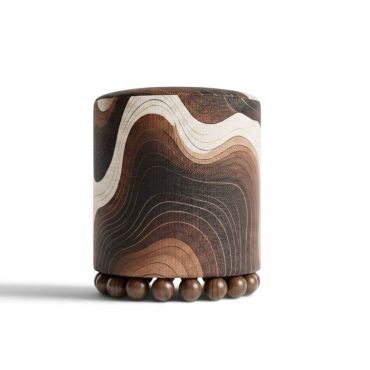
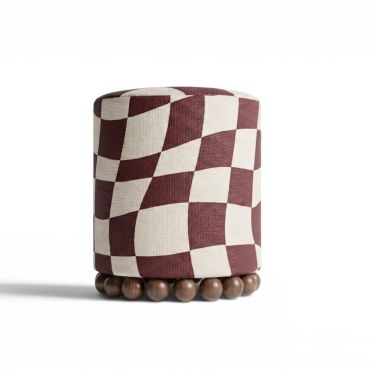
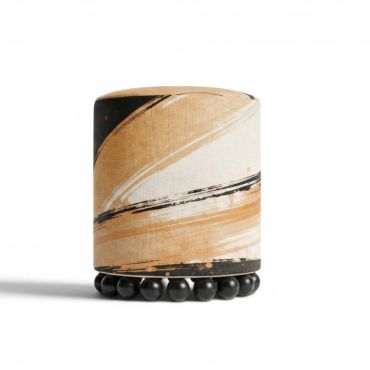
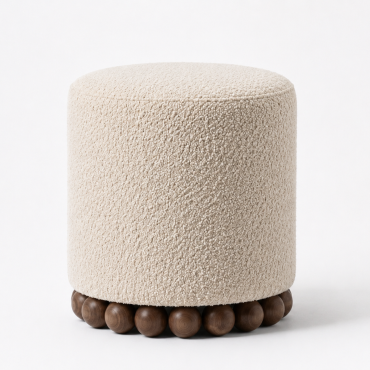
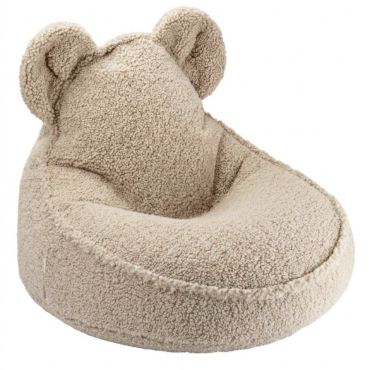

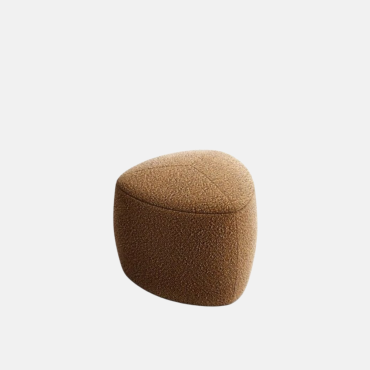
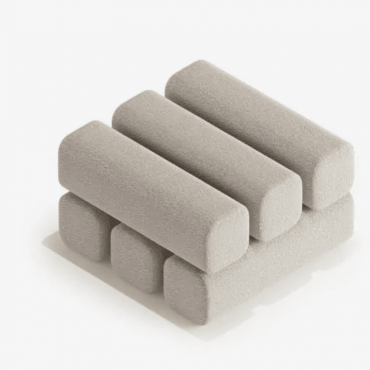


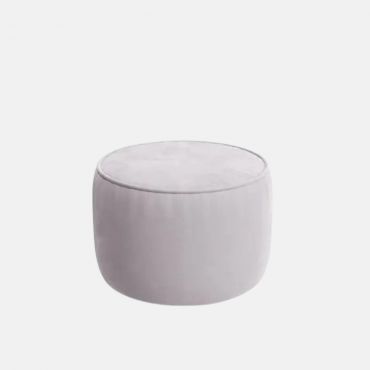
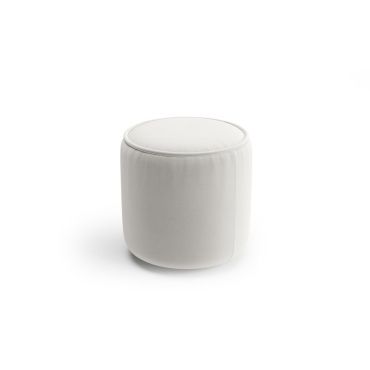
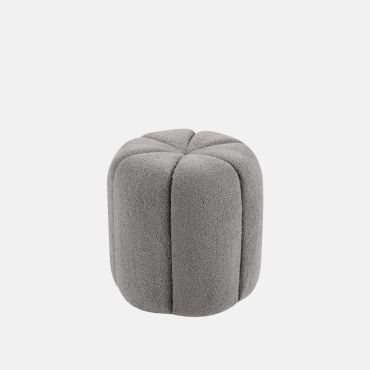
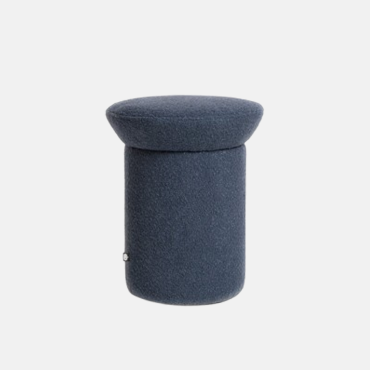
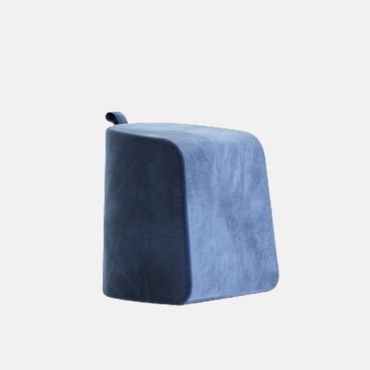
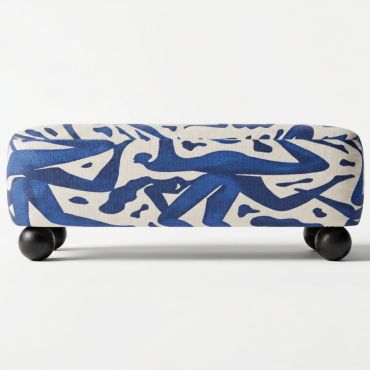
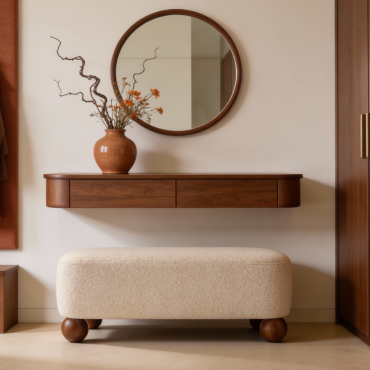
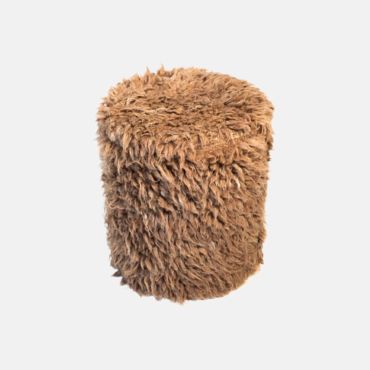
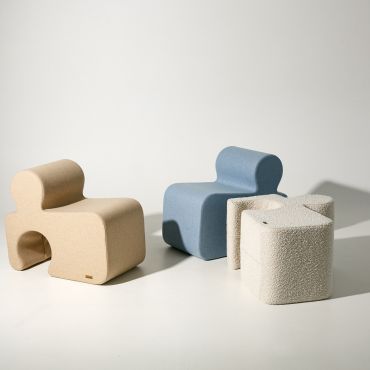
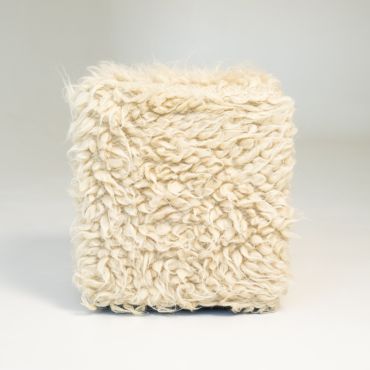
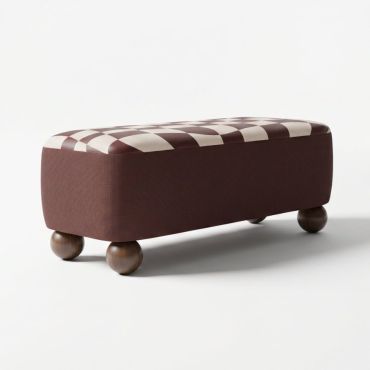
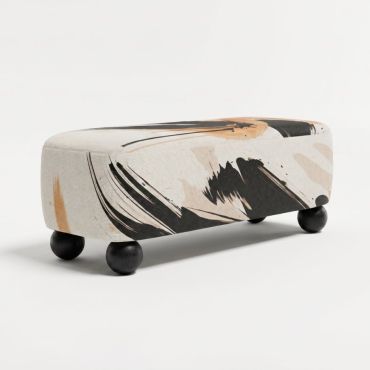
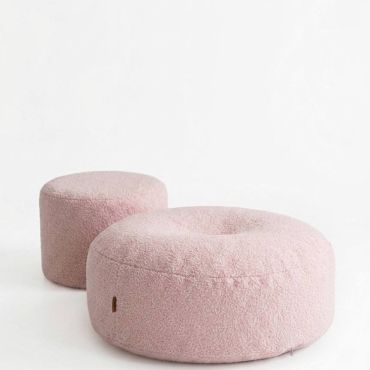


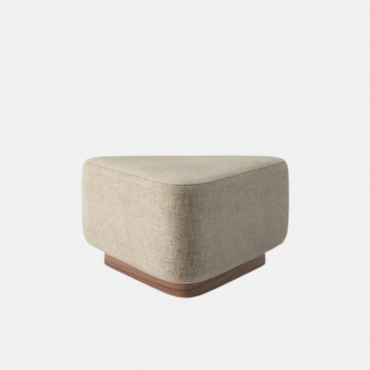
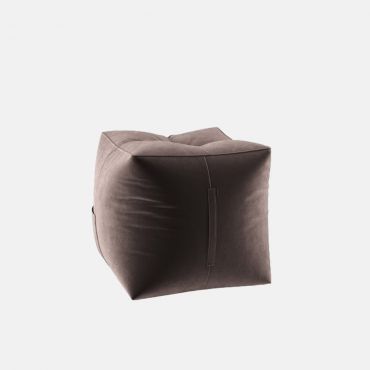
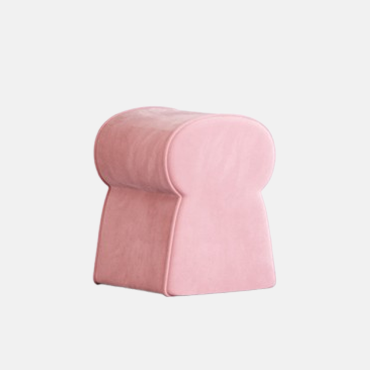
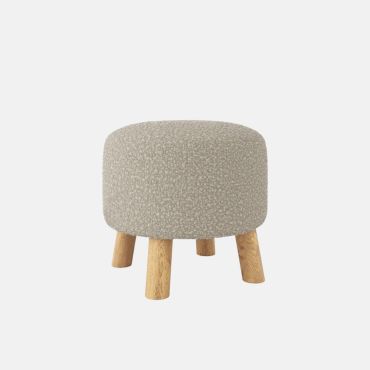
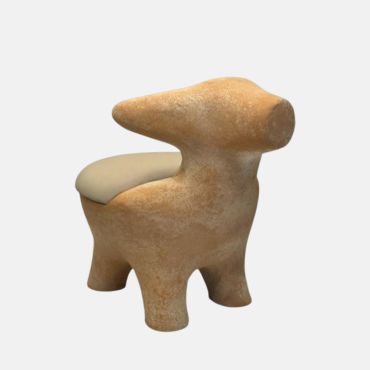
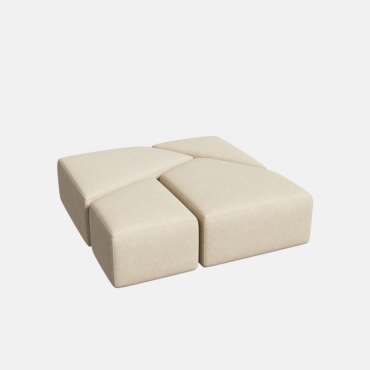
Kids’ Poufs: How to Choose a Soft Accent for a Child’s Room
A child’s room is always in motion. It is where books are read on the floor, block cities appear and disappear, guests from the next room are welcomed, favorite stories hide under blankets, and sometimes the best position is simply upside down. That is why kids’ poufs often work better than an “adult” armchair: they are light, soft, mobile, and they keep the room from feeling too serious.
A well-chosen kids pouf is not just a place to sit. It is a small stage for play, reading, dressing, resting, and independence. A child can move it closer to a shelf, place it by the bed, or use it as a soft support during play. Small object. Noticeable impact.
What Is a Kids Pouf and Who Is It For?
A children’s pouf is a soft furniture piece without a rigid back, usually lower and lighter than adult versions. It can sit by the bed, near a bookcase, beside a play rug, next to a small table, or in a reading corner.
Unlike a chair, a pouf does not demand one correct sitting position. A child can sit on it, lean against it, place a book on it, use it as part of a game, or simply move it wherever it feels useful. For a child’s room, this matters. The space should adapt with the child, not ask them to behave carefully every minute.
Poufs for kids work for toddlers and school-age children alike. For preschoolers, they offer a safe soft surface. For older children, they become a personal spot for reading, board games, rest, or friends. One piece, many scenarios.
How a Kids Pouf Differs From a Regular Pouf
The difference is not only size. A kids pouf should be lower, more stable, lighter, and easier to care for. It should not slide across the floor, tip over easily, or lose its shape after a few active months.
Three things matter most: safety, material, and use case. If the pouf is placed in a play area, the fabric should be durable. If it stands by the bed, the texture and silhouette can be softer and calmer. If it is near a desk, remember: a pouf does not replace an ergonomic chair for studying.
Types of Kids’ Poufs
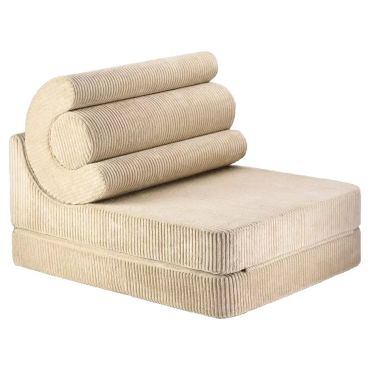
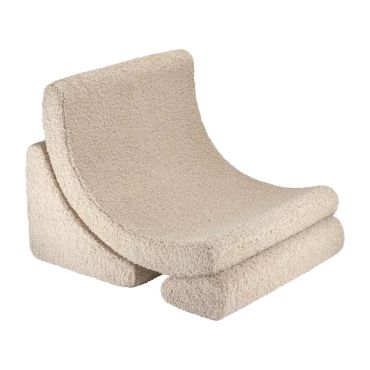
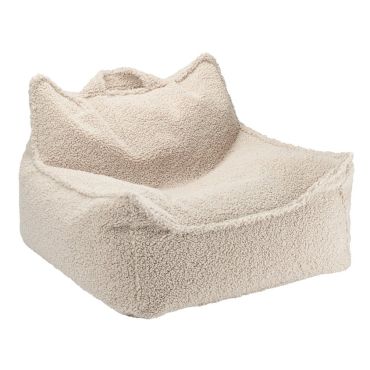
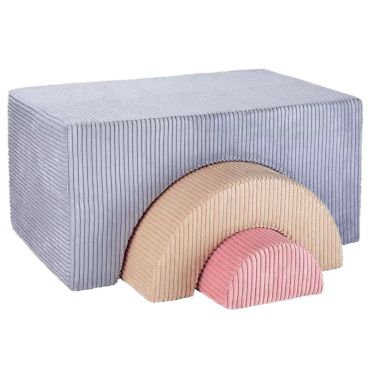
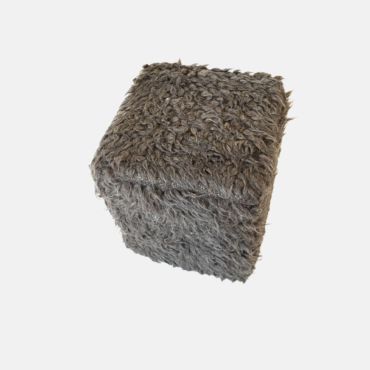
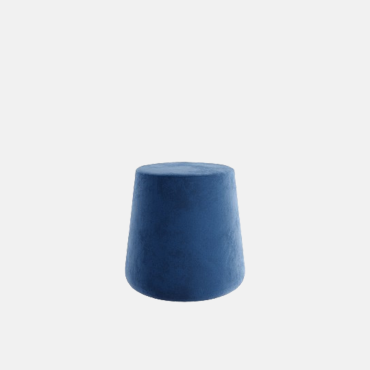
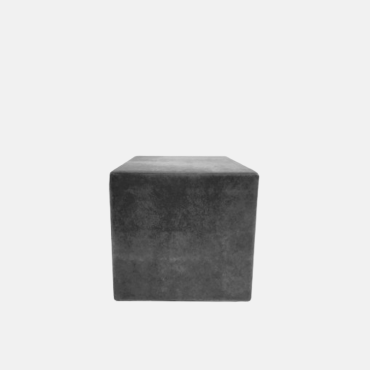
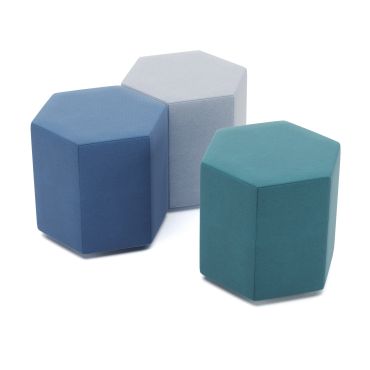
Kids’ poufs can be round, square, cylindrical, modular, shaped like a soft bench, or made as a beanbag-style seat. Each form has its own character.
A round pouf enters the room softly. It has no sharp corners and looks natural near a rug, bed, or shelf. A cube pouf holds geometry and suits modern interiors. A cylinder adds rhythm. A beanbag creates a relaxed mood, but it needs more space and does not always keep a tidy shape.
Soft Poufs for Children
Soft poufs for children are about comfort, but not shapelessness. A good pouf should feel pleasant to the touch and still be resilient. If a child sits down and the filling immediately collapses toward the floor, the piece will quickly lose its look.
For daily use, choose soft poufs for children with dense filling that returns to shape. A child will not only sit on it. They may jump, lean, move it around, cover it with a blanket, or use it as an “island” during play. The piece has to live with the room.
A Pouf as Part of the Play Area
In a play area, a children’s pouf can become a seat, a support, a boundary, or part of a story. Weight matters here. The child should be able to move it independently, but it should not be so light that it slides constantly.
For active rooms, stable forms work best: a low cylinder, a soft cube, or a dense round module. In a small space, one universal kids pouf is often more useful than a large armchair. It leaves the room with air.
How to Choose a Kids Pouf by Age
For children aged 2-4, the priorities are low height, soft form, stability, and minimal decorative details. At this age, children move a lot, sit down suddenly, and can catch on seams, zippers, or extra elements.
At ages 5-7, a kids pouf becomes part of independence. A child can create their own place for reading, play, or dressing. Here, the size should be comfortable now, not only “for later.”
For school-age children, poufs for kids work as extra seating: for friends, board games, reading, or a pause between lessons. At this age, design starts to matter. Children notice color, texture, and shape. A pouf can make the room feel not just child-friendly, but personal.
Height and Proportions
The right height depends on the child’s size. For toddlers, lower models are better so their feet can touch the floor. For older children, higher and denser poufs can work, but not as a replacement for a study chair.
In a small room, an oversized pouf quickly becomes an obstacle. In a spacious room, a tiny one may disappear. A simple rule: the pouf should be visible, but it should not take over the room.
Upholstery Material
For a child’s room, fabric matters a lot. It should be pleasant, dense, and practical enough. Velour gives a soft, warm effect. Boucle adds texture, but needs more attentive care. Woven upholstery is restrained, durable, and good for everyday use.
If the child is small, often draws, plays with clay, or snacks in the room, look for fabrics with higher abrasion resistance. A removable cover is a plus, but not the whole story. Also check seam quality, filling density, and care recommendations.
Color of a Kids Pouf
A child’s interior does not have to be overly bright. A milky, light gray, sand, olive, terracotta, or muted blue children’s pouf can stay relevant longer than a piece in a random trend color.
A bright accent can also be precise. If the room is calm, a pouf can add mood. If the room already has a lot of color, choose quieter upholstery. A child’s room is already full of detail. The pouf should bring the space together, not argue with it.
Neutral Shades
A neutral kids pouf does not mean boring. Milk, gray, cocoa, sage, warm white, beige-gray — these colors combine easily with wood, textiles, rugs, and decor. They work well in rooms that are meant to grow with the child.
Accent Colors
An accent pouf can be the detail that makes the room feel alive. Mustard supports warm wood. Terracotta adds depth. Blue brings graphic contrast. Powder pink softens geometry. But every accent needs a partner: in a blanket, poster, lamp, or small decor piece.
Kids’ Poufs in Different Interior Styles
Minimalism
In a minimalist child’s room, a kids pouf should be quiet but not faceless. Simple forms work best: round, cube, low cylinder. Colors can be milky, light gray, graphite, or muted green.
Minimum detail. Maximum use. This kind of pouf does not steal attention, but it softens the room.
Scandinavian Style
Scandinavian interiors love light, wood, and tactile materials. Here, soft poufs for children look good in woven fabric, velour, or boucle. Shapes are rounded, simple, and free from unnecessary decor. Colors include cream, sand, gray, light terracotta, and sage.
This pouf easily becomes part of a reading corner: next to a low shelf, a warm rug, and soft lighting.
Loft
In a child’s loft-style room, the key is not to make the space feel too adult. Graphite, metal, dark wood, and brick tones need a soft pause. This is where a children’s pouf can work beautifully.
Dense fabrics, clear shapes, and deeper colors fit well: khaki, dark blue, gray, chocolate, brick. No childish prints, but with character.
Contemporary Style
A contemporary child’s room welcomes clean lines, calm colors, and one expressive accent. Kids’ poufs here can be rounded or geometric. The main point is balance between practicality and mood.
If the furniture is simple, the pouf can be colorful. If the furniture is already expressive, choose a quieter model.
Japandi
Japandi is about low forms, natural colors, and calm. For this interior, a low rounded kids pouf in shades of linen, sand, clay, warm gray, or soft green works well.
Here, the pouf should not look like a decorative dot. It should feel like a natural continuation of the room.
Mid-Century Modern
Mid-century modern allows a bolder silhouette. A round shape, deep color, and contrast with wood all work well. A mustard, olive, caramel, dark blue, or burgundy children’s pouf can add a more grown-up design note while keeping the room light and child-friendly.
Eclectic Style
Eclectic interiors love different textures and colors, but in a child’s room, they need control. If there is already an active rug, posters, and colorful shelves, keep the pouf solid. If the base is calm, you can choose a bolder shape or fabric.
Soft Contemporary Interior
This is where poufs for kids feel especially natural. Rounded silhouettes, warm fabrics, muted colors, pale wood, soft light. Here, the pouf is not just furniture. It creates the feeling of the room.
Where to Place a Kids Pouf
By the bed, a kids pouf works as a place for clothes, a book, or an evening conversation. By a shelf, it becomes a reading point. Near the play rug, it becomes part of the game. By the window, it turns into a small place for watching the world.
In a small room, it is important not to block movement: from the door to the bed, from the bed to the wardrobe, from the desk to the shelf. In a larger room, a pouf can zone the space: separating reading from play or creating a soft corner near a storage unit.
What to Check Before Buying
Before you buy kids’ poufs, answer a few questions. Who will use the pouf? How old is the child? What is it for: play, reading, extra seating, decor, dressing? Will the pouf stay in one place, or should the child be able to move it easily?
Then look at the construction. A children’s pouf should be stable. Seams should be strong. Filling should be resilient. Fabric should not be too delicate. If there are decorative elements, they should not make cleaning harder or create a risk for a small child.
And one more thing: do not choose a pouf only by color. Color matters, but shape, height, and material decide whether the child will actually use it.
Common Mistakes When Choosing
The first mistake is choosing a size that is too large. A big pouf may look cozy in a photo, but in a real room it can take over half the play area.
The second is choosing fabric that is too delicate. Light boucle is beautiful, but if the child draws nearby every day, a more practical option may be wiser.
The third is buying a kids pouf “for later” when it is uncomfortable now. Children’s furniture should work today. If a piece has to wait several years to become useful, it is not doing its job.
The fourth is a random style choice. A pouf can be an accent, but it should not fight the whole interior.
Caring for Kids’ Poufs
Care depends on the fabric. Most models benefit from regular vacuuming with a soft attachment. Stains are best removed immediately, without aggressive rubbing. If the fabric has specific care instructions, follow them.
A removable cover makes life easier, but it does not replace good upholstery. Even a non-removable cover can be practical if the fabric is dense and well chosen.
It is also worth moving or rotating the pouf from time to time if the construction allows it. This helps distribute wear more evenly and keeps the shape neat for longer.
When a Designer Kids Pouf Makes Sense
A designer kids pouf makes sense when you want not just another seat, but a room that feels complete. This is especially true when form, texture, proportions, and longevity matter.
Such a piece can pass through several stages: first in a toddler’s room, then in a school-age child’s room, and later in an entryway, bedroom, or living room. If the shape is restrained, the fabric is high quality, and the color is not tied to a short trend, the pouf does not age in one season.
Design in a child’s room is not about making it “adult.” It is about respecting the space where the child grows.
Why Buy Kids’ Poufs at MAIIMO
At MAIIMO, kids’ poufs can be seen not as random accessories, but as part of a full interior composition. The platform brings together designer furniture, lighting, and decor from Ukrainian brands, young studios, and craft manufacturers. This is useful when you need not one object, but the whole mood of a room.
What matters here is not a loud promise, but curation. Local brands, responsible production, a contemporary approach to form, materials, and textures. You can find poufs for kids that support a minimalist room, a Scandinavian base, a soft contemporary interior, or a bolder eclectic space.
MAIIMO helps you look at a child’s room more broadly. A pouf can be matched with a bed, rug, lamp, small table, and decor. Not a separate object. A composition that works together.
If you plan to buy kids’ poufs, pay attention not only to the photo. Look at the size, material, shape, maker, and how the piece will combine with the other objects in the room. And if the choice comes down to a few models, choose the one that fits the real rhythm of your child’s life.
10 FAQ
Which kids pouf is best for a small room?
For a small room, choose a compact kids pouf in a round or cube shape. It will not take up much space, can stand by the bed, shelf, or play rug, and will not block the main routes through the room.
How is a children’s pouf different from a regular pouf?
A children’s pouf is usually lower, lighter, and more stable. It is designed for child-friendly scenarios: play, reading, moving around the room, and frequent use. Safe form and practical fabric are also important.
From what age can a child use a kids pouf?
A child can use a kids pouf from an early age if it is low, stable, and free from risky decorative details. For toddlers, softness and stability matter most. For older children, size, design, and everyday comfort become more important.
Can a pouf replace a chair?
For play, reading, and short rest — yes. But for studying at a desk, a pouf does not replace an ergonomic chair. That scenario requires back support and proper seat height.
Which soft poufs for children keep their shape best?
The best shape retention comes from soft poufs for children with resilient filling and dense construction. Overly soft models can sag quickly, especially if the child uses them actively.
What fabric is most practical for a kids pouf?
Dense upholstery fabrics that are easy to clean and resistant to rubbing are the most practical. For an active child’s room, look at abrasion resistance, seam quality, and care recommendations.
How do I choose the color of a kids pouf?
If the room is already bright, choose a calm color: milky, gray, sand, olive. If the base is neutral, a children’s pouf can be an accent: terracotta, blue, mustard, or powder pink.
Where is the best place to put poufs for kids?
Poufs for kids can be placed by the bed, near a bookshelf, beside a play rug, by a window, or next to a small table. The main thing is to keep movement clear and leave enough space for play.
Is a removable cover worth it?
A removable cover is a practical advantage, especially for younger children. But fabric quality, filling, and construction matter just as much. The pouf should be comfortable and durable in daily life.
When is it better to buy kids’ poufs instead of an armchair?
It makes sense to buy kids’ poufs if you need a light, soft, mobile place for play, reading, or extra seating. If the child needs to sit at a desk for a long time, choose a chair or armchair with back support.