Designer Wooden Plant Stands
For all to admire
Does a favourite plant disappear when it sits on the floor? Bring it into view. Designer wooden plant stands give greenery height and add a warm natural texture to the room. Build your own composition and let the indoor jungle take the stage.
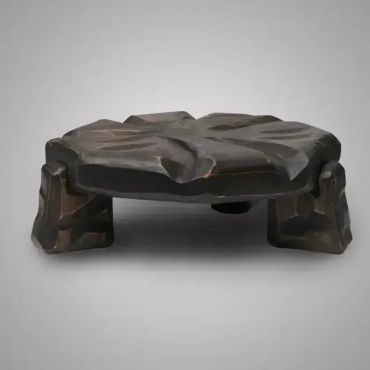
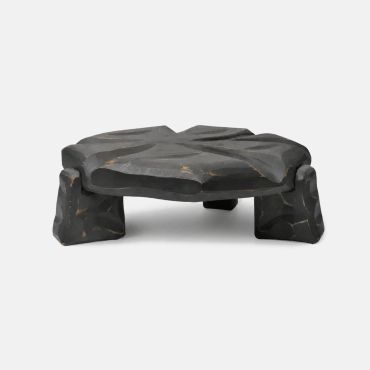
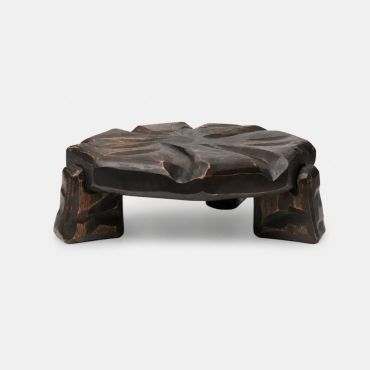
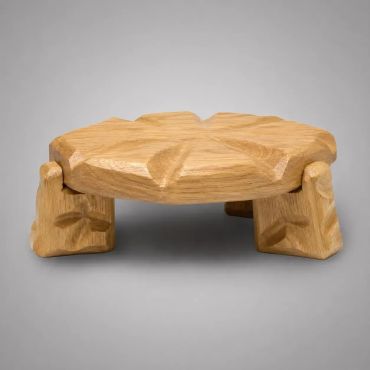
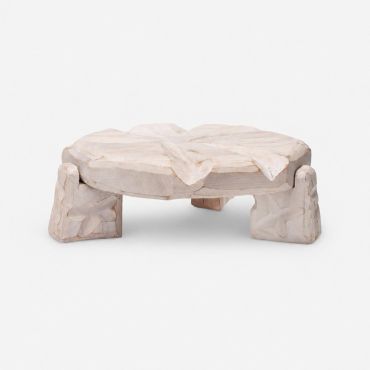
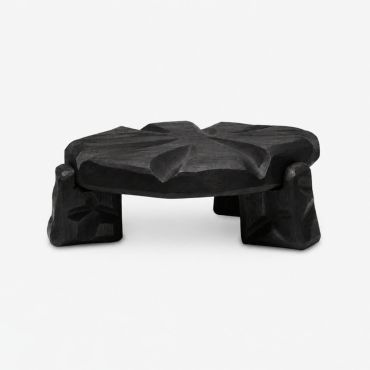
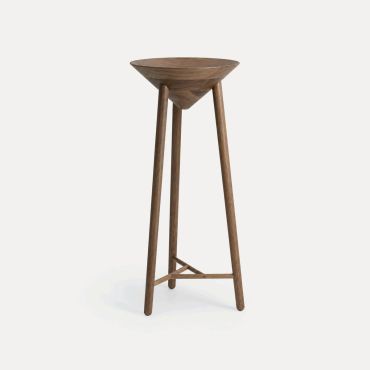
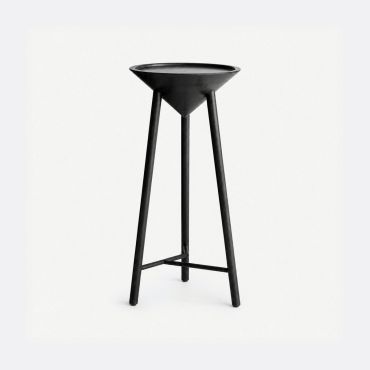
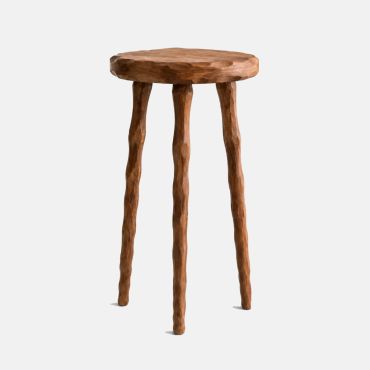
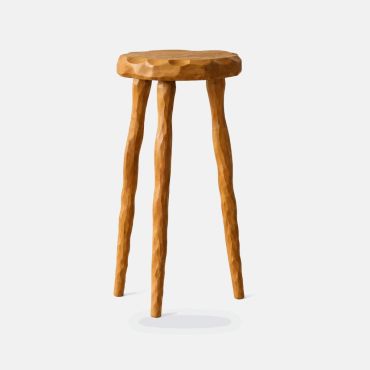
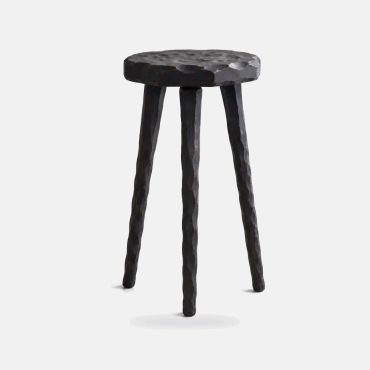
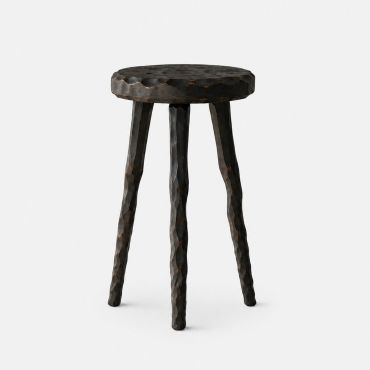
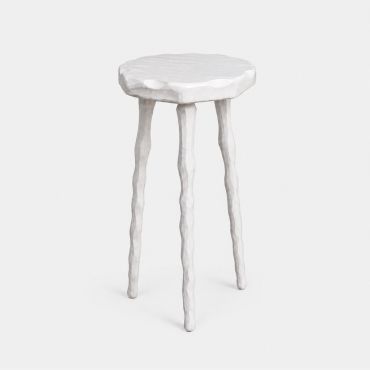
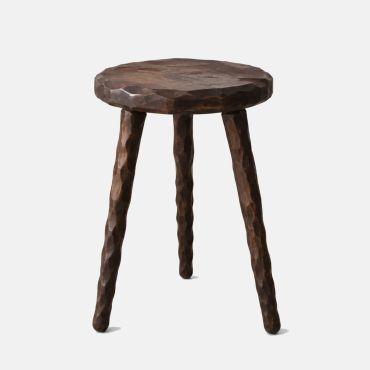
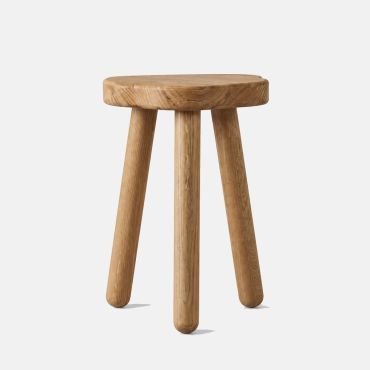
Designer wooden plant stands for considered interiors
Designer wooden plant stands change how a plant reads within a room. A pot no longer looks as though it was left by the wall; it gains a defined position, useful height and a clearer silhouette. The effect is especially valuable for smaller plants that almost disappear at floor level.
We treat wooden plant stands as small pieces of furniture. Their form should hold the pot safely without competing with the foliage. Natural grain echoes stems and branches, while the warmth of timber softens ceramic, glass or metal planters.
Why raise a plant pot above the floor
A wooden indoor plant stand creates an open gap between the pot and the floor. The arrangement feels lighter and the plant becomes easier to see. In a small room, changing the height often has more impact than adding another decorative object.
Indoor plant stands at different heights can bring several pots into one coherent group. Keep broad foliage lower, raise a narrow upright plant and place the smallest pot near the edge. This creates rhythm without turning the corner into a dense green wall.
A wood flower pot stand does not replace a saucer. Water should not reach the timber or the floor after watering, even when the wood has an oil or lacquer finish.
How to choose wooden plant stands
Before you buy a wooden plant stand, measure the bottom of the pot and look at the whole plant from the side. A tall crown, heavy planter and narrow base can form an unstable combination. Check the support area, height, stated load limit and finish.
Pot diameter and support size
A wooden plant stand must support the base without rocking or tilting. Compare its inner diameter or top platform with the actual bottom of the planter, not its widest rim. Stay within the size range stated by the maker.
Plant height and centre of gravity
A tall designer plant stand suits a light pot and a plant with a calm vertical outline. A heavy planter or wide crown needs a lower stand with a broader footprint. The more weight sits at the top, the more carefully stability should be checked.
Load and stability
Calculate the weight of the complete plant pot on a wooden stand: planter, damp soil, plant and water. This is considerably heavier than an empty pot. For large ceramic planters, confirm the maximum load before ordering.
Finish and water
Even sealed wooden plant stands should not be soaked regularly. Use an intact saucer and wipe away drops straight after watering. Oil or lacquer makes care easier, but its exact protection depends on the individual product.
Wooden plant stands in different interior styles
Wooden plant stands settle naturally into a room when they repeat one existing cue: the floor tone, furniture legs or the geometry of a table. An exact colour match is unnecessary. A slight difference often makes the arrangement feel less staged.
Minimal and contemporary rooms
Choose modern plant stands with clear geometry and few visible joints. Beside a sofa or console table, a restrained stand reads as part of the furniture composition rather than a garden accessory.
Japandi and Scandinavian interiors
Light wooden indoor plant stands work well with white, grey and natural materials. For Japandi rooms, look for lower, quiet forms with visible grain. Leave enough open space around the plant instead of crowding several pots together.
Dark timber as a contrast
A dark wood flower stand gives the planter a sharper outline. It suits black accents, walnut furniture or deep wall colours. Keep some floor visible around it so the composition retains visual lightness.
How to arrange several plants
An arrangement of designer wooden plant stands begins with varied heights. Keep the largest plant lower, raise the middle one and place a small pot close to the edge. Step back afterwards: the leaves should overlap slightly, not hide one another.
Several wooden plant stands can share a timber tone while varying in height or shape. For a larger collection, a vertical shelving unit may add another level, provided the area still has breathing room.
Where to place an indoor plant stand
In a living room, an indoor plant stand can occupy a corner near the sofa, a position by the window or a gap between furniture. In a bedroom, choose a compact model that does not narrow the walkway. In a home office, one raised plant can balance a visually heavy desk.
Composition is only part of the decision. Before positioning a plant pot on a wooden stand, check the plant's need for direct or filtered light, distance from a radiator and sensitivity to draughts. A stand changes height; it cannot correct unsuitable growing conditions.
What to check before buying and how to care for timber
Well-made wooden plant stands sit evenly, remain steady under load and have smoothly finished edges. Check dimensions, material, coating, maximum weight and assembly details. Marking the footprint on the floor with masking tape is a quick way to judge scale.
Wipe a wooden indoor plant stand with a dry or slightly damp soft cloth. Do not leave water, wet soil or fertiliser residue on the surface. Remove a heavy pot before moving the stand and follow the maker's care instructions.
Why buy designer wooden plant stands from MAIIMO
At MAIIMO, we select designer wooden plant stands as genuine interior objects. We look for a clear silhouette, accurately described materials and proportions that sit comfortably beside contemporary Ukrainian furniture and home decor.
Our edit of wooden plant stands brings together Ukrainian brands and local studios. We can help compare the stand dimensions with your planter and room. A large ceramic pot, a narrow walkway and a light trailing plant call for different solutions.
Frequently asked questions about wooden plant stands
How do I choose a wooden plant stand?
Choose a wooden plant stand by the pot-base diameter, full planted weight, plant height and stated load limit. Then check the timber finish and the intended position in the room.
How large should a plant stand be compared with the pot?
A plant stand compared with the pot should support its actual base. The planter should not rock, drop between rails or overhang far enough to make the arrangement unstable.
Can wooden plant stands hold large planters?
Wooden plant stands for large planters are suitable only when the load rating and support dimensions are confirmed. Include wet soil and the plant when estimating weight.
What height plant stand should I choose?
Choose the height of an indoor plant stand so the foliage remains visible without blocking furniture or a walkway. A lower, wider design is usually safer for a heavy or spreading plant.
How do I protect a wooden plant stand from water?
Protect a wooden plant stand from water with an intact saucer and by wiping drops immediately. Do not assume that oil or lacquer is fully waterproof unless the maker says so.
Do I need a saucer under the plant pot?
A saucer under the plant pot is essential when the planter has drainage holes or may leak. It should sit securely and remain within the supporting area.
Where should I place a plant stand in the living room?
A plant stand in the living room can sit near a window, beside a sofa or in an open corner with suitable light. Keep the circulation path clear.
How can I combine several wooden plant stands?
Combine several wooden plant stands through a shared material or tone while varying their heights. Begin with two levels and assess the view from across the room.
Which types of wood are used for plant stands?
The types of wood used for plant stands vary by maker. Check whether the product uses solid timber, veneer, plywood or a combined construction rather than assuming from photographs.
Where can I buy designer wooden plant stands?
You can buy designer wooden plant stands from MAIIMO. Have the pot-base diameter, full weight and preferred composition height ready to make the choice more precise.