How to Arrange a Nursery: Sleep, Study and Play in One Space
- How to design a kids room: sleep, study and play in one space
- The plan comes before the furniture
- The sleep zone: a bed that keeps up with age
- Light that switches the room off and on
- The study zone: a desk sized to height, not age
- Order that keeps itself
- A play zone you can rearrange
- Colour and mood: where 2026 is heading
- Frequently asked questions
How to design a kids room: sleep, study and play in one space
A kids room is the hardest square footage in the house. It has to hold everything at once: deep sleep, first lessons, a mountain of toys and a child who will outgrow half of this furniture within two years.
So the real question behind how to design a kids room is about time — how to build a space that grows up with its owner instead of begging for replacement every three years. And it starts not with the bed. It starts with the plan.
The plan comes before the furniture
The most expensive mistake is made on impulse in the showroom: you buy a beautiful bed first, then cram everything else around it. Seasoned decorators suggest the reverse — sketch the room on paper and split it into three zones before the first purchase: sleep, study, play. A floor plan reveals what a showroom hides: how much bare floor is left for the child, where they actually spend their early years.
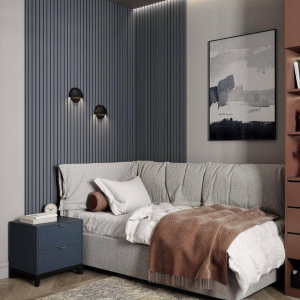
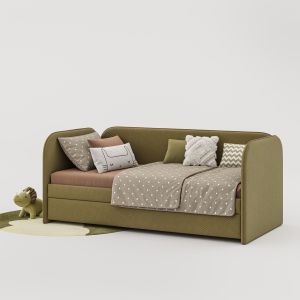
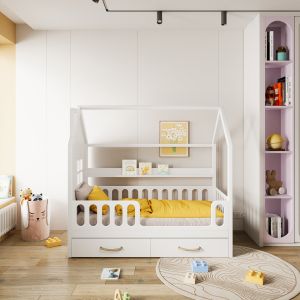
A second common mistake hides here too. A bed marooned in the middle eats the most valuable resource — open floor. Push it against a wall or choose a model with storage underneath, and the centre of the room goes back to the child. With that in mind, it's worth calmly reviewing the full range of children's beds at the drawing stage, not after the renovation.
The sleep zone: a bed that keeps up with age
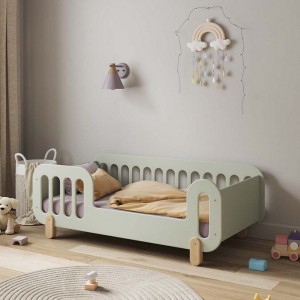
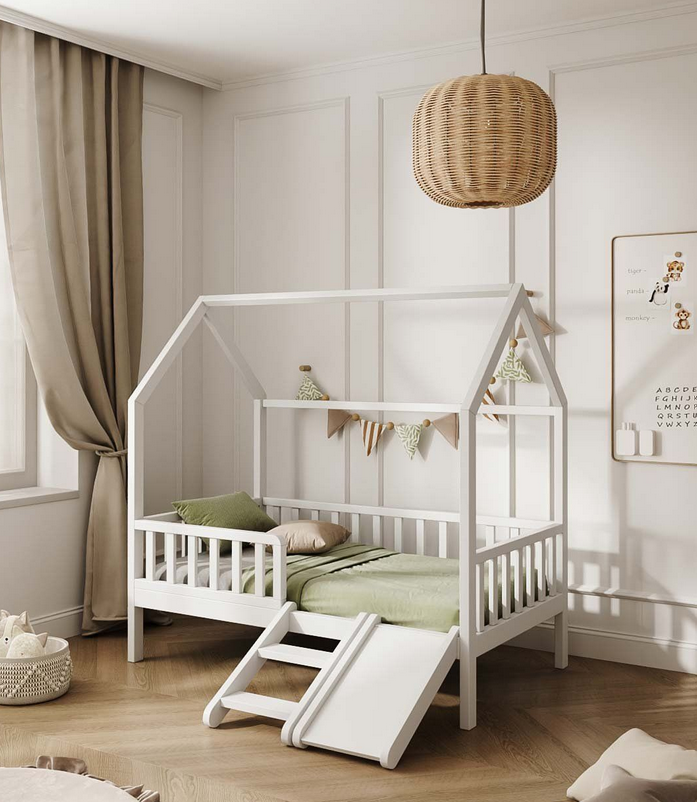
For the youngest, the logic is simple: the lower, the more independent. A floor-level Montessori-style bed lets a toddler lie down and get up on their own — not an aesthetic choice but a lesson in trusting their own body. The perimeter is softened with a rug or a fabric bumper.
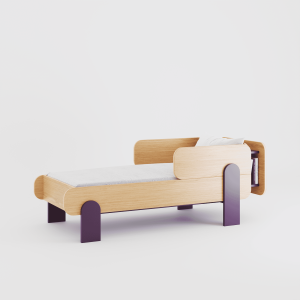
The move from cot to a "grown-up" bed usually lands between one and a half and three years. The cue isn't a date but the child's body: once they reach roughly 90 cm, or their chest clears the cot rail when standing, it's time. This is where a bed with a low guard rail earns its place — a first solo night without falls.
Light that switches the room off and on
The most elegant zoning trick isn't furniture — it's kids room design through light. Instead of three different lamps, lay in one layer of dimmable ambient light plus a separate task light for work. Warm light around 2700 K prepares for sleep. Closer to 4000 K it energises the play zone. Over the desk you want cooler, directed light: for focus, aim for 300–500 lux against the dimmer bedroom. The detail people forget: a comfortable sleep temperature is 16–20 °C, and no lamp can replace it.
The study zone: a desk sized to height, not age
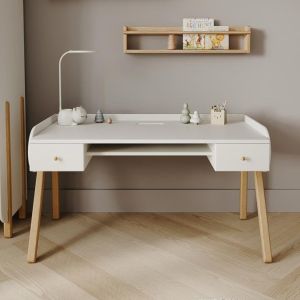
A child doesn't sit "by age" — they sit by height. European school-furniture standards tie the height to the child's centimetres: at 108–121 cm the seat sits around 31 cm and the tabletop 53 cm; at 133–159 cm it's 38 and 64 cm. Pair a chair from one size class with a table from another and the child spends years in a forced, crooked posture — a slouching habit you only notice once it has formed.
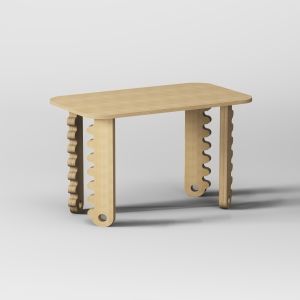
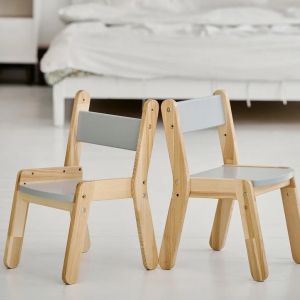
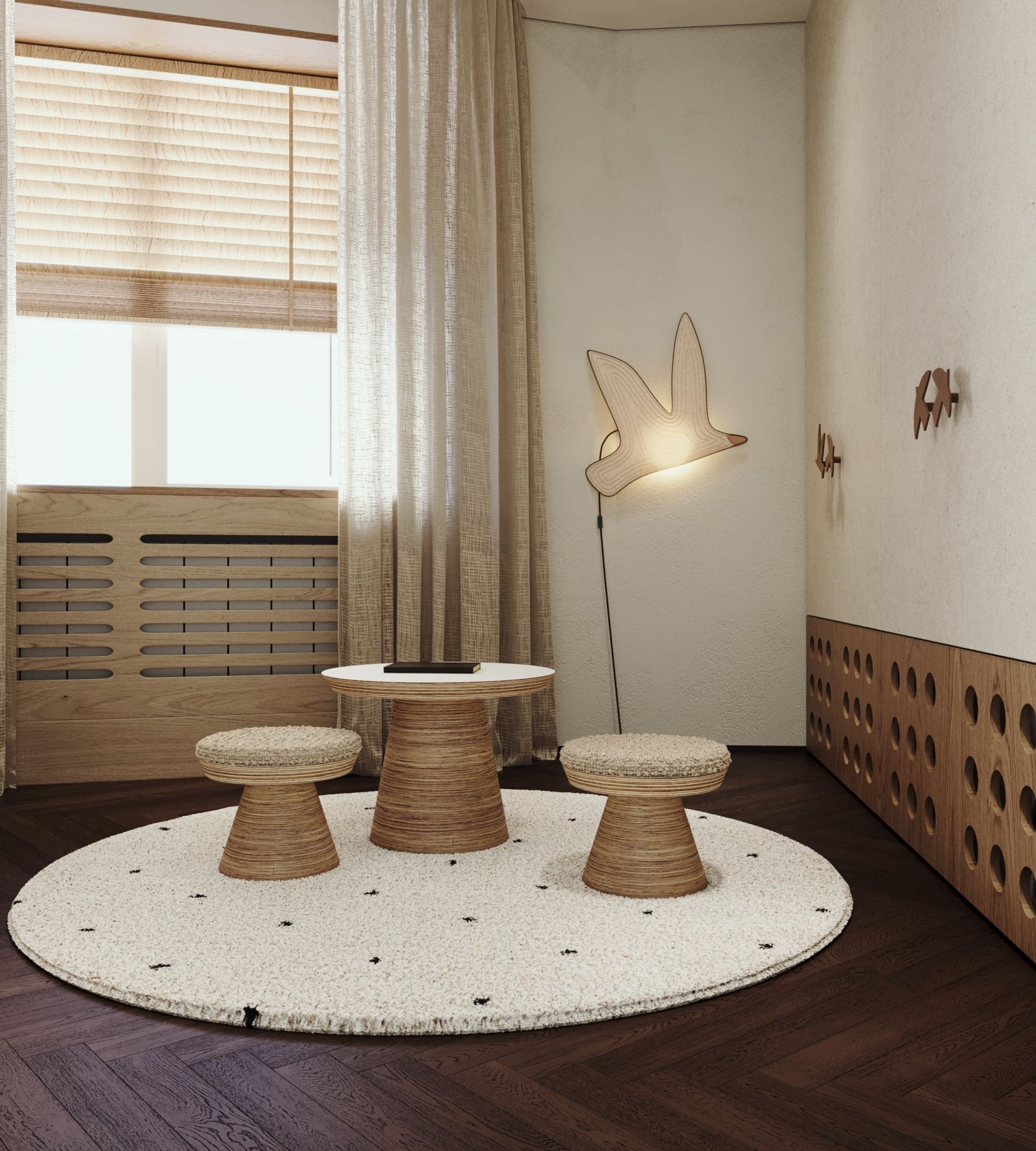
For the youngest, it all lives together: a low table-and-chair set works equally well for drawing and first building blocks. Closer to school, the play spot turns into a workspace, and now you need a proper writing desk with the right height and room for books.
Order that keeps itself
A paradox every parent knows: open shelves make a room read as cluttered even when there's no more stuff than a cupboard holds. The eye can't "sort" a pile of small things fast enough. So closed storage reads as calm — and deep divided drawers beat baskets, where a child tips out everything to find one car.
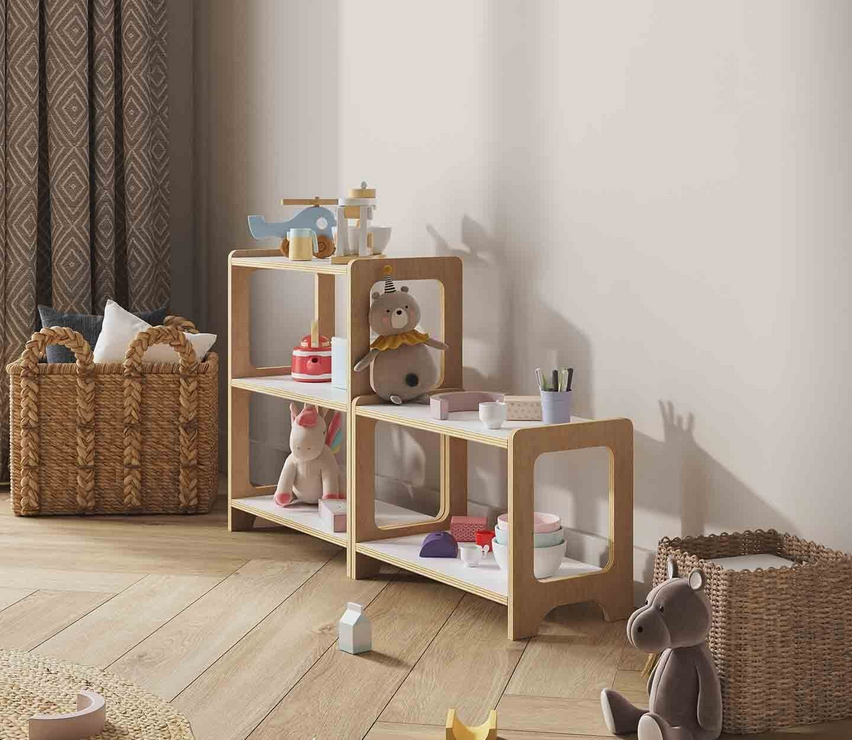
Montessori suggests the compromise: a few open shelves at the child's level (roughly 60–70 cm off the floor) with a small number of toys in view — 8–10 for a preschooler, fewer for a toddler — rotated weekly. The rest goes behind a closed dresser that will later slip easily into a teenager's room.
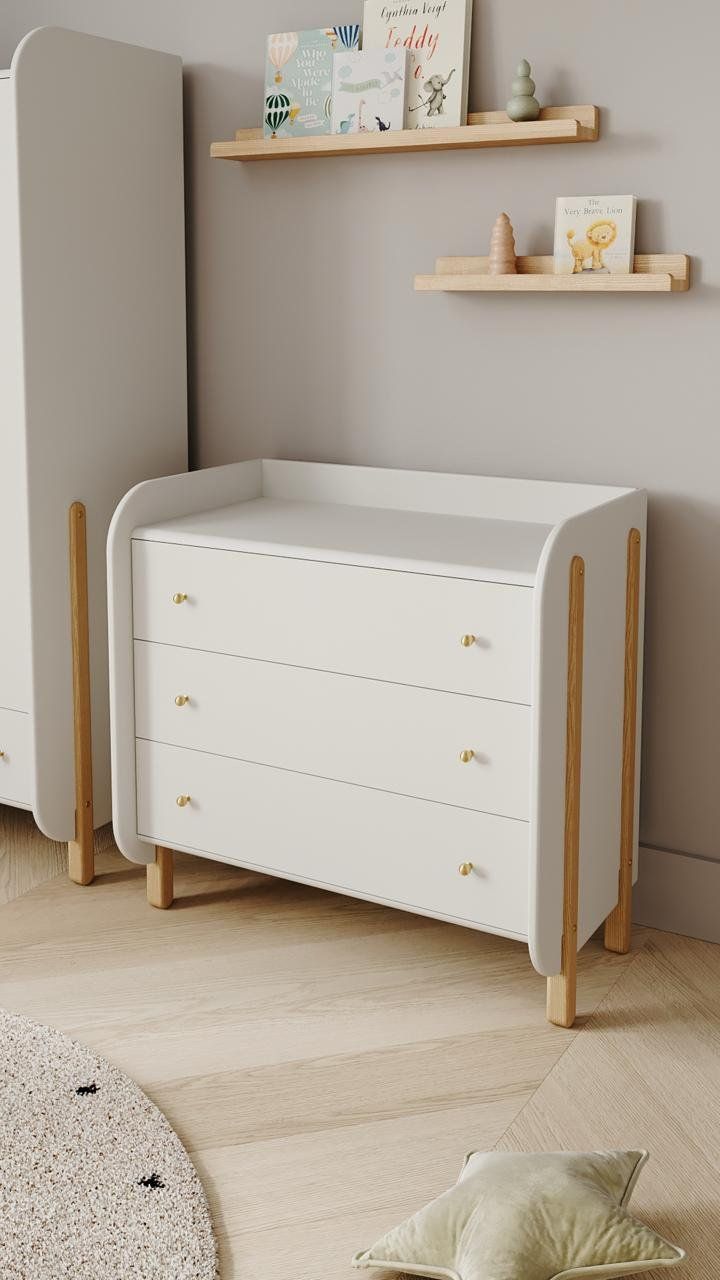
A word on modular storage systems — a set of sections that assemble to a specific wall like building blocks. Today it's a low line of cabinets at the child's height; in three years, a tall unit with shelves for books and gadgets. You add modules rather than replace all the furniture when the room outgrows itself.
A play zone you can rearrange
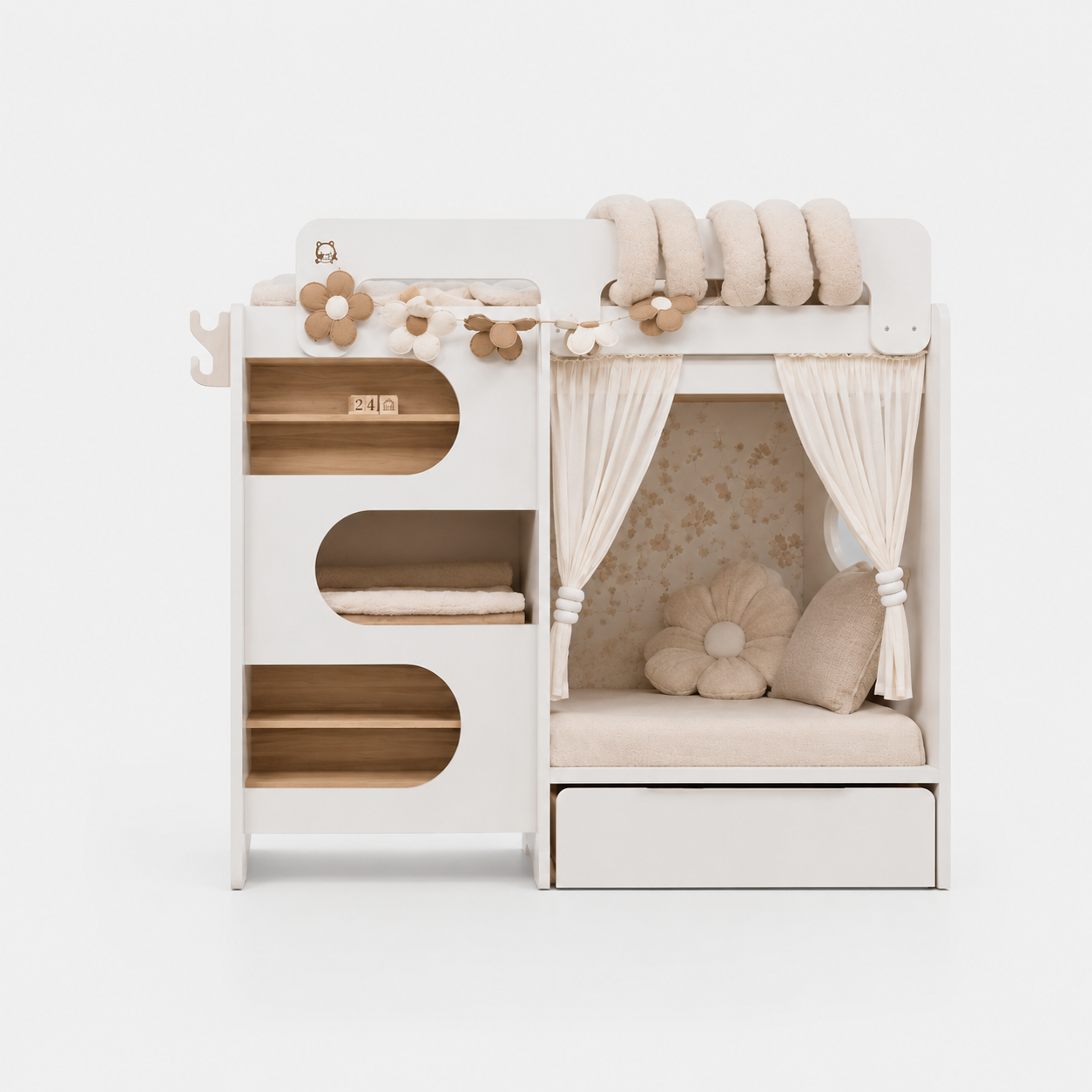
Play is the one zone that resists fixed furniture: today they build a fort, tomorrow they chalk on the floor. The smartest move in a tight room is to lift sleep up and free the floor below. Under the top tier of a bunk or loft bed, a ready-made den appears: a reading nook, a garage for cars or a doll's house — without a single extra metre of floor.
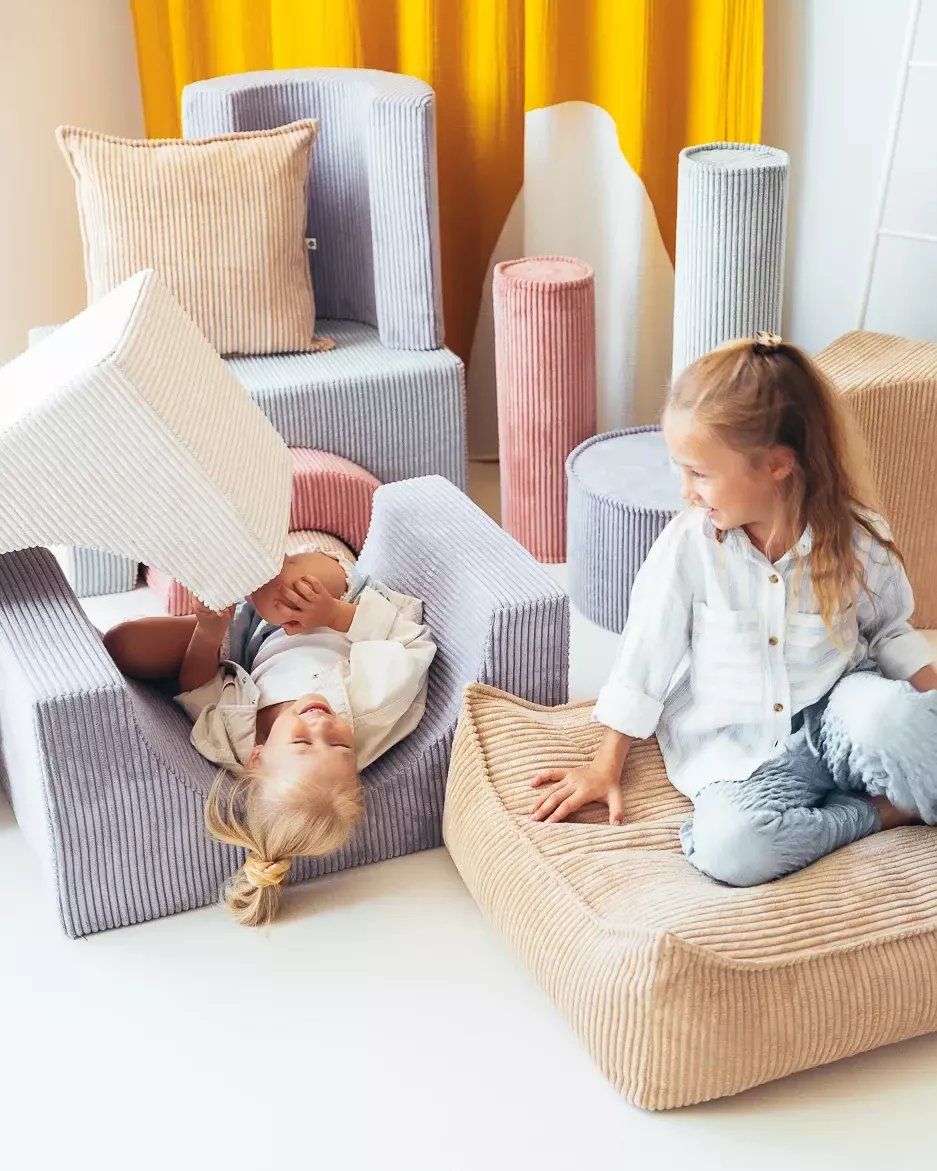
Furniture in this zone should transform easily. A soft pouffe plays three roles at once — a seat, an island of play and mobile storage under a throw. And transformable play pouffes made of several pieces turn a corner into a playground in a minute, then fold back just as fast.
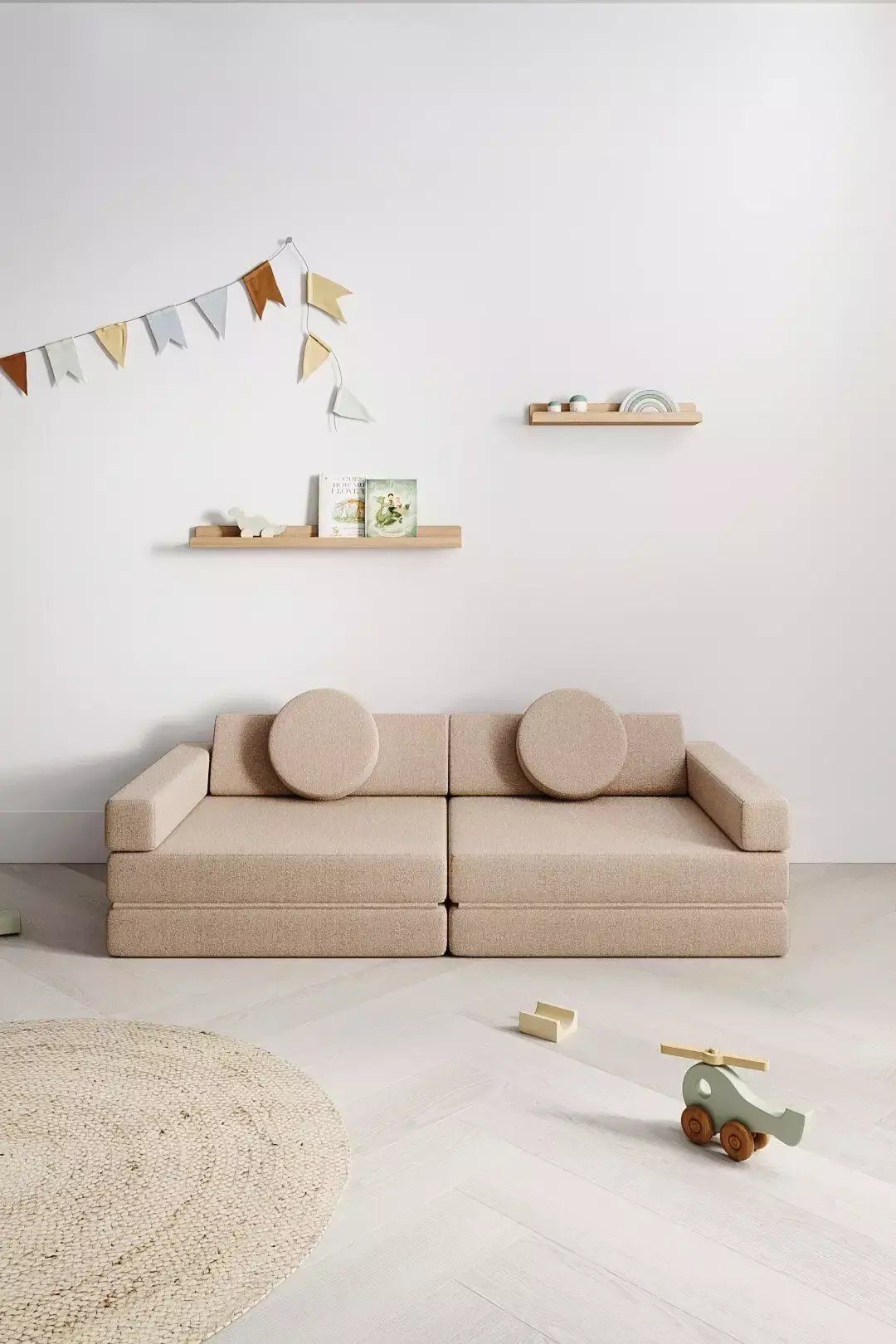
If the floor area allows, the heavy artillery comes in — a modular sofa built from soft sections. By day it's a fort of cushions and a track for "jumps"; by evening, a spot the whole family fits onto for a film; in a few years, a lounge for a teenager and friends. One piece that outlives any theme on the wallpaper.
Colour and mood: where 2026 is heading
A kids room no longer has to be pink or blue. The season returns to complex, "grown-up" shades — terracotta, sage green, warm ochre — that a child won't psychologically outgrow in a year. Instead of cartoon stickers, illustrative wallpaper that doesn't date; instead of plastic, natural wood, plywood and a little vintage. Layered textiles do double duty here: mood and quiet acoustics in a room where a lot of play happens out loud.
Frequently asked questions
At what age does a child need their own room?
Paediatricians advise room-sharing with parents early on (a separate sleep surface for at least the first six months). A full private room makes sense once there's a real need for one's own space to sleep, play and study — usually from around 2–3 years, and that's when full zoning pays off.
Which furniture should you buy first?
In order of priority: an age-appropriate bed, then storage (a dresser plus a few low shelves), and only third a workspace, once the child grows into drawing and lessons. That way the budget goes where it's needed now, not "for later".
How do you design a small kids room?
Go vertical and multifunctional: a bed with storage or a play zone underneath, tall narrow shelves instead of wide ones, modular furniture and transformable pouffes. And keep the centre of the floor clear — that's the very play zone the whole thing is for.