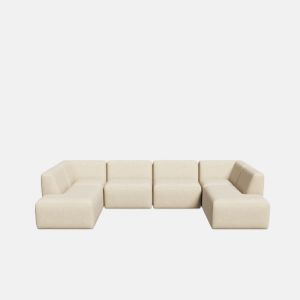
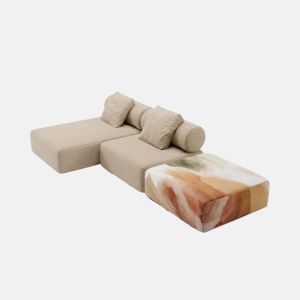
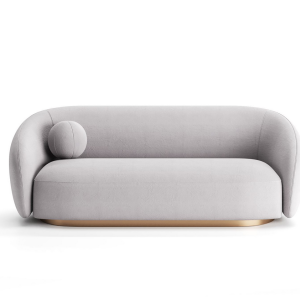
What is a modular sofa, and how do you plan one for your space?
- What is a modular sofa, and how do you plan one for your space?
- How a modular sofa works: sections before silhouette
- Sofa connectors: the detail beauty shots rarely show
- How to plan a modular sofa configuration
- Modular sofa or regular sofa?
- What to check before ordering
- Frequently asked questions
- Can modules be rearranged every day?
- Can each section stand alone?
- Can a modular sofa work in a small room?
- Can I add another module later?
What is a modular sofa, and how do you plan one for your space?
A modular sofa is a seating system made from separate sections rather than one fixed, heavy frame. Think of it as a grown-up construction set, except the cost of a mistake is a blocked walkway or an extra half metre of sofa in the living room.
Its real advantage is the ability to shape seating around an actual floor plan. That freedom still has rules. Not every section can sit anywhere, and connectors, finished sides and approved combinations vary between collections.
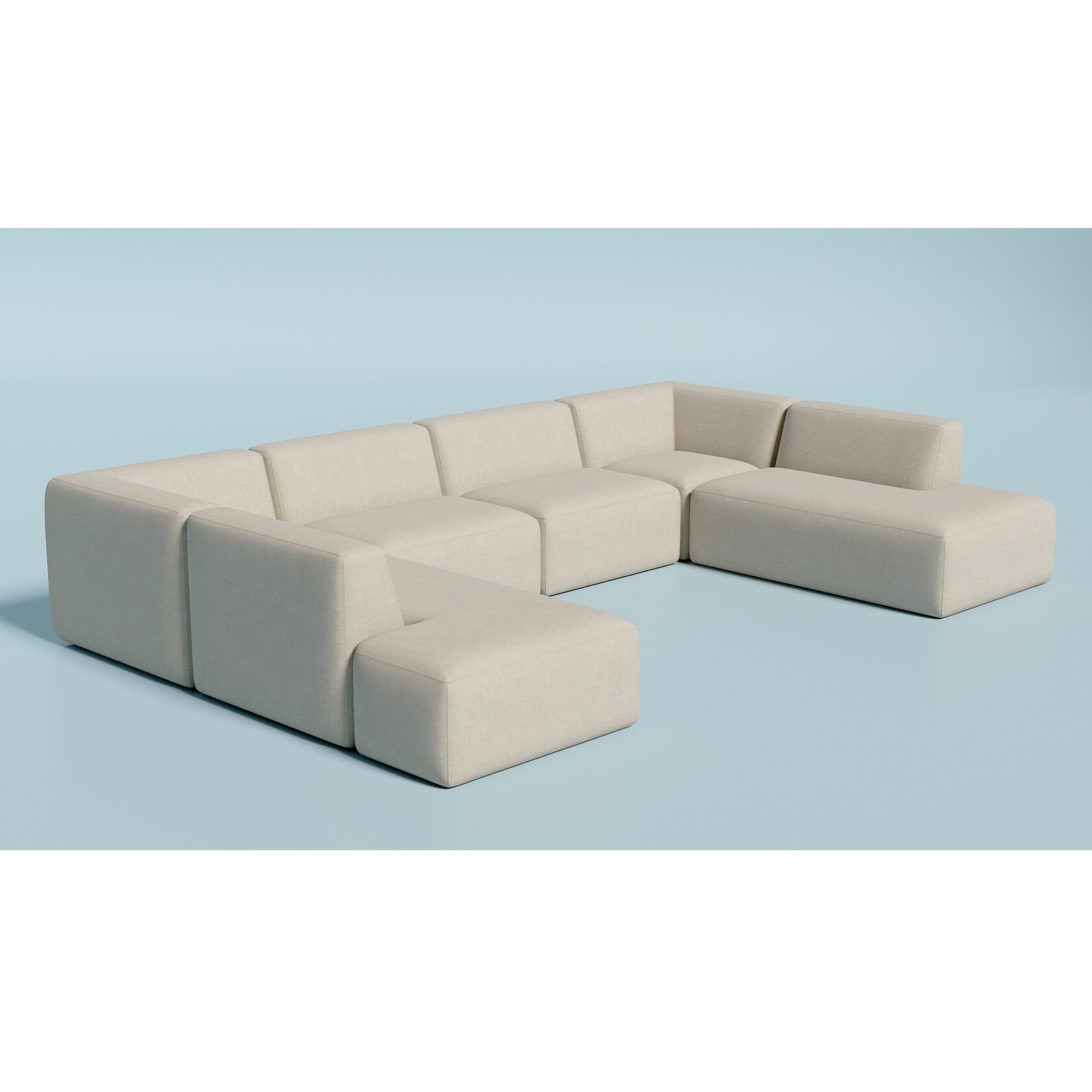
S28 shows how several sections can define a conversation zone.
How a modular sofa works: sections before silhouette
How a modular sofa works becomes clear when you look at its edges. An armless centre unit extends the run; an end unit finishes it; a corner turns the layout; a chaise or ottoman creates room to stretch out. Some families also include tables or backless pieces.
MAIIMO's Sofa S3 module measures 92 × 92 × 72 cm. Its page describes three basic pieces: backless, with a back, and with a back plus arm. That is one collection's logic, not a rule for every sofa. S28, Tiny Sofa and COMBO Sofa 2 use different dimensions and layouts.
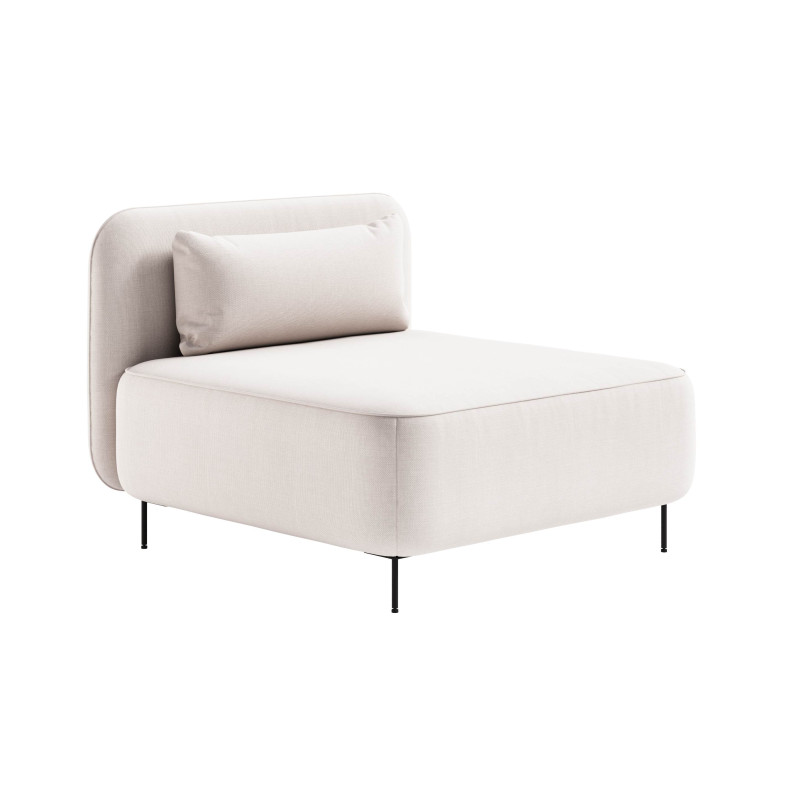
A single unit makes the scale easier to judge before a full composition is planned.
Sofa connectors: the detail beauty shots rarely show
Modular sofa sections may lock with metal hooks or brackets, or remain freestanding on non-slip feet. In some systems, an ottoman is deliberately freestanding and cannot be attached to a seat. “Modular” does not automatically mean “easy to rearrange every weekend.”
The open MAIIMO pages for the selected models do not specify their connector hardware. Ask for the assembly diagram before ordering: where the brackets sit, whether a section must be lifted to release it, and whether it is stable on its own. For timber floors, also confirm the material beneath each foot.
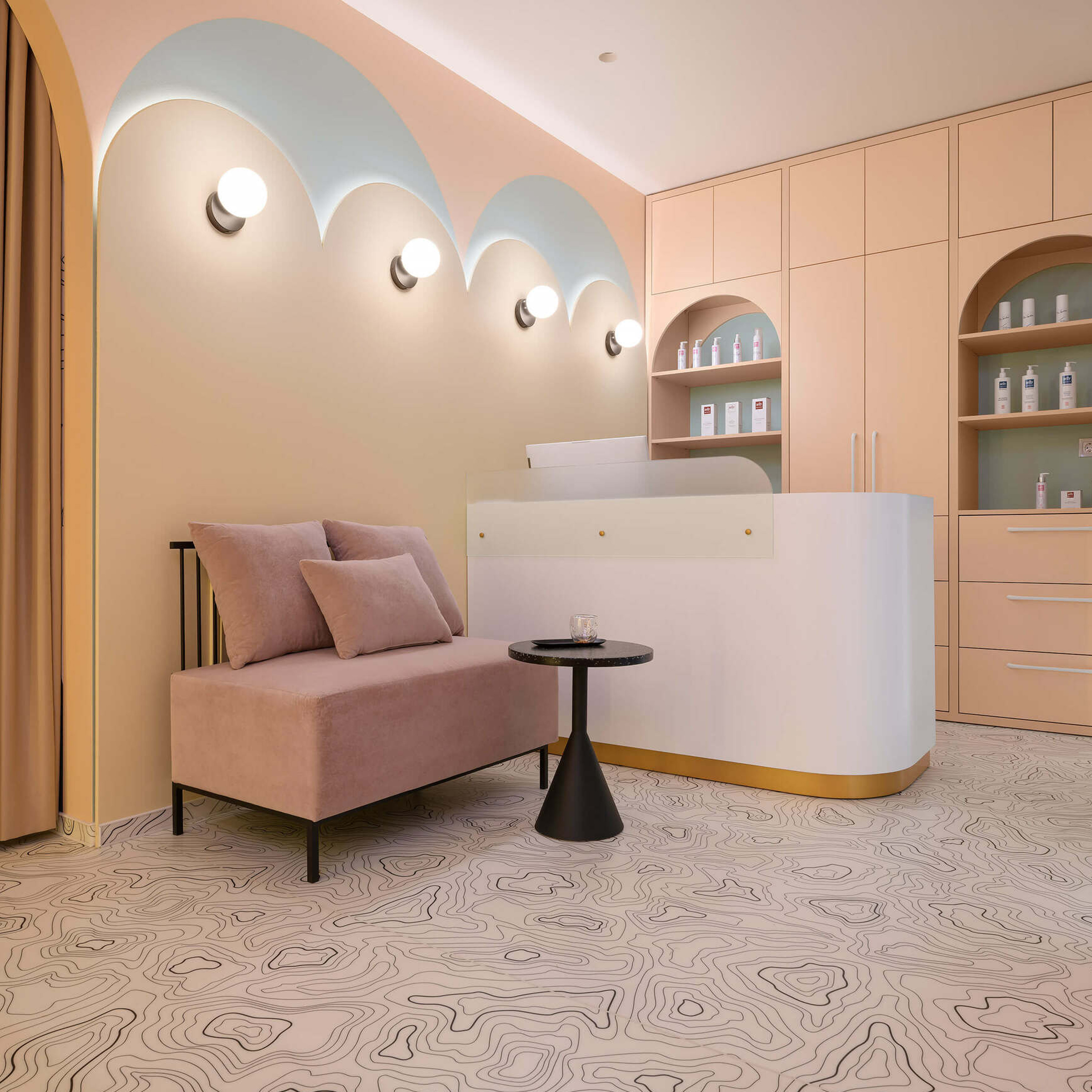
Tiny Sofa shows modularity at a smaller scale: one section can work in a narrow room.
How to plan a modular sofa configuration
A modular sofa configuration should begin on the floor plan. Mark doors, radiators, outlets, cabinet swings and the path to the balcony. Then tape the sofa's maximum outline onto the floor. Living with that rectangle for two days is more revealing than a polished render.
In a small apartment, two compact units or a straight run with an open end may be enough. A Tiny Sofa section is listed at 100 cm wide and 60 cm deep, although the final order must be calculated for the chosen specification. An open end also feels lighter than a substantial arm.
In a large living room, focus on conversation rather than sheer length. An L-shape brings people closer; a U-shape can create a room within a room. The shown S28 configuration measures 396 by 250 cm and is 99 cm deep, so seat count alone tells only half the story.
For open-plan use, inspect the back. Away from a wall, it becomes a façade. COMBO Sofa 2, for example, uses an exposed metal frame that looks intentional from behind.
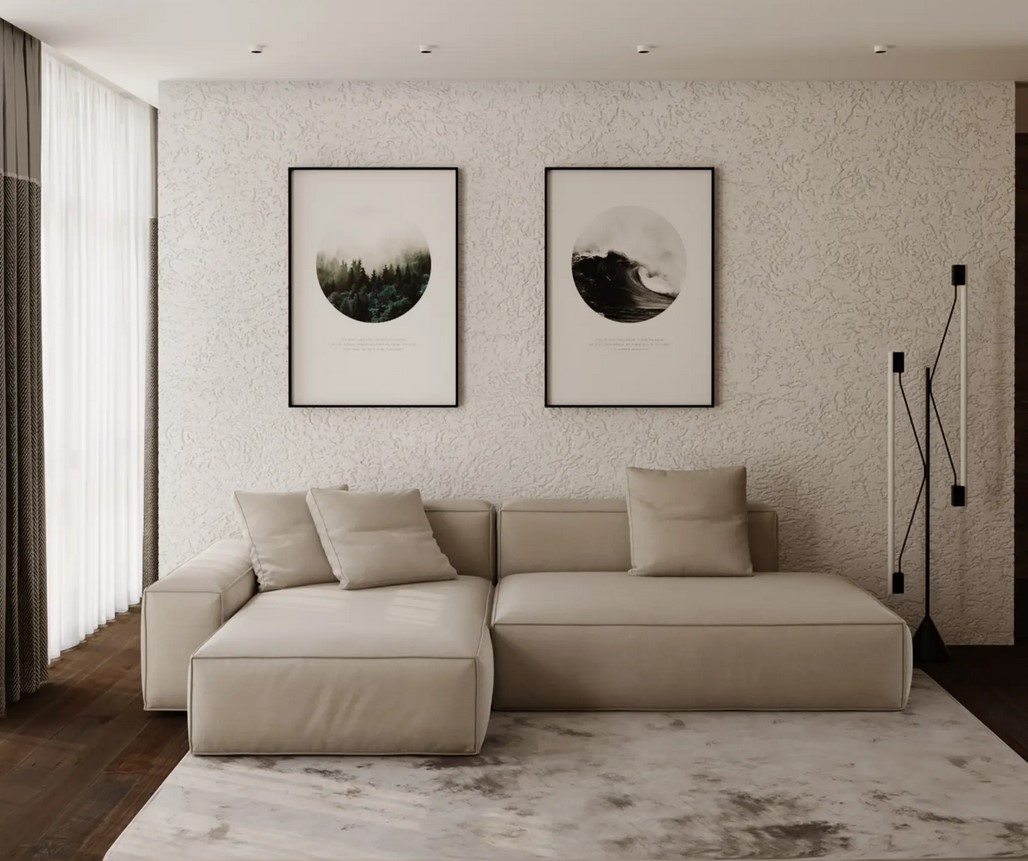
A generous corner layout needs a circulation plan as much as it needs the right upholstery.
Modular sofa or regular sofa?
A modular sofa versus a regular sofa is a question of use, not modernity. A system makes sense for an awkward length, a corner, an open end or the option to add a seat later. If the position is fixed, a single-frame straight sofa may be simpler.
Modules also create more joins. Sections can move differently on carpet and timber, while a later batch of fabric may vary slightly in colour. If future expansion matters, ask how long the collection and its upholstery will remain available.
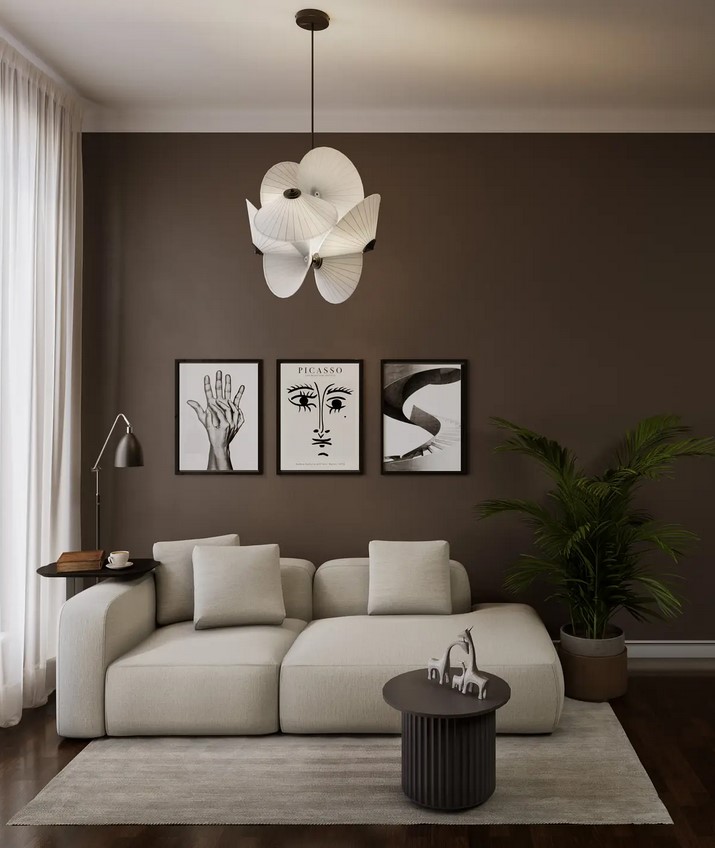
Glory forms a calm straight composition without looking like technical kit furniture.
What to check before ordering
- the size of every unit and the complete footprint;
- approved combinations of centre, end and corner pieces;
- connector type and whether units work independently;
- fabric direction and availability for later additions;
- the delivery route through doors, lifts and stair turns.
Once the layout is settled, compare MAIIMO modular sofa systems by module size and available section types. A measured plan will make the consultation far more useful than a mood board alone.
Frequently asked questions
Can modules be rearranged every day?
Not necessarily. Some systems are designed for frequent release; others use heavy pieces or connectors intended for occasional assembly. Check the exact instructions.
Can each section stand alone?
Only when the manufacturer allows it and the sides and feet are finished for independent use. An unsecured centre unit may drift.
Can a modular sofa work in a small room?
Yes, if its sections are compact. A very deep seat can still overwhelm a room even when the overall run is short.
Can I add another module later?
Yes, while the collection, hardware and matching upholstery remain available. Confirm that plan before the first order.