Caring for a Dining Table: Wood, HPL and Resin Without Stains or Scratches
Dining Table Care: Wood, HPL and Resin Without Stains or Scratches
A dining table will outlast most furniture in the home — if you know its material's rules. The same cup stain behaves differently on solid wood, on HPL and on resin, so dining table care starts not with expensive products but with understanding what your tabletop is made of.
We see it in practice: most "ruined" tables didn't survive years so much as a few unlucky moves — a hot pan without a trivet, or an aggressive spray meant for a different material. Let's go through how to care for each type and how to remove marks once they've appeared.
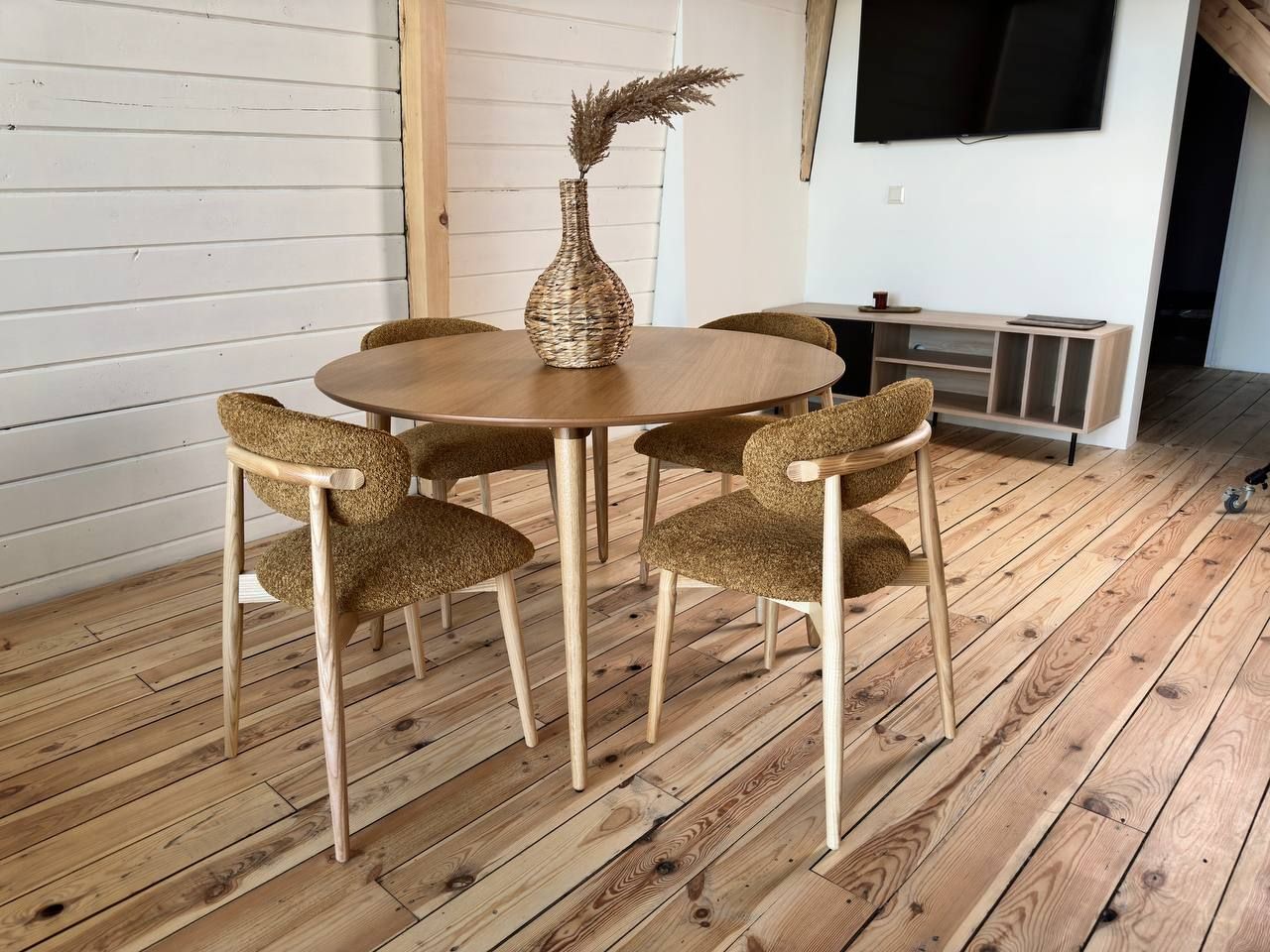
Everyday rules for any table
A few habits work across all materials. Wipe spills at once — even the most resistant surface dislikes puddles that stand for hours. Always use a trivet under anything hot and coasters under glasses: cup and heat marks are the hardest to remove later. Don't drag heavy objects across the top, to avoid scratches, and keep wood out of direct sun — it dries out and fades even good solid timber.
One small thing people forget is ceramic tableware and decor with rough bases. The coarse glaze of vases, candle holders or plates scratches a surface no less than a knife, so anything that sits on the table permanently is worth putting on felt pads. And a word on cleaning cloths: microfibre is safe almost always, while embossed paper towels on a gloss finish can leave faint scratches.
Wooden tables — solid wood and veneer
Wood likes dryness and gentleness. Day to day it's enough to wipe the top with a dry or slightly damp soft cloth; for tougher marks use a mild soapy solution, but wring the cloth well, because standing water is more dangerous to wood than the stain itself. Every few months solid wood should be refreshed with a protective oil or wax — this restores the top's colour and seals the pores. Avoid abrasive powders, ammonia and alcohol sprays: they strip the protection and leave matte patches.
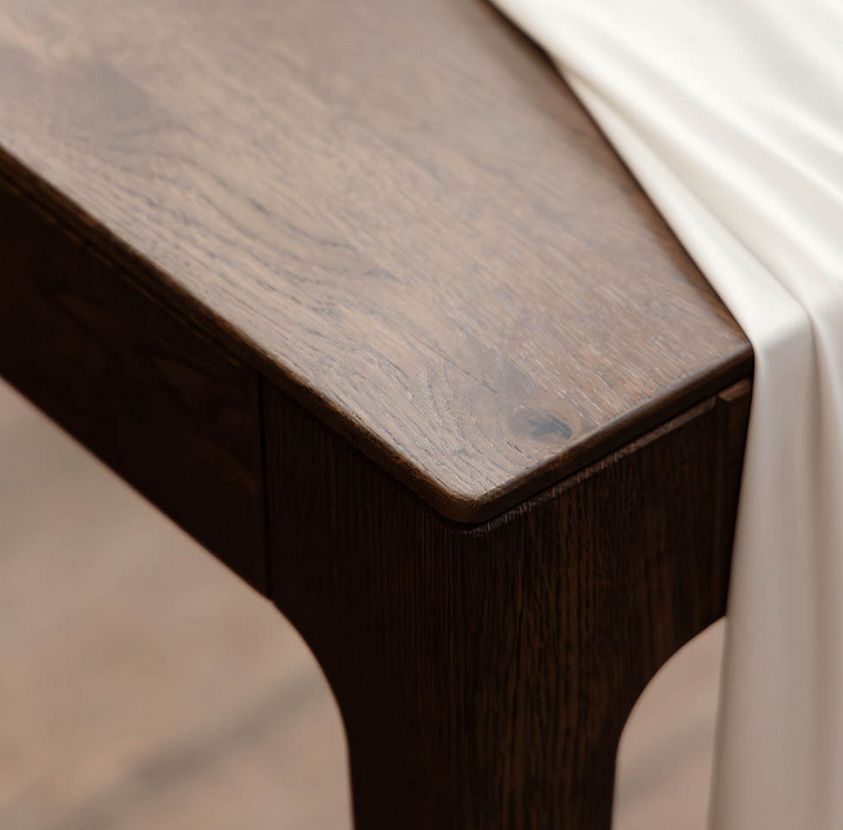
With veneer it's the same on the surface, but with two caveats: don't soak the edges (there's a glue seam there) and don't sand it like solid wood — the layer is thin. If a white ring from a cup or something hot is left on a wooden table, try gently warming the mark with a hairdryer or rubbing in a drop of oil — on an oil-and-wax finish this often restores an even tone; a deep mark comes out with light sanding and re-oiling. Ready wooden tables last for decades precisely thanks to this simple care rhythm.
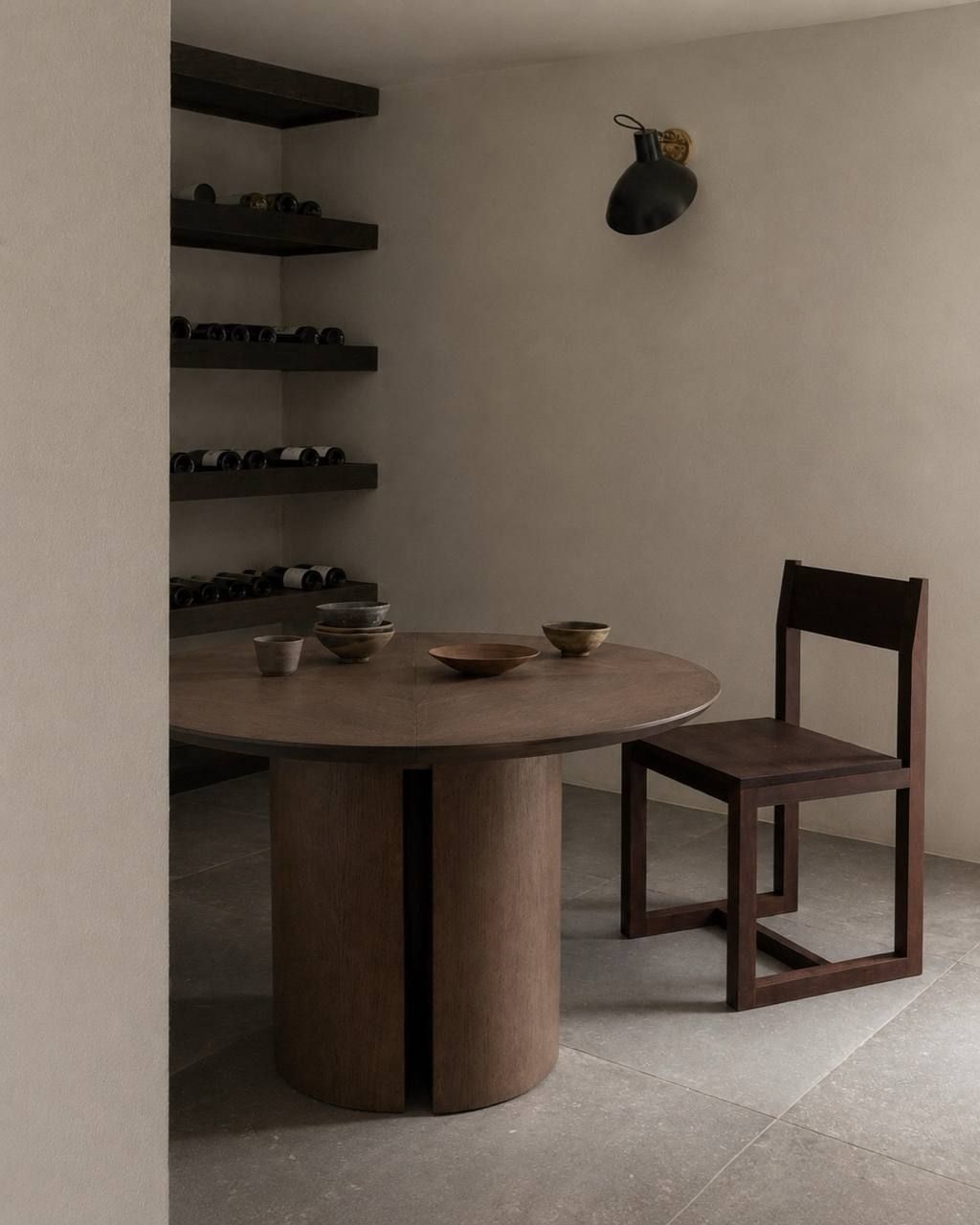
HPL — the easiest to care for
HPL is a material that forgives almost anything. A damp cloth with an ordinary mild cleaner is enough; it doesn't fear hot cookware, moisture or household chemicals, so it needs no special care. The one caveat is not to scrub it with hard metal sponges or abrasive powders: on a smooth surface they can leave micro-scratches that dull it over time. The matte texture of HPL, by the way, hides fingerprints and small marks better than gloss — another reason for its popularity in the kitchen. In everything else, HPL tables are the calmest option for a family with children and a heavily used kitchen.
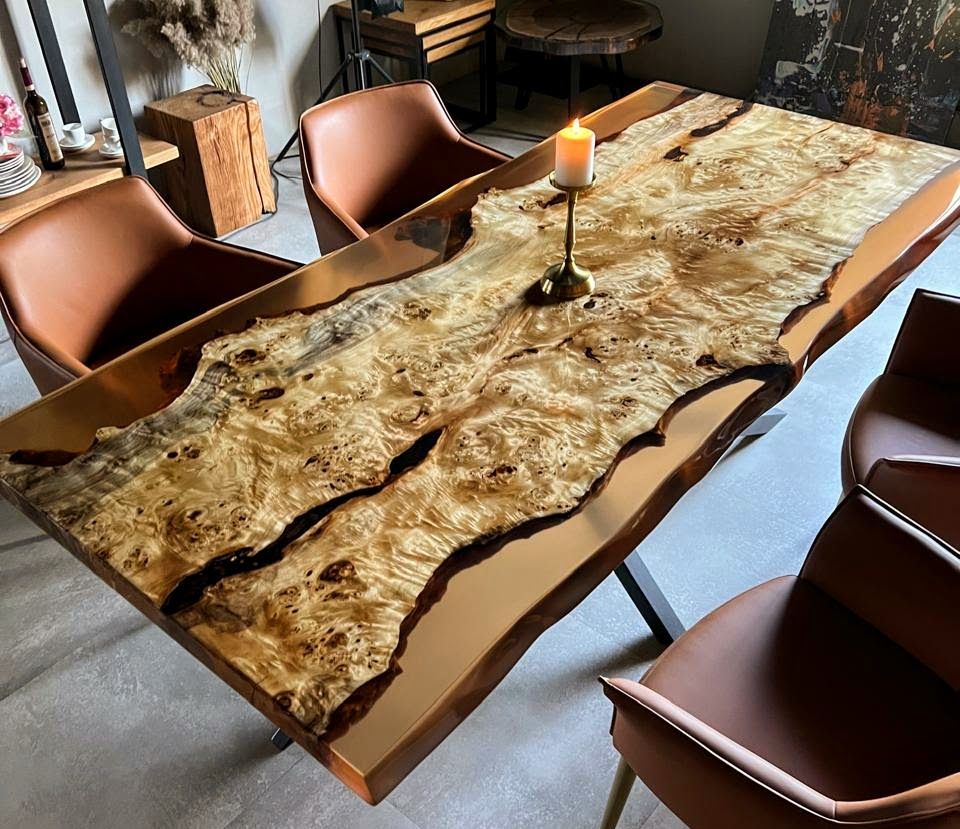
Epoxy-resin tables and slabs
Resin calls for delicacy, not force. Wash the top with a soft damp cloth and a drop of mild cleaner, and wipe it dry at once. The key is to avoid abrasives and strong solvents like acetone: they cloud clear resin and leave dull marks that are almost impossible to remove. Don't put anything very hot directly on the resin either — it's more heat-sensitive than stone or HPL. Once a season the surface can be refreshed with a dedicated resin polish to bring back the depth of shine, while the wooden parts are oiled like ordinary solid wood. With that care, epoxy-resin tables stay looking like a piece of art for years.
Stains and marks: a quick cheat sheet
A few common situations and what to do. A white ring from a cup on wood — gentle heat from a hairdryer or a drop of oil on an oiled finish. A grease stain — warm water with a drop of dish soap, without rubbing. Candle wax — first chill it (an ice cube in a bag), then carefully lift it off with a plastic card, not metal. A fresh coloured stain (wine, beetroot) on wood — blot at once, don't rub; on HPL and resin it usually comes off with an ordinary cleaner. There's one rule: the faster you react, the smaller the chance a mark stays for good.
What not to do
Three mistakes spoil tables most often. First — leaving water or a spill "for later": moisture has time to sink into the wood or under the veneer edge. Second — grabbing an all-purpose spray without thinking about the material: what's safe for HPL can cloud resin or strip oil from wood. Third — scrubbing any surface with an abrasive or a metal sponge "to be sure": scratches are harder to remove than the stain itself. A gentle but simple routine serves a table better than a heroic scrub once a year.
The questions people ask most
What should you wipe a wooden dining table with daily?
A dry or slightly damp soft cloth. For stains, a mild soapy solution with a well-wrung cloth, without standing water or abrasives.
How often should you re-oil a wooden table?
Roughly every 3–6 months, depending on how heavily it's used. It restores colour and protects the pores.
Does HPL resist heat and scratches?
HPL stands up to heat, moisture and household chemicals. The only things to avoid are hard metal sponges and abrasive powders.
How do you care for an epoxy-resin table?
A soft damp cloth with a mild cleaner, no abrasives or solvents. Once a season, a resin polish, and oil the wooden parts.
How do you remove a white cup ring on wood?
Gently warm it with a hairdryer or rub in a drop of oil on an oil-and-wax finish. A deep mark needs light sanding and re-oiling.
Good care is a habit more than an effort. Once you know your material's rules, a table looks new for years — and choosing the next one, already knowing the care it needs, is easy among ready dining tables in different materials.


