Tile Cube Tables and Tiled Coffee Tables
As seen in Pinterest
Tile cube tables feel like small architecture in the room: a tiled cube by the sofa, a colored tile side table by the bed, a textured accent for a book, coffee and light. Tiled coffee tables add rhythm, color and that quiet statement piece energy without making the room feel over-styled. For a living room, bedroom, hallway or reading corner, this is not background furniture, but a useful object with mood, presence and everyday function.






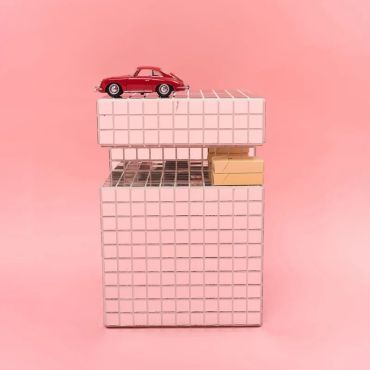
Tile Cube Tables and Tiled Coffee Tables for Character-Filled Interiors
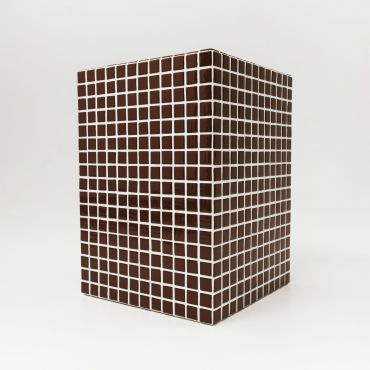
Tile cube tables no longer feel like a random decorative idea from Pinterest. They have become full furniture pieces: stable, textured, colorful or beautifully restrained, depending on the tile color, shape, grout and scale. Their power is simple: they work as a real everyday surface and as a small sculptural object at the same time.
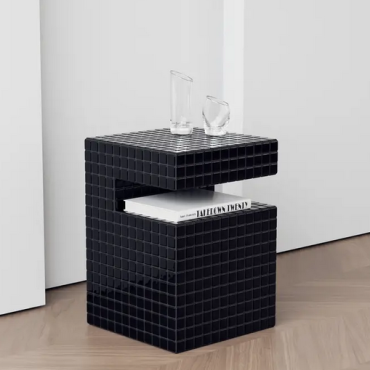
Tiled coffee tables look especially strong in geometric forms: a cube, a long block, a low coffee-table silhouette, a shelf model or a compact tile side table near the sofa. A simple volume gives the tile room to speak. Color becomes deeper, the surface becomes more alive, and the piece feels intentional without extra styling around it.
Tile furniture has its own rhythm: grout lines, small modules, soft shine, matte surfaces and reflections of light. That is why one small cube can shift the whole composition beside a sofa or bed more than several vases or accessories. Fewer objects. More presence.
Why tile cube tables became a design trend
Tile cube tables became visible not only because of color. Contemporary interiors value objects with presence: furniture that does not disappear, but holds a part of the room's mood. Tile does this well because it combines architectural clarity with a handmade, tactile imperfection.
Tile furniture brings back the feeling of a material that is allowed to be seen. Wood gives warmth, metal gives graphic structure, textile gives softness, and tile gives color and order. It does not just cover a form; it turns the form into a rhythm, where every tile becomes a small pixel in the whole composition.
Tiled coffee tables also answer the desire for a trend that can last. When the form is simple and the color is not random, the piece does not feel tired after one season. It can survive changes in textiles, wall color, sofa fabric or decor because it is built on material and proportion, not only on hype.
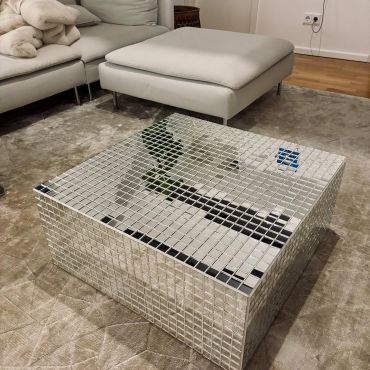
Mosaic tile in recycled glass or ceramic adds another layer: the surface looks alive rather than flat. It reacts differently to daylight, warm lamps, plant shadows and mirror reflections. The piece stays the same, but the room experiences it differently throughout the day.
Tile cube, tiled coffee table and tile side table: the difference
Tile cube usually means a compact cube-shaped table covered fully or almost fully in tile. It can stand by a sofa, bed, armchair, hallway wall or between two lounge chairs. The format is loved for its monolithic look: it feels like a small architectural block rather than a normal table with legs.
Tile cubes work beautifully in pairs or small groups. One cube can be a calm side table; two cubes can become a coffee-table composition; several different heights create a gallery-like effect. This is modular furniture, but with a softer, more interior-design mood.
Tiled coffee table usually describes a lower and wider table with tile on the top or across the whole outer surface. It is closer to the center of the living room: placed in front of the sofa, styled with a rug, books, a tray, a vase, a table lamp or a decorative bowl.
Tile side table is the smaller accent format. It does not need to be the center of the room, but it can easily become the first detail you notice. Beside an armchair, near the bed, next to a low sofa or in a narrow wall gap, it adds color without visual noise.
Tile cube tables can include all of these scenarios: cubes, low coffee tables, side tables and shelf blocks. The important thing is not the English term alone, but the function, proportion and way the object sits in a real interior.
Where tiled tables work best
Tiled coffee tables often begin in the living room because this is where function and accent need to meet. If the room already has a soft sofa, rug, textiles and wood, a tiled cube adds firm geometry. If the interior is cool and minimal, it brings color and handmade texture.
Tiled coffee table models are related to coffee tables, but they carry more visual weight than many classic options. They do not only hold books and cups; they form the center of the room. On a large rug, in front of a low sofa or between two chairs, they look composed and current.
Tile side table belongs naturally beside side tables when you need a small surface near a sofa or armchair. Height matters here: the piece should be comfortable for a cup, phone, book or lamp, not just beautiful in a corner.
Tile furniture can also work by the bed, especially if the bedroom does not want a standard nightstand. Beside bedside tables, a tile cube feels more sculptural: it holds a lamp, book and glass of water while avoiding the look of a ready-made bedroom set.
Tile cube tables are also strong as hallway accents. A small cube can hold keys, a vase, a lamp or a scent for the home. In a narrow hallway, choose a compact format. Along a wide wall, a longer tiled block or two modules may look more balanced.
Tiled accent tables connect well with wider categories such as tables and designer tables, but their role is different. They are not dining tables or work surfaces. They are composition pieces for a sofa, chair, bedroom, hallway or living room corner.
How to choose the right shape
Tile cube table
Tile cube table is the strongest shape for this material. A cube has no unnecessary details, so the tile, grout and color read clearly. It looks monolithic, does not need complicated styling and can become a statement piece even in a very quiet room.
Tile cube is useful because it can move between scenarios. Today it stands by the sofa, tomorrow by an armchair, later it works as a bedside block. If the interior changes, the cube still makes sense because the form is neutral and the character comes from the tile.
Low tiled coffee table
Tiled coffee table is better when the room needs a real center. It should match the sofa and rug: not too small to disappear, not too massive to block circulation. Width, height and the actual number of things you place on the surface matter more than a product photo alone.
Tiled coffee tables with a long, low shape can feel calmer than cubes. They do not jump into the room as sharply, but they create a strong horizontal line. This is a good choice when the space already has an expressive chair, colorful sofa or large artwork.
Tile table with a shelf
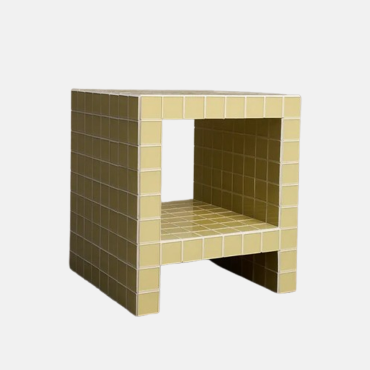
Tile table with a shelf is a practical option when you need beauty and storage at once. The top stays open for a cup, lamp or vase, while the lower shelf can hold books, magazines, a remote or small decor. It is a format for real life, not just styling.
Tile side table with an open niche is especially useful by a bed or sofa. It feels lighter than a solid cube but keeps the character of the material. In a small room, the shelf helps keep the top clean and makes the whole composition calmer.
Tile, grout and color
Tile color creates the first impression. Small mosaic looks graphic and lively; a larger tile module feels more architectural and calm. Glossy surfaces catch light, while matte finishes feel softer. Two tables with the same shape can feel completely different because of the tile choice.
Coffee table tiles in light tones make the object more delicate. White, milky, grey, sand or pale green work well in quiet rooms where you do not want a sharp color accent. The piece still has texture, but it does not take all the attention.
Tiled coffee table in blue, green, coral, yellow or deep burgundy works differently: it becomes a color point. The color should have support in the room, even a small one: a cushion, artwork, rug, ceramic object, book spine or warm lamp tone can connect it to the whole composition.
Grout color can make the surface almost monolithic or very graphic. Matching grout creates a calm effect; contrast grout highlights the grid and makes the piece more playful, bold and sometimes slightly retro-futuristic.
Size, height and proportion
Tile furniture always has more visual weight than a similar piece in thin metal or glass. Tile makes the volume denser, and grout lines reinforce the geometry. Before buying, look not only at measurements, but also at how the piece will breathe beside a sofa, rug and walking path.
Tiled coffee table in front of a sofa should not be so high that it breaks the relaxed line of the seating area. A low format usually feels more modern and calm, especially near a soft rug, deep sofa or low lounge chairs.
Tile side table should be chosen in relation to the armrest or seat height, not only from a catalog image. If it is too low, you will bend awkwardly. If it is too high, it may dominate the sofa and look more like a pedestal than a useful side table.
Tile cube table in a small room should leave space for movement. A cube may be compact and still feel visually solid because of the material. If the passage is narrow, choose a smaller module or a shelf model.
Tile surface needs the right scale. Large tiles on a small cube can feel heavy; tiny mosaic on a large table can create too much visual noise. The best effect appears when tile size supports the size of the object.
Rooms and real-life scenarios
Tile cube tables in the living room can be central or quiet. If the sofa is large and the space is open, a low coffee-table format or a pair of cubes works well. If the lounge area is compact, one small module near the armrest may be enough for coffee and visual impact.
Tile cube in a bedroom can replace a classic nightstand. It avoids the feeling of a full furniture set and adds individuality. It works especially well beside a simple upholstered bed, where contrast is needed: soft plus hard, textile plus tile, calm plus color.
Mosaic tile in a hallway gives the feeling of a small art object right at the entrance. A cube can hold a vase, lamp, keys or seasonal decor. The main rule is practical: it should not block the path or stand where bags and coats will hit it every day.
Tile side table in a reading corner is almost perfect: it holds a book, cup, glasses and a small lamp. Next to an armchair, the tile adds texture, while the compact format keeps the composition light.
Tiled coffee table in an open-plan studio helps define the lounge area. It shows where the relaxation zone begins and creates a visual center without a wall or divider.
Building a moodboard around tile furniture
Tile cube table is easier to choose with a room moodboard. Place photos of the sofa, rug, flooring, lamps, walls and a few decor pieces together. If the table color supports even one of these elements, it will feel integrated rather than simply trendy.
Tile furniture loves material contrast. Tile becomes softer beside bouclé, warmer beside wood, more graphic beside metal and more contemporary beside marble. Everything does not need to match perfectly. It is often more interesting when materials differ but share one mood.
Tile surface can repeat an existing room color or introduce a new one. If the interior is already active, choose a related shade: olive near green textiles, milky near light walls, graphite near dark details. If the room is calm, the table can become the one bright accent.
Statement piece does not mean the loudest item in the room. Sometimes a statement is precision. A small dark green tile cube beside a beige sofa can be stronger than a large multicolor piece if it fits the palette and proportion perfectly.
Styles that work with tiled tables
Tile cube tables in a minimal interior work like controlled emotion. A simple sofa, plain walls, a calm rug and one textured cube can give the room more character than a group of small accessories. The key is to leave space around the piece.
Tile cube in a contemporary room can be bolder: green, blue, yellow, glossy or finished with contrast grout. A modern interior can hold such pieces well when the surrounding forms are simple, the lines are clean and the space has enough air.
Tile furniture in mid-century or warm eclectic interiors looks best with wood, soft textiles, ceramic objects and warm light. Tile brings clean geometry, while wood and fabric keep it from feeling cold. Balance matters more than perfectly matching colors.
Tiled coffee table in a quiet luxury space can be restrained rather than loud: milky, graphite, olive, terracotta or deep green. In this kind of room, tile should show materiality rather than shout trend. What looks expensive is not color alone, but proportion and finish.
Tiled tables can even sit near marble if they do not repeat the same effect. Beside marble coffee tables, tile feels less classic and more graphic. Marble gives natural veining; tile gives module, rhythm and color.
Common mistakes when choosing tile furniture
Tiled coffee table should not be chosen by color alone. A bright tile can catch the eye immediately, but if the shape is uncomfortable, the height is wrong or the piece is too heavy for the room, the excitement fades quickly. Function and proportion come first; shade comes after.
Tile cube is sometimes placed where the room actually needs lightness. In a narrow passage or near a very small sofa, a solid cube can take too much air. A slimmer tile side table, shelf model or lighter tile color may work better.
Tiled coffee table can feel too heavy when the rug is too small. The rug should hold the composition, not fight with it. If the base under the table is visually too small, the sofa-rug-table group falls apart even when each separate item is beautiful.
Tile cube table does not need to be overloaded with decor on top. Its form and surface already do the work. If a lamp, vase, book stack, candle, scent and small objects all sit on the cube at once, the piece loses clarity. One or two objects are usually enough.
Mosaic tile does not like random styling. If the room already has an active rug pattern, bright curtains, a colorful sofa and plenty of decor, the tiled table should be calmer. If the room is quiet, you can choose a stronger color or contrast grout.
Care for tiled tables
Tiled coffee table usually does not require complicated care, but it likes gentle habits. Wipe the surface with a soft cloth, avoid leaving coffee, wine or cosmetic stains for a long time, and do not use aggressive abrasives. Pay special attention to grout lines, because they are the most sensitive part visually.
Tile surface handles everyday use well when treated as furniture, not as a kitchen worktop. Use coasters under hot cups, candles or objects with rough bottoms. This does not make the table less practical; it simply helps keep it clean and fresh for longer.
Mosaic tile with a small module has more grout lines than large tile, so it may need more careful cleaning from time to time. Avoid metal brushes and harsh sponges. With regular gentle care, the piece keeps the shine and color that made it desirable in the first place.
Why choose tile cube tables at MAIIMO
Tile cube tables at MAIIMO are interesting because they are not random decor, but part of a wider selection of Ukrainian object design. You can look not only at a cube or coffee-table format, but at how it works with sofas, lighting, textiles, decor and living room furniture.
Tiled coffee table is easier to choose when you can compare it with alternatives: classic coffee tables, wooden forms, metal accents, marble, consoles and side tables. If you need a taller or narrower piece against a wall, console tables can also help you understand the right format.
Tile cube table looks great in images, but real life needs the right proportions, weight, height and color in a specific room. MAIIMO helps see the piece in an interior context: the sofa nearby, the light, the rug, the space around it and whether it should be an accent or part of a quieter composition.
FAQ about tile cube tables
Is a tiled coffee table practical for everyday use?
Tiled coffee table is practical for everyday use when it has a stable base, an even surface and clean grout lines. You can place a cup, book, lamp, phone, decor or tray on it, but coasters are a good habit for hot or very wet objects.
What is a tile cube?
Tile cube is a cube-shaped table covered with tile or mosaic. It can work as a side table, bedside table, small coffee module or decorative pedestal for a lamp, book or vase. People love it for its clear form and strong material presence.
How is a tiled coffee table different from a regular coffee table?
Tiled coffee table is different because of its surface: tile creates modular rhythm, grout lines, color depth and tactility. A regular coffee table can be wood, metal or glass, while the tiled version immediately adds an architectural and color accent to the room.
Can a tile cube table be used as a side table?
Tile cube table works very well as a side table. It can stand beside a sofa, armchair or bed and hold everything that should stay within reach. The key is choosing the right height and avoiding an oversized piece in a narrow passage.
Are tile cube tables good for small apartments?
Tile cube tables can work well in small apartments if you choose a compact cube, narrow tile side table or shelf model. One object gives you a useful surface, a place for small things and a strong accent, so you do not need much additional decor.
Which shape is more practical: cube or rectangle?
Tile cube is usually more practical as a flexible accent near a sofa, bed or chair. A rectangular tiled table is better for a coffee-table role when more surface is needed. The choice depends on where the piece will stand, not on the trend alone.
Is a tiled table with a shelf useful?
Tiled table with a shelf is useful when you want to keep the top clean. The shelf can hold magazines, books, a remote, charger or small decor. For bedrooms and compact living rooms, it is often more practical than a solid cube with no extra storage.
How do you care for recycled glass mosaic?
Mosaic tile made from recycled glass needs gentle care: a non-abrasive cloth, neutral cleaner and careful attention to grout lines. Do not leave stains for too long or use harsh chemicals. With regular care, the tiled table keeps its shine and clean color.
Will tile furniture look too trendy in a year?
Tile furniture will not look too trendy if the form is simple and the color supports the room. Random effects age faster. A cube, soft geometry, quality mosaic and a thoughtful palette last much longer than seasonal decor.
How can you tell if a tiled table is well made?
Tiled table is well made when it stands evenly, does not wobble, has neat corners, clean grout lines and a coherent tile composition. Look not only at color, but at height, proportion, weight, stability and whether it will be comfortable in daily use.