A Kids' Pouf and Bean Bag: From What Age, Safety and Why It Belongs in a Nursery
- Children's poufs and bean bags: what age, safety, and why you need one in the nursery
- Pouf or bean bag: what's the difference
- From what age, and the key points on safety
- Filling: beads or foam
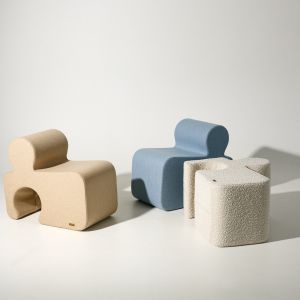
- Modular play poufs: one thing, many shapes
- A reading nook and a space to call "their own"
- Practicality: a removable cover
- Frequently asked questions
Children's poufs and bean bags: what age, safety, and why you need one in the nursery
This is just about the only seat a child chooses for themselves. Not "sit up straight," but flop down, tuck your legs up, curl up with a book — poufs and bean bags live at a child's level, not an adult's.
But behind that soft, easy-going feel lie a few grown-up questions. Let's be honest and work through them: how a children's pouf differs from a bean bag, from what age it's safe, which filling to choose, and why you'd want one in the nursery at all.
Pouf or bean bag: what's the difference
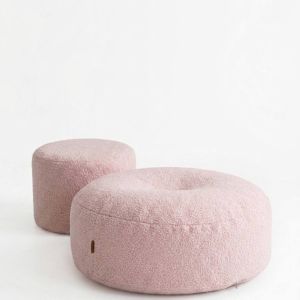
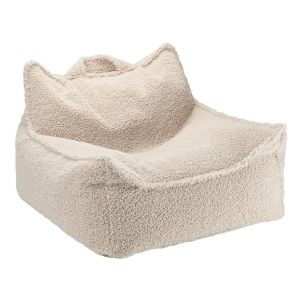
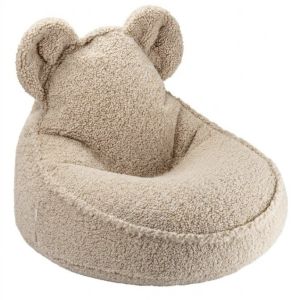
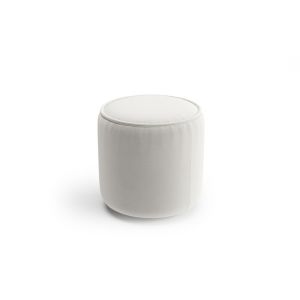
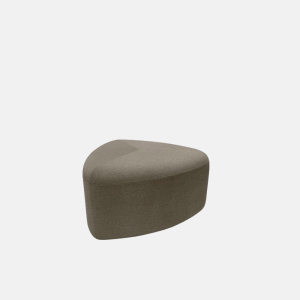
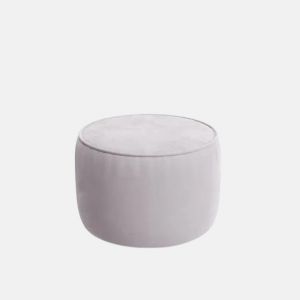
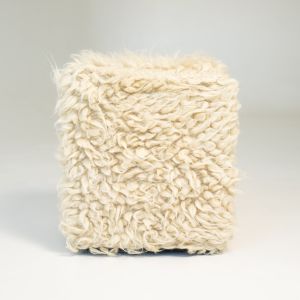
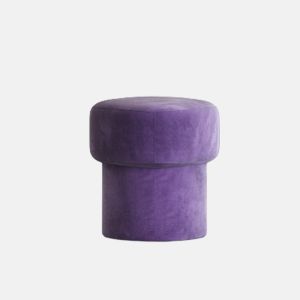
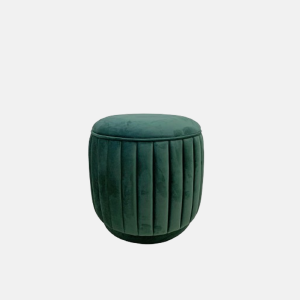
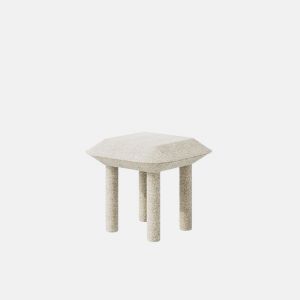
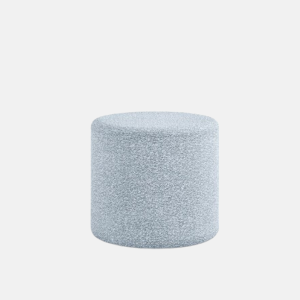
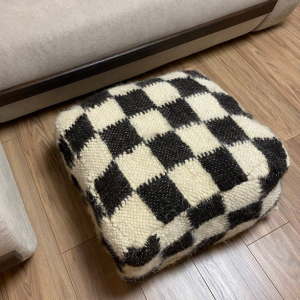
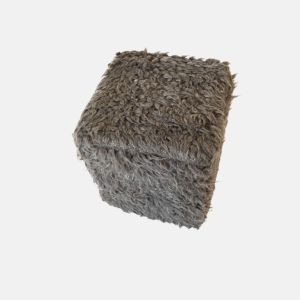
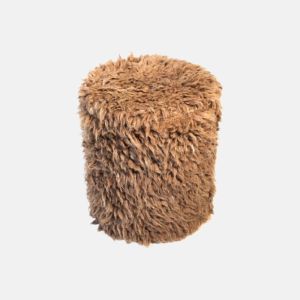
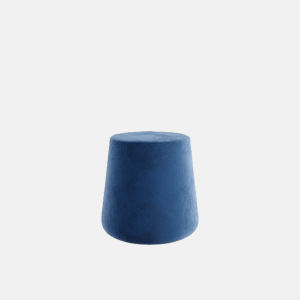
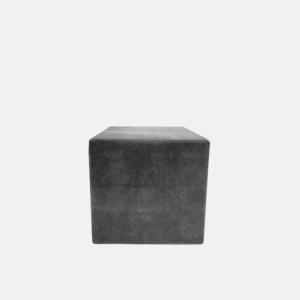
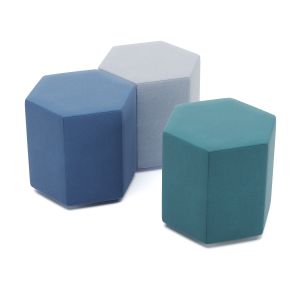
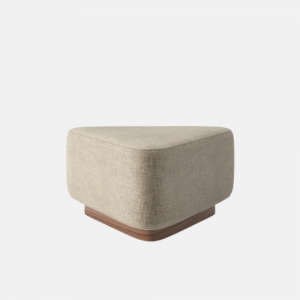
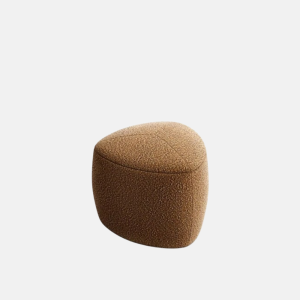
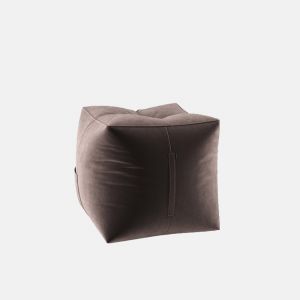
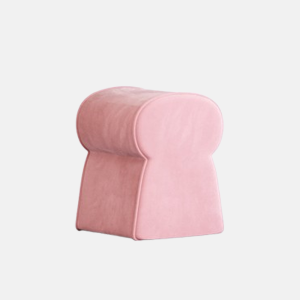
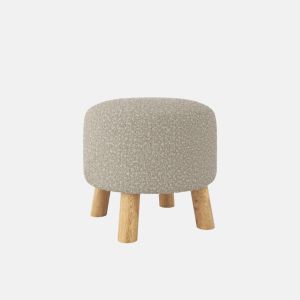
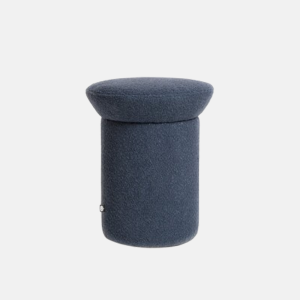
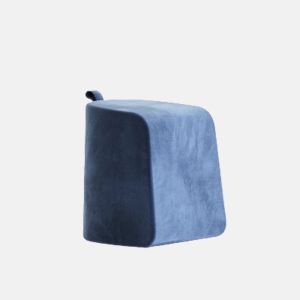
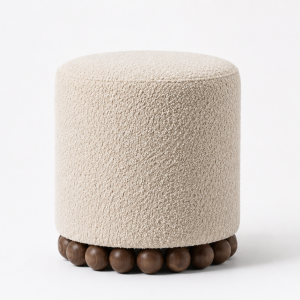
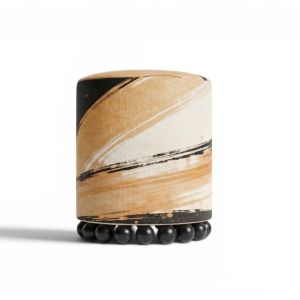
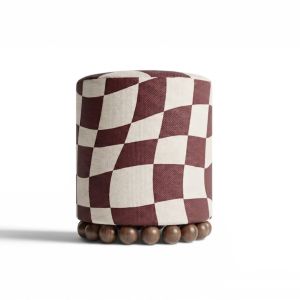
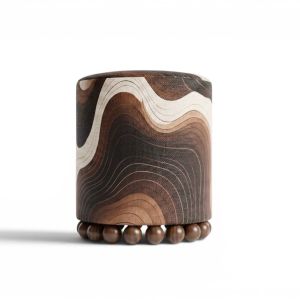
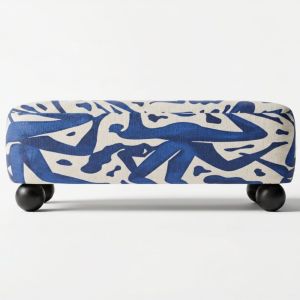
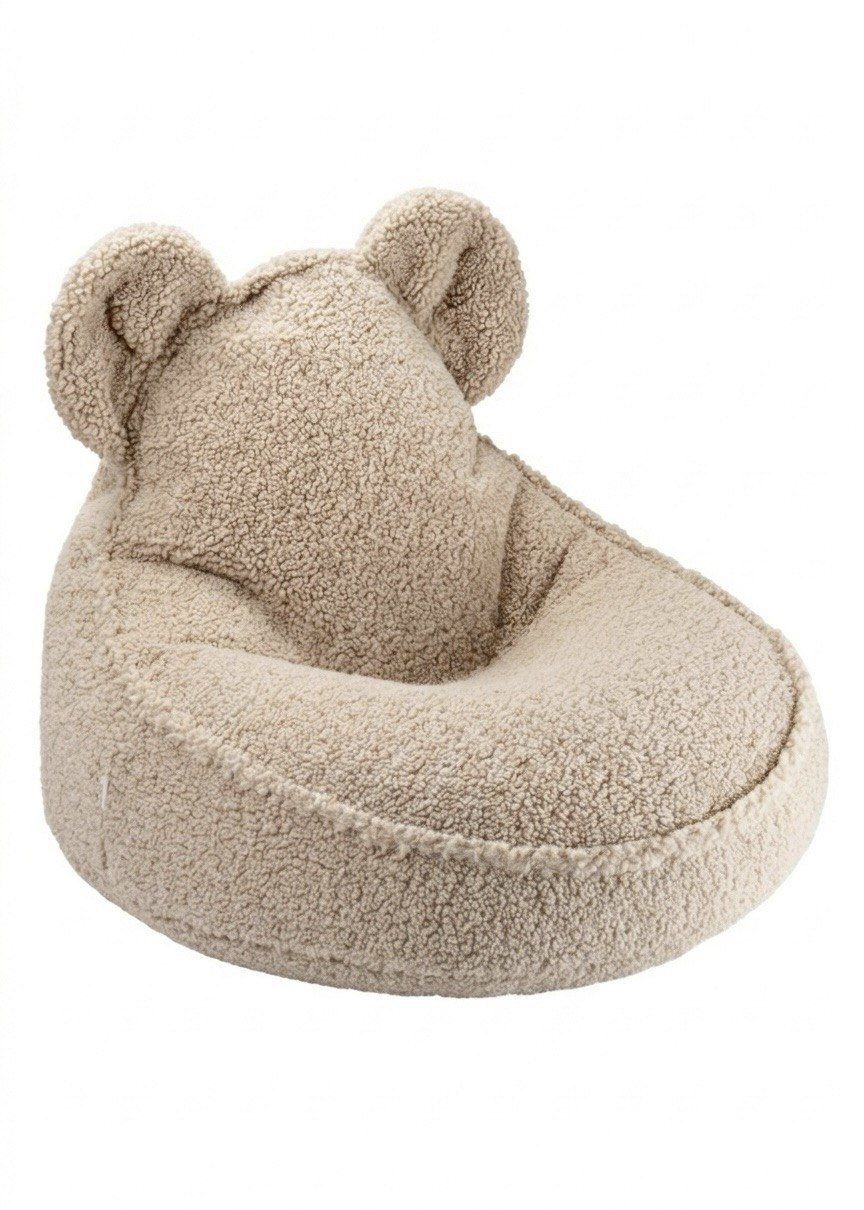
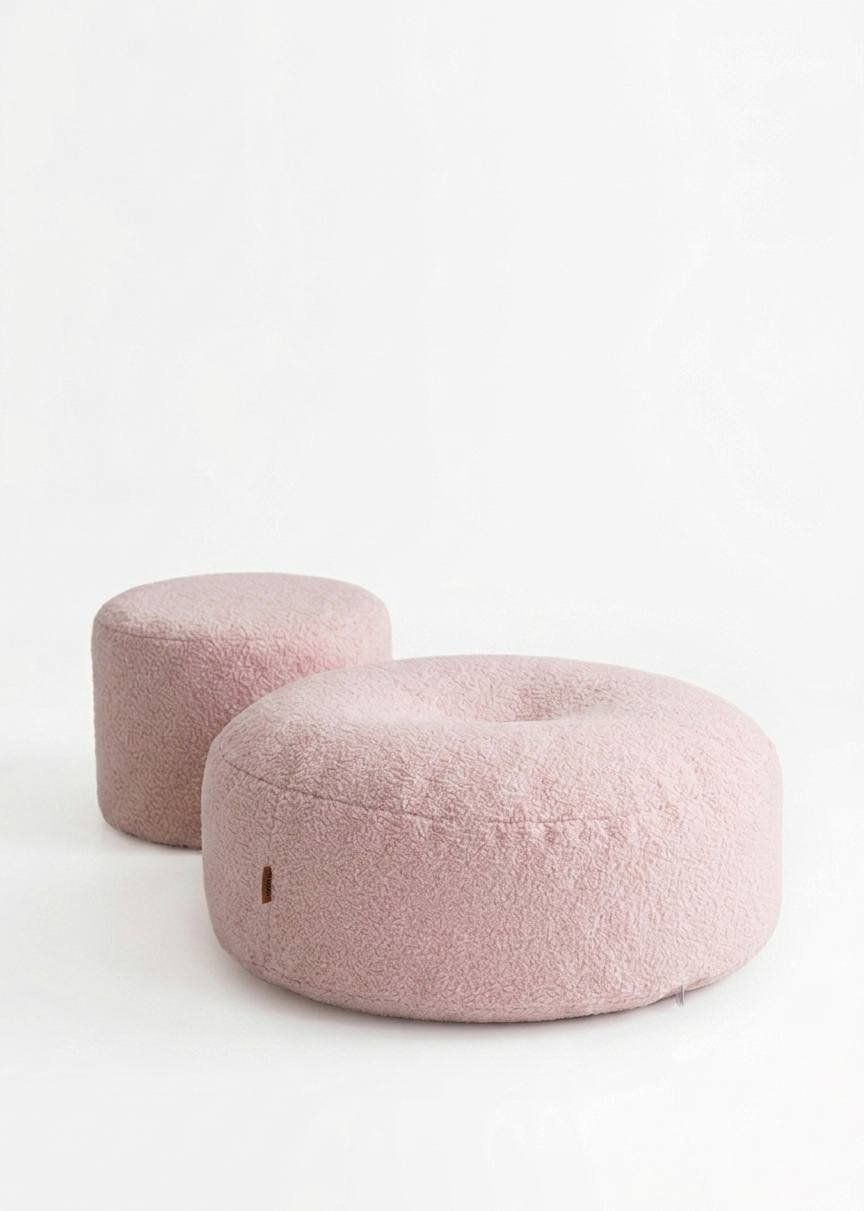
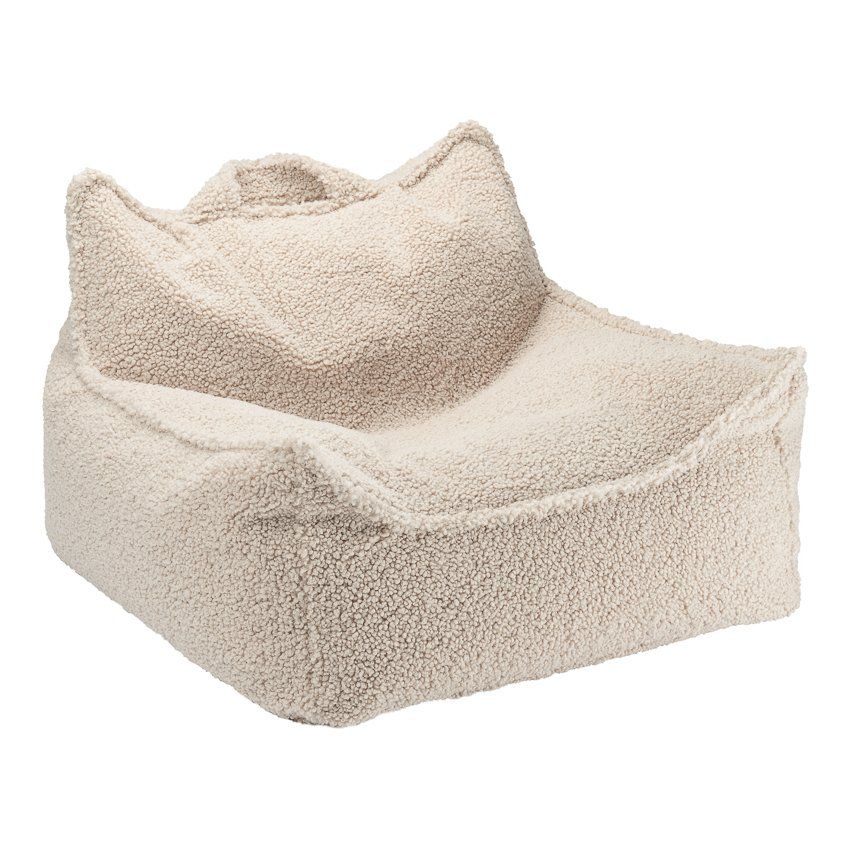
Both are low, soft, and portable, but they behave differently. A pouf holds its shape: it's more of a soft stool — handy to sit on, rest your feet on, or build blocks on — and it always looks tidy. A bean bag, by contrast, hugs the body and moulds to your position: it's for lounging, reading, watching cartoons. A simple rule of thumb: a pouf is about "sit down and do something," a bean bag is about "relax and do nothing." In a nursery a pairing often works well: a pouf by the play table, a bean bag in the rest corner.
From what age, and the key points on safety
Honesty matters here. A bean bag is a seat for a child who is already old enough not to climb inside: it isn't furniture for a baby, and it's certainly not a place for unsupervised sleep. The reason isn't marketing but statistics: overseas regulators have repeatedly recalled bean bags precisely because of the risk that a small child opens the zip, climbs into the bag and can suffocate, or swallows filling beads. So two things are critical: age (roughly from preschool, when it no longer occurs to a child to climb into the bag) and a zip the child can't open themselves — concealed or lockable.
Bean bag safety in brief: not for babies and not for unsupervised sleep; the zip must be protected so the child can't open it and reach the filling; the seams must be strong; and keep the filling itself (fine beads) sealed in. A pouf that holds its shape and has no loose filling is, in this sense, the calmer choice for the very youngest.
Filling: beads or foam
The filling determines both the feel and the upkeep. EPS (polystyrene) beads are light, give that characteristic "loose" bean-bag feel, and a child can easily move the bag around the room themselves; the downside is that over time they compress, so the bag needs topping up now and then. Foam (shredded foam in particular) holds its shape for longer and needs almost no upkeep, but it's heavier and pricier. For nurseries, beads are the more common choice for their lightness, and foam when the seat takes heavy daily use. The main thing is to know in advance: a budget bead-filled bag will eventually ask for a "top-up."
Modular play poufs: one thing, many shapes
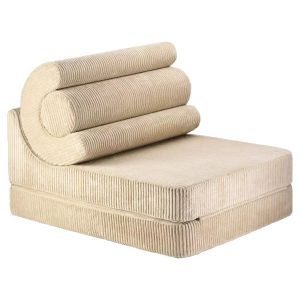
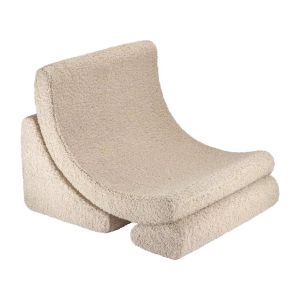
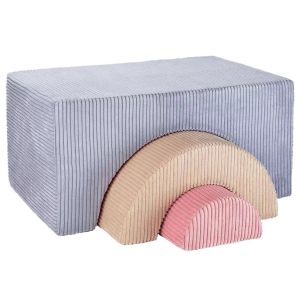
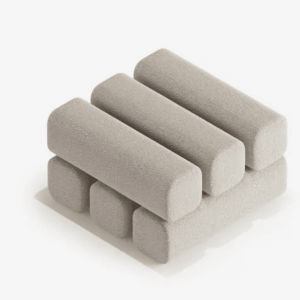
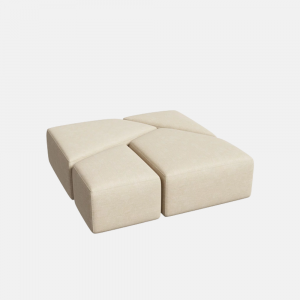
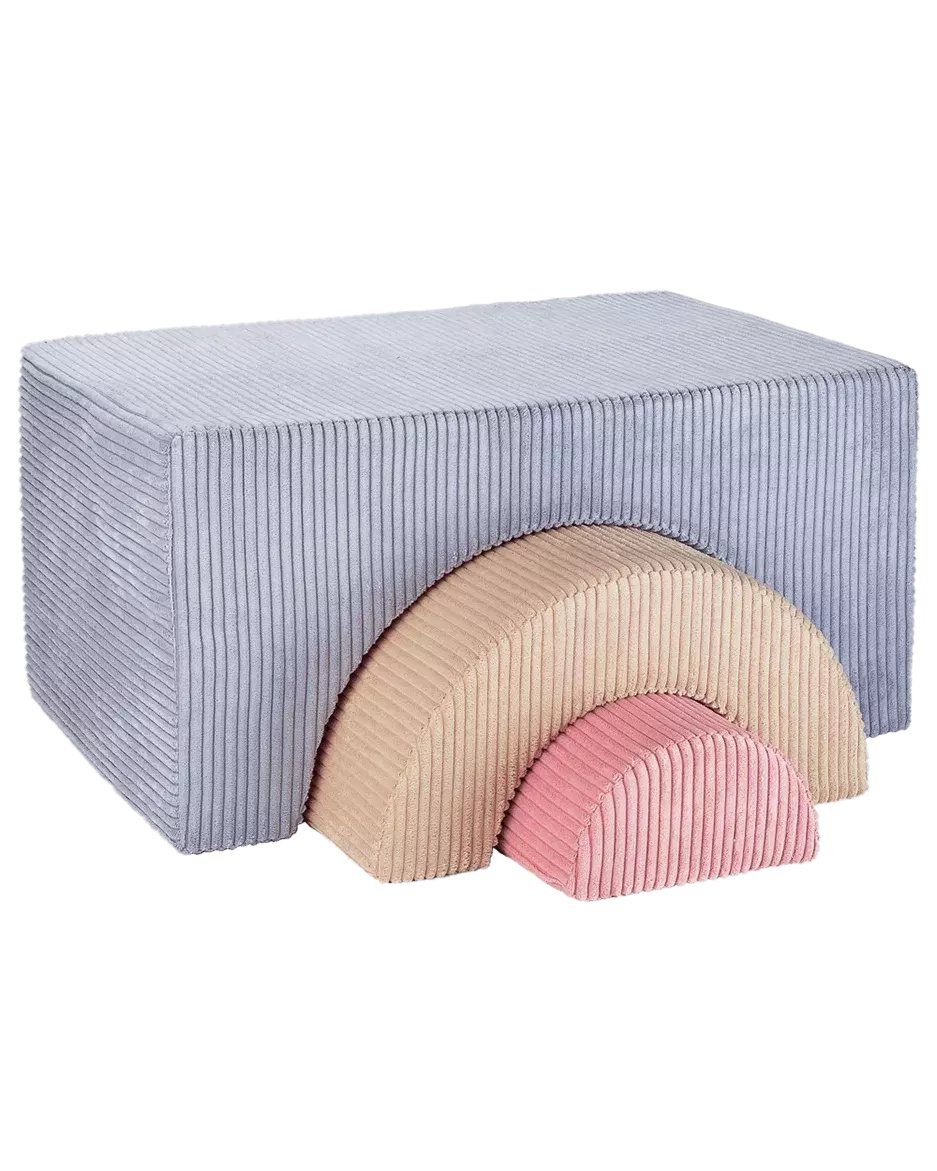
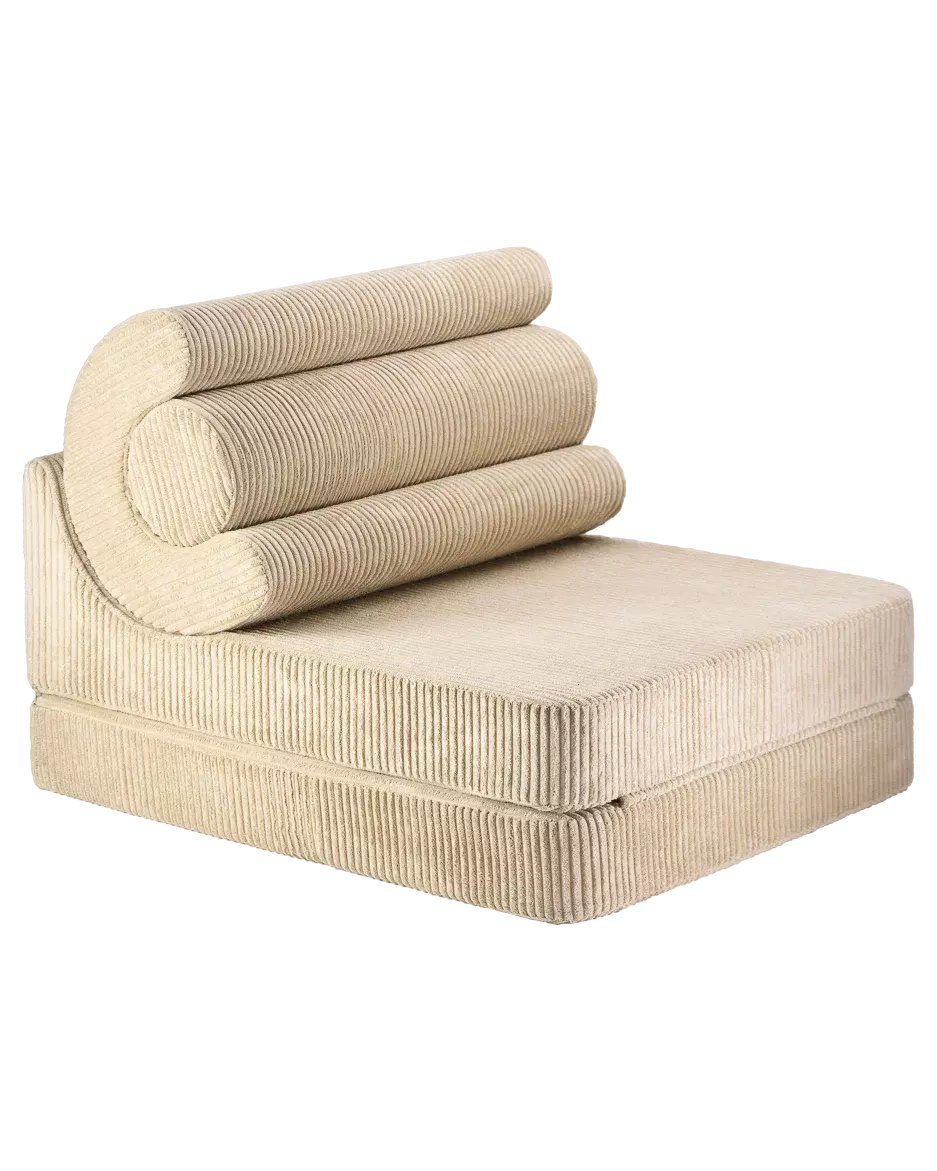
A separate and the most "child-focused" category is play poufs made of soft modules. Their value isn't in sitting but in what gets built from them: a den, a slide, little islands, a pathway — and then it all packs back into a seat. It's open-ended play and movement: the child invents the construction themselves and rebuilds it each time. A pouf like this tucks away easily and grows with imagination rather than with the size of the room. Good examples are the Limmi, Rolli and Pimmi sets.
A reading nook and a space to call "their own"
There's another reason poufs are loved by children and parents alike — they create a soft corner where the child decides how to sit. Psychologists link flexible seating (being able to settle on the floor rather than only at a desk) with a sense of calm and better focus during reading or quiet play. It's not therapy and not a medical promise — the child is simply comfortable, and comfortable means more willing. Put a pouf next to a low bookshelf and you have a ready-made reading nook that nicely complements the room's soft zone.
Practicality: a removable cover
Since a pouf lives on the floor and takes everything on — from juice to modelling clay — the key durability criterion is the same as for any upholstered furniture: a removable cover you can wash, and a dense, stain-resistant fabric. That's the detail that separates "wiped it and forgot about it" from "we'll have to replace it."
The full range of shapes, sizes and textures is in the children's poufs category. When choosing, look at the child's age, the type (pouf or bean bag), the filling and whether the cover comes off — then the seat will outlast any passing craze.
Frequently asked questions
From what age is a bean bag safe for a child?
Roughly from preschool age — once the child no longer tries to climb inside. It isn't a seat for a baby or a place for unsupervised sleep; the zip should be protected so the child can't reach the filling.
Pouf or bean bag — which is better for a nursery?
It depends on the purpose. A pouf holds its shape — good for "sit down and do something" (play, resting feet, a tidy look). A bean bag hugs the body — better for relaxing and reading. People often get both: a pouf by the table, a bean bag in the corner.
Which filling should I choose?
Beads are light and the child can move the bag themselves, but over time they compress and need topping up. Foam holds its shape for longer and needs almost no upkeep, but it's heavier. For nurseries, beads are the more common choice.
Can you wash a children's pouf cover?
On good models the cover is removable and machine-washable. That's the main practicality criterion: a pouf on the floor is bound to "catch" something, so a stain-resistant fabric and a removable cover are a lifesaver.