Кімната для хлопчика: як облаштувати та яке ліжко обрати
A boy's room: how to set it up and which bed to choose
"Blue and toy cars" isn't a boy's room — it's a stereotype. A real children's room is built not around gender but around age and interests — and around a bed that grows together with the child.
Let's work through it calmly and to the point: how to set up a boy's room so you don't have to redo it every year, when to choose a themed bed and when a "grown-up" one, and what to do when there are two boys.
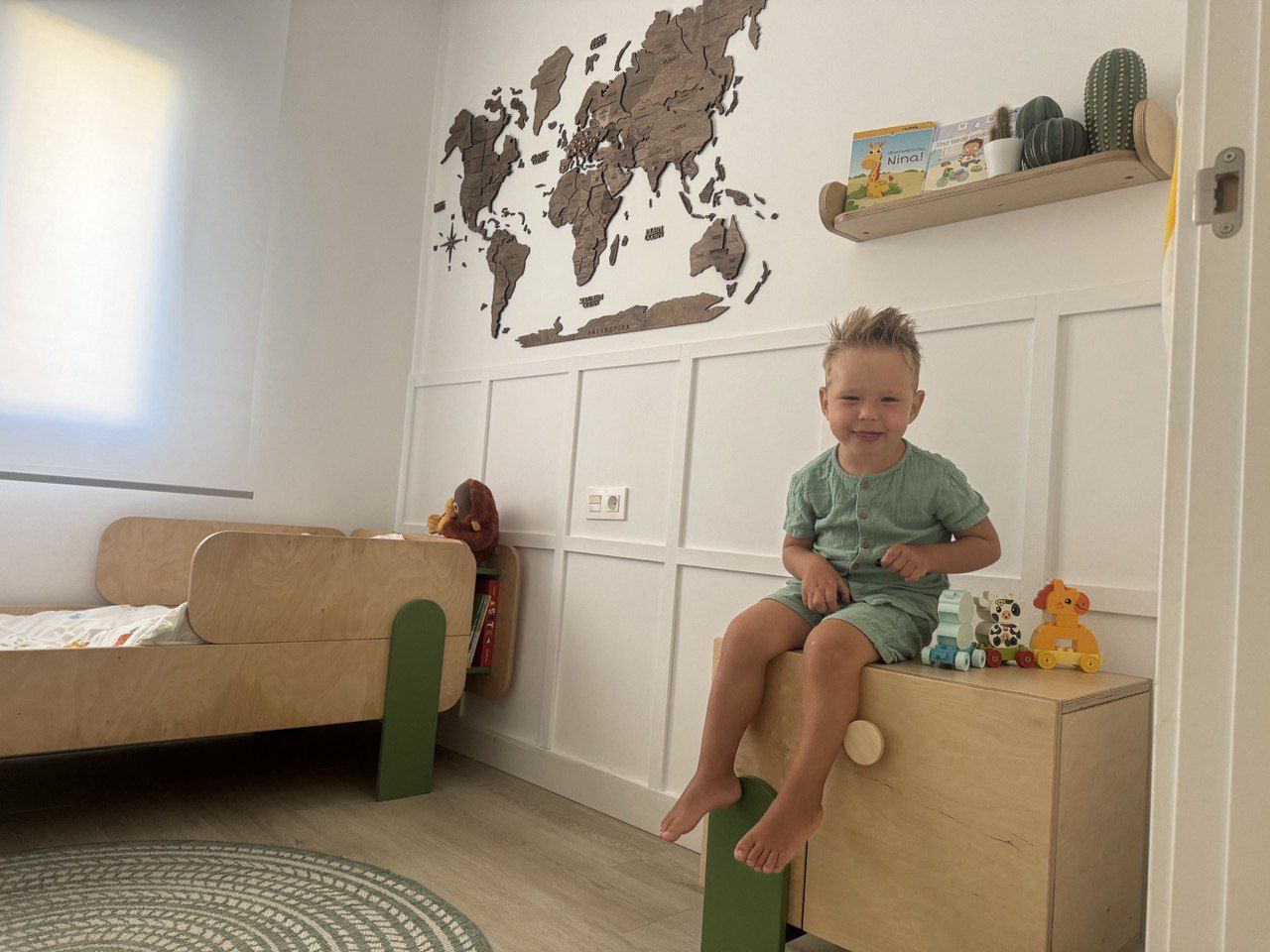
The main rule: choose by age, not "because he's a boy"
A room outlives any theme. A passion for cars or space passes in a couple of years, but the furniture stays — so the base should be neutral and calm, with the "boyish" character added through changeable things: textiles, a poster, a few details that are easy to swap. That way the room grows up along with the child, rather than needing a makeover every time an interest changes.
Hence the approach to the bed: first we look at age and function, and only then at the "theme". The key is to choose for the stage the child is at right now, not for a "boyish" look.
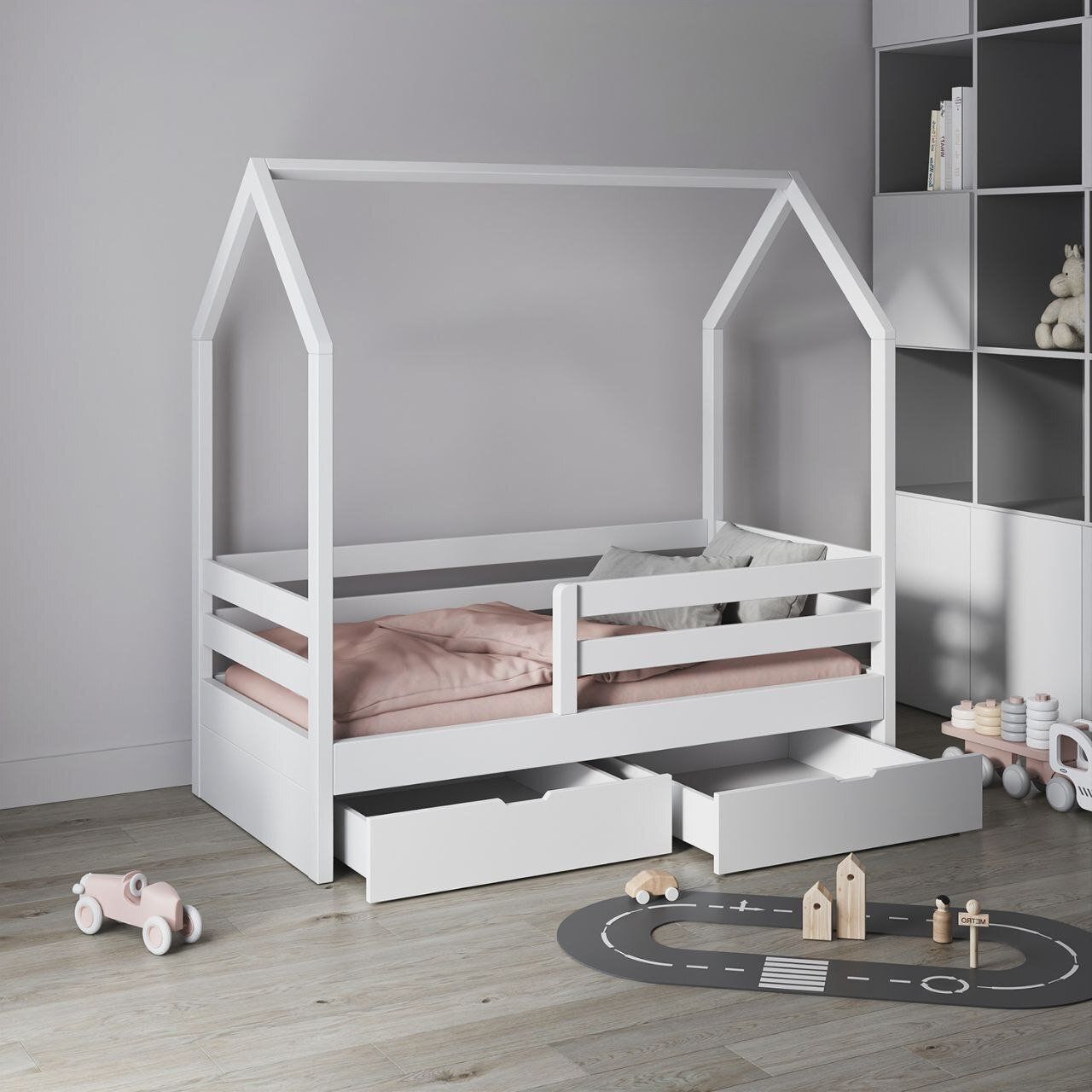
Themed beds: house and car — when they make sense
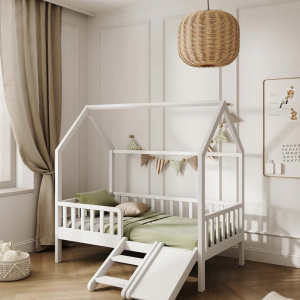
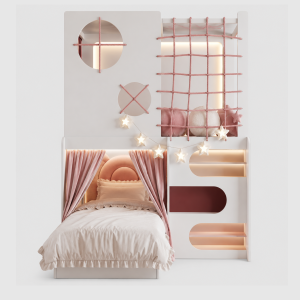
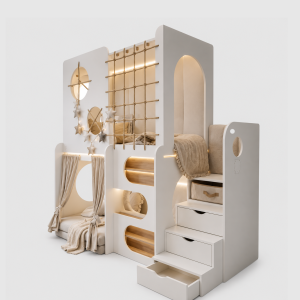
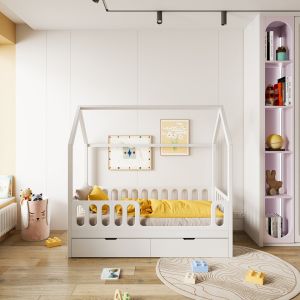
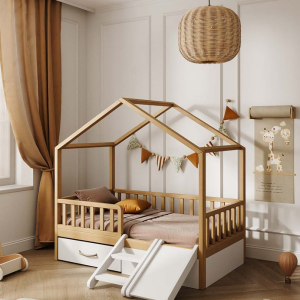
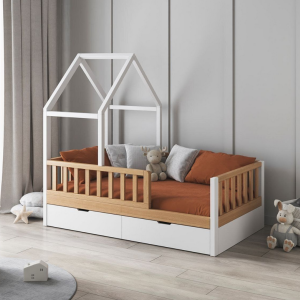
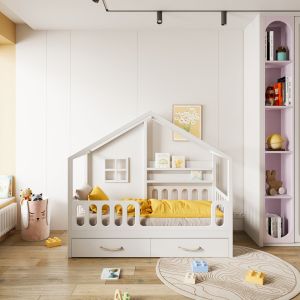
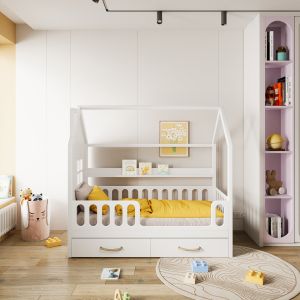
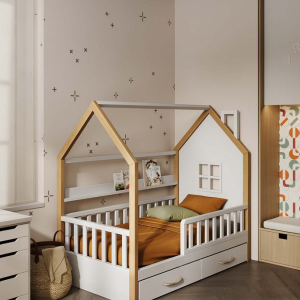
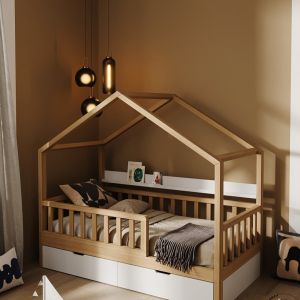
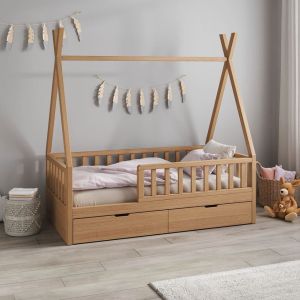
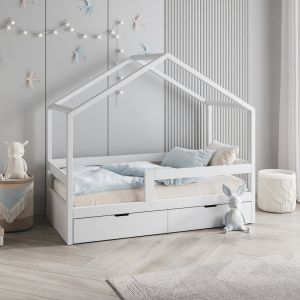
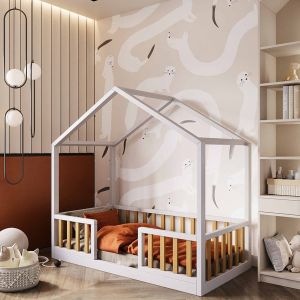
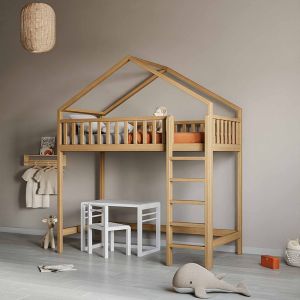
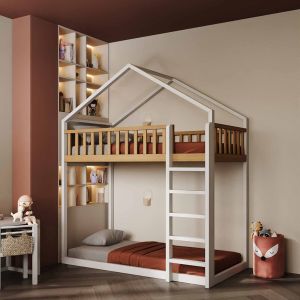
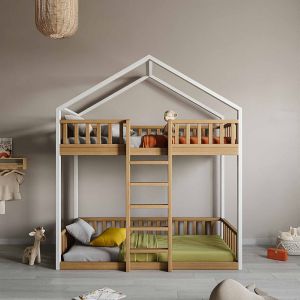
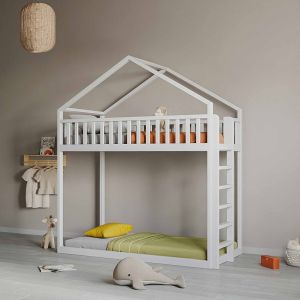
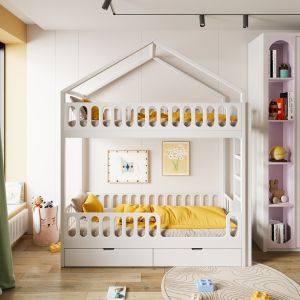
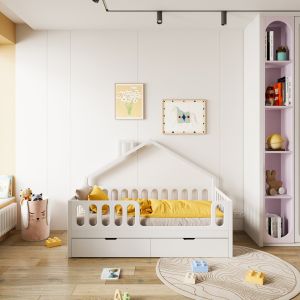
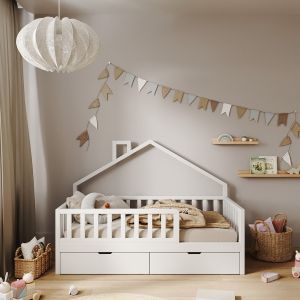
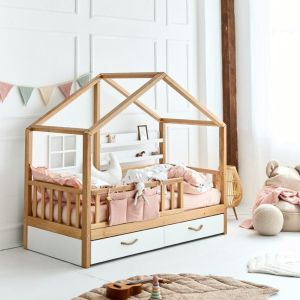
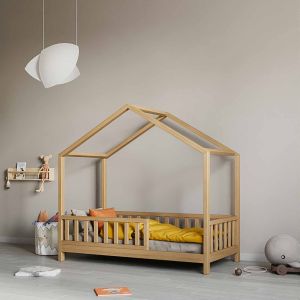
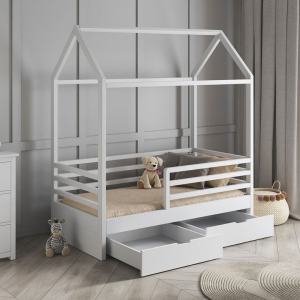
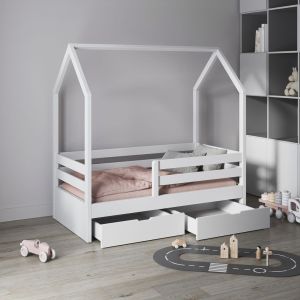
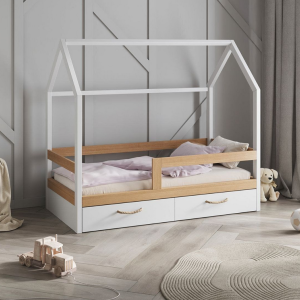
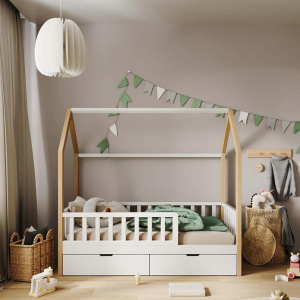
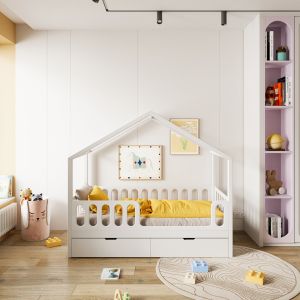
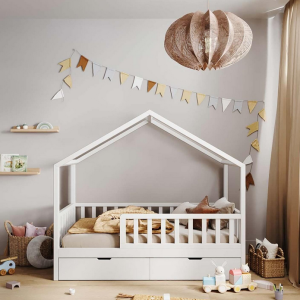
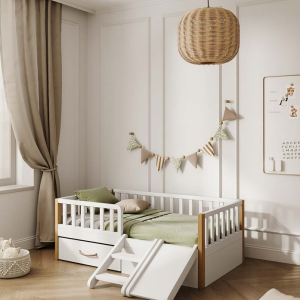
A themed bed is a joy for a child somewhere from 3 to 6 years old, when play and sleep merge into one. A house bed gives the feeling of a private den and fits into a calm interior, while a car bed is the dream of many boys and a strong focal point of the room. The key here is to soberly assess the theme's "lifespan": if the rest of the room is neutral, it's easy to "grow out" of a themed bed without major changes.

A bed that grows up: from Montessori to "grown-up"
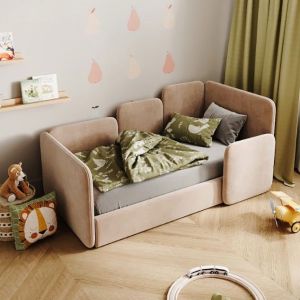
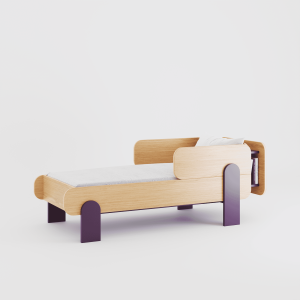
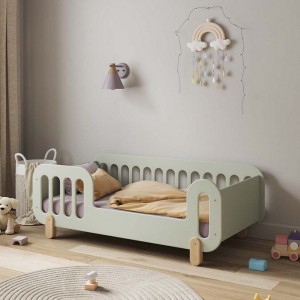
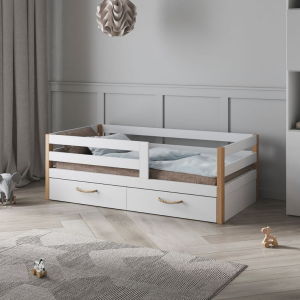
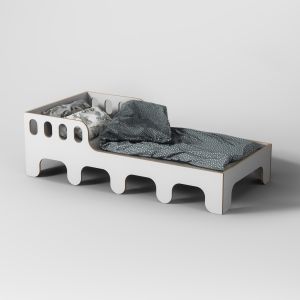
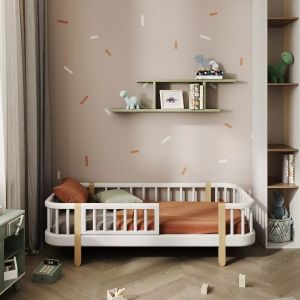
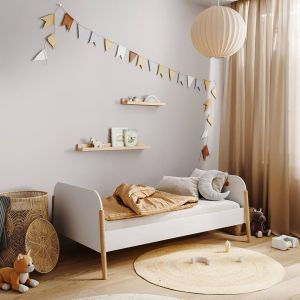
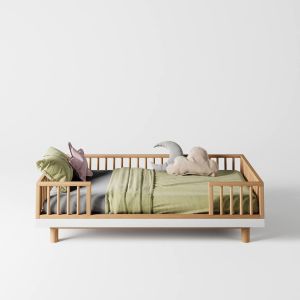
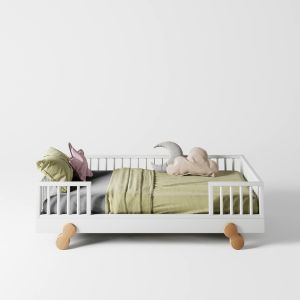
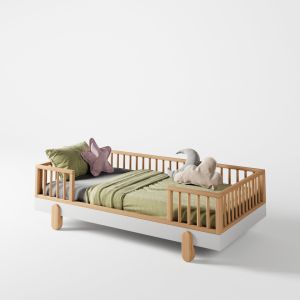
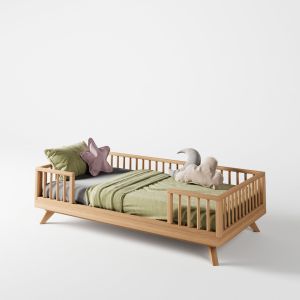
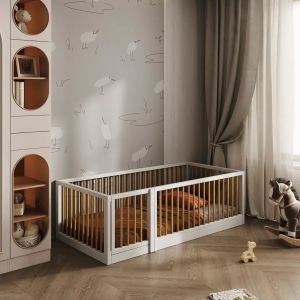
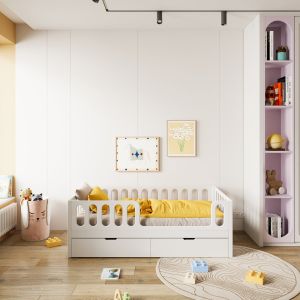
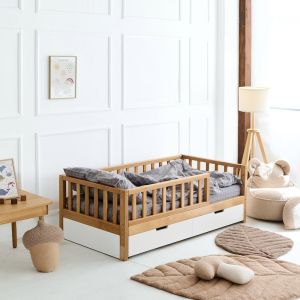
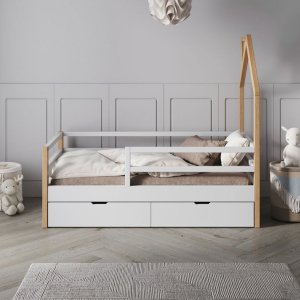
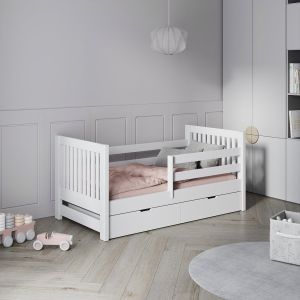
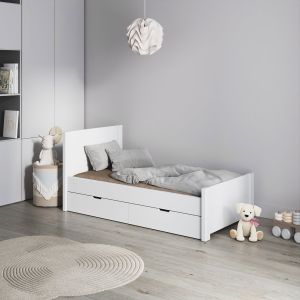
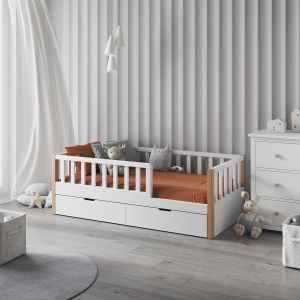
If you'd rather avoid a theme that's quickly outgrown, choose a bed that will grow up with the child. For the youngest, that's a low Montessori-style bed: the child lies down and gets up on their own, and the low position guards against falls. Next comes an ordinary wooden bed with a guard rail that can later be removed. It's a path without abrupt changes: the same logic of furniture to grow into, only the size and height grow along with the child.
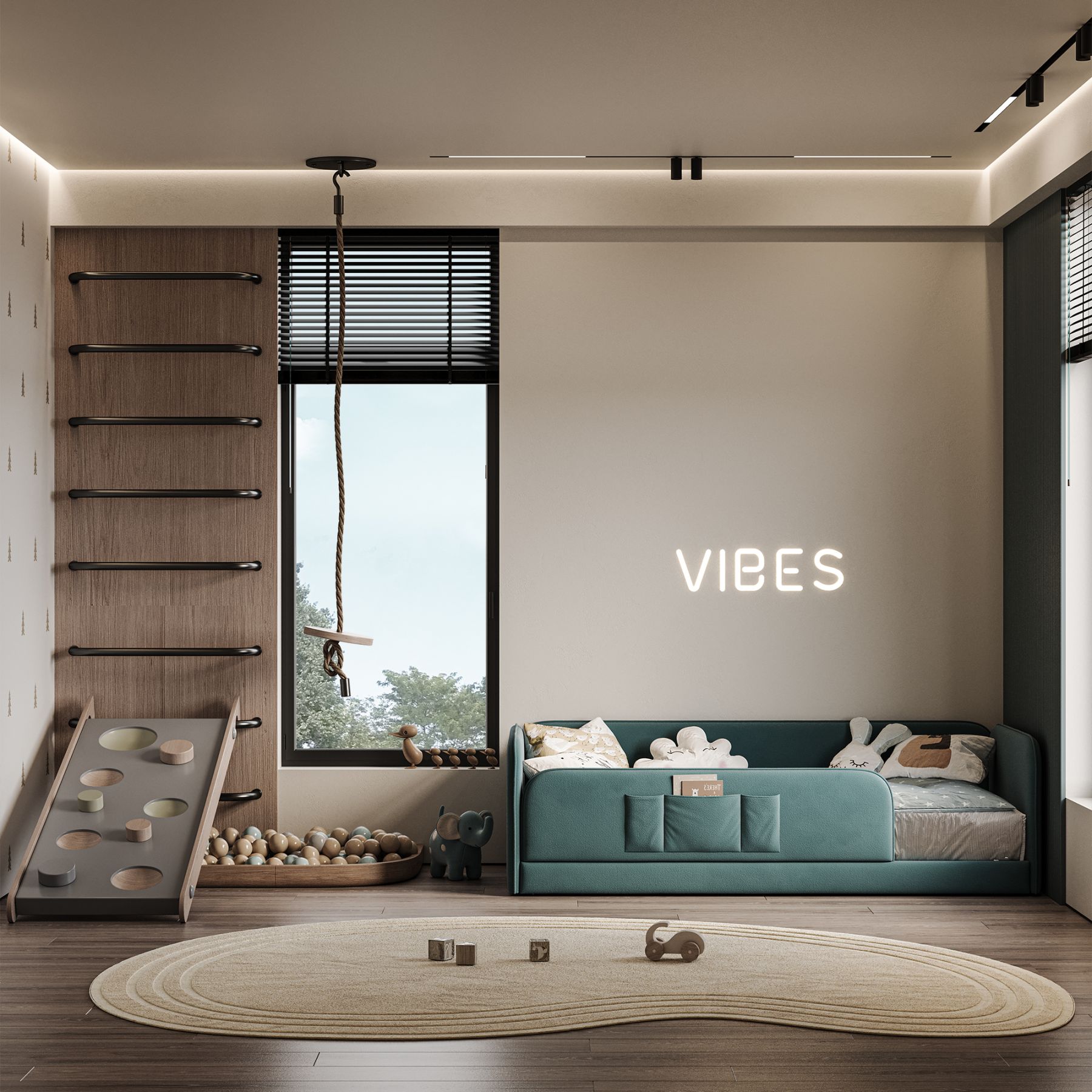
When you want something softer
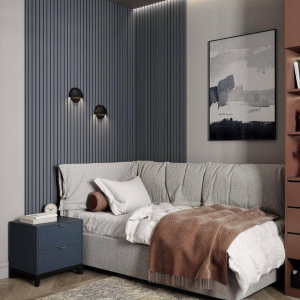
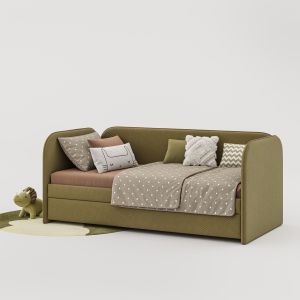
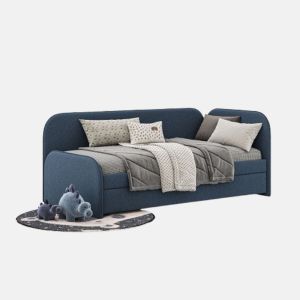
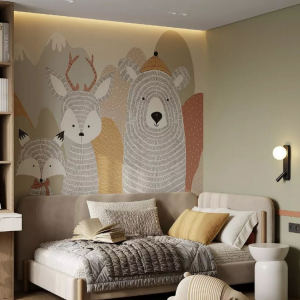
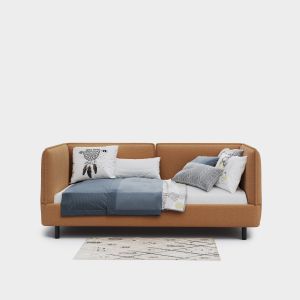
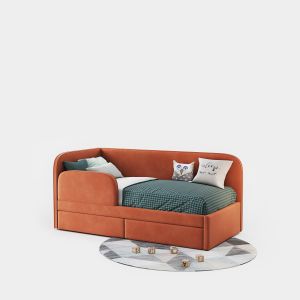
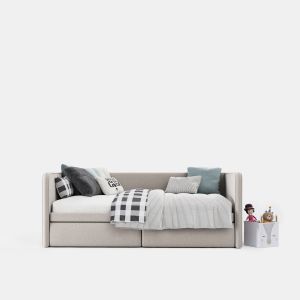
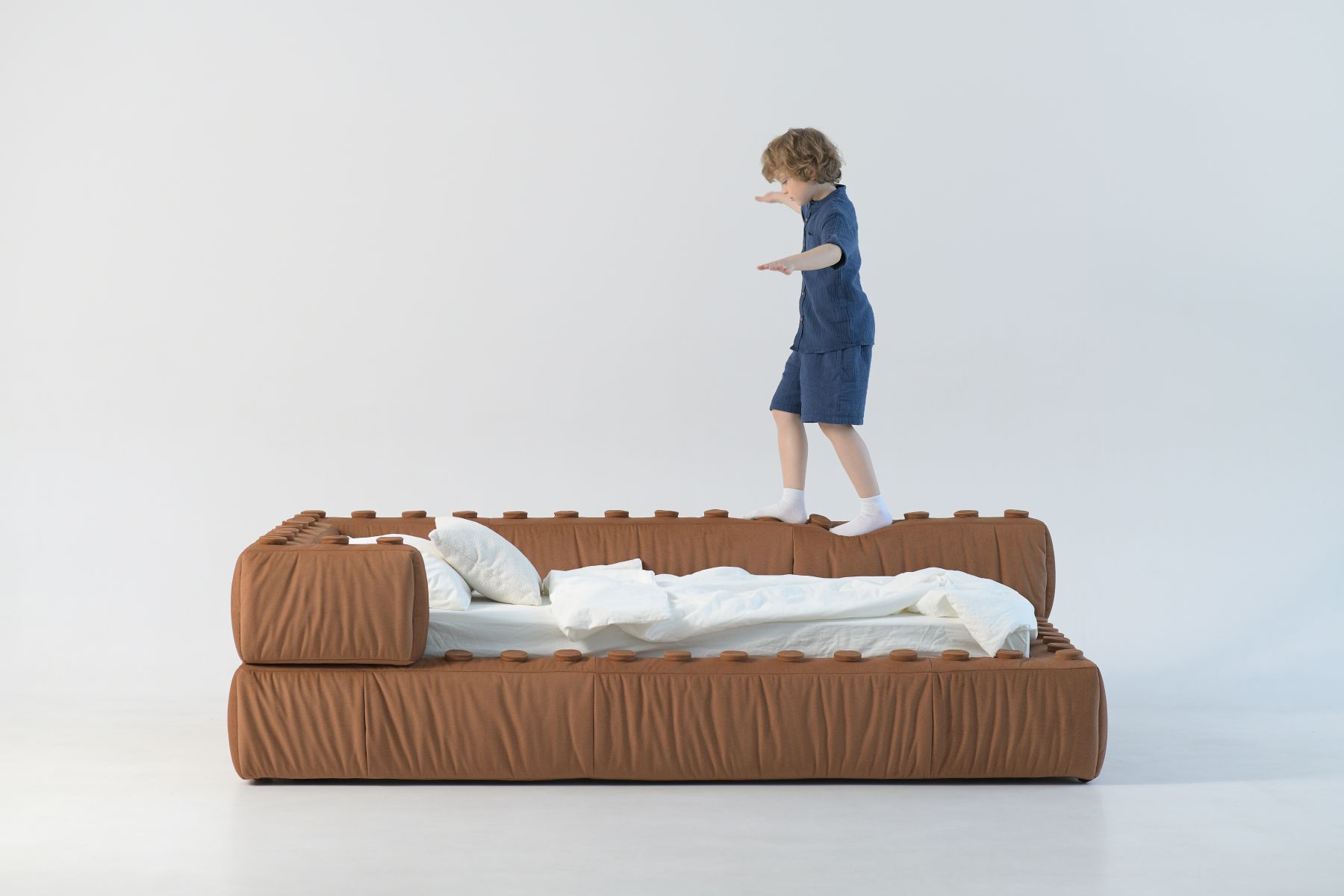
For the calmer school years and in a teenager's room, an upholstered bed works well: it's pleasant to lean against a padded headboard with a book or a gadget, and the fabric dampens sound. The practical tip is the same as always: choose a model with a removable cover that can be washed — in an active boy's room, that's a lifesaver.
When there are two boys
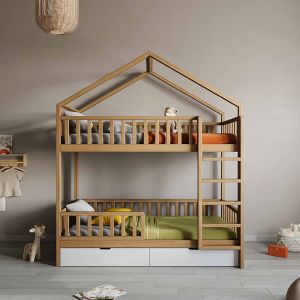
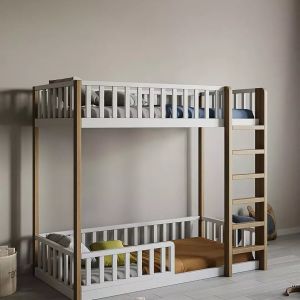
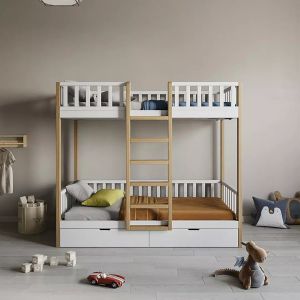
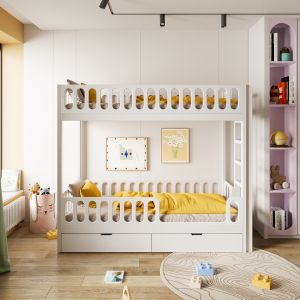
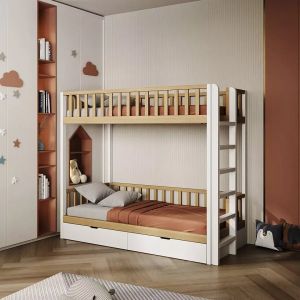
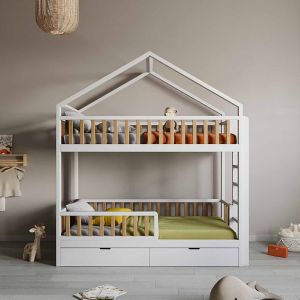
For two children in one room, the main issue is floor space. The classic solution is a bunk bed: two sleeping places on the footprint of one, with the freed-up space going to a play or work zone. It's important to remember the safety rule: the top bunk is used from age 6, and it's best if each child has their own corner for storage — that way there are fewer "is this my shelf or yours" arguments. For younger children, a low bunk format works well — both tiers are lower, so climbing up and down is easier.
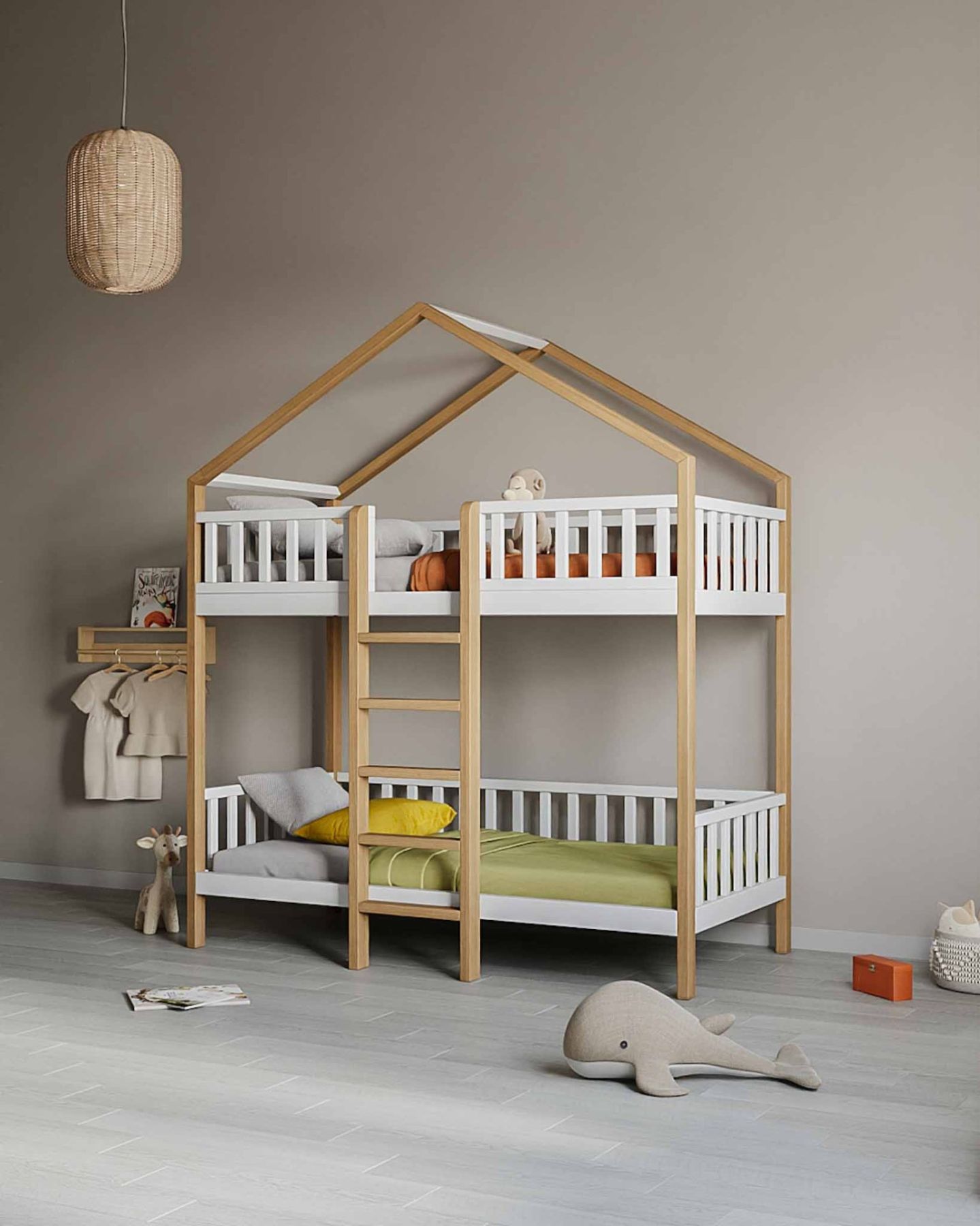
The main thing, so you don't have to redo the room: keep a neutral base (bed, wardrobe, desk in calm tones) and add character through changeable things — textiles, posters, a few details in the theme of the current interest. A theme is a stage, not a renovation: when the cars get boring, it's enough to change the bedspread, not the furniture.
When choosing a bed for a boy, be guided not by a "boyish" look but by age, the room's floor space, and whether the bed will easily "grow along" with the child. All the options — from house and car beds to upholstered and bunk beds — are gathered in the beds for boys category.
Frequently asked questions
How do you set up a boy's room so you don't have to redo it every year?
Keep a neutral furniture base and add the "boyish" character through changeable things — textiles and decor. Choose a bed to grow into (low Montessori → wooden with a guard rail → teenage), so you change the details rather than the furniture.
Is a car bed practical for a boy?
As a bright focal point for ages 3–6 — yes, it's a great joy for a child. But the theme is quickly outgrown, so it's better to keep the rest of the room neutral, so that later you can easily "grow out" of the car without a makeover.
Which bed should you choose for a room shared by two boys?
Most often a bunk bed — it fits two sleeping places on the footprint of one and frees up space for play. The top bunk is for ages 6 and up; it's good when each child has their own corner for storage.
When should you move from a children's bed to a teenage one?
The guide is not age but size: when the bed becomes too short for the child, or the themed bed is already "too small in mood". Usually this is closer to age 7; that's when calmer wooden or upholstered models are a good fit.