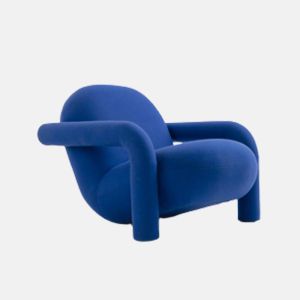
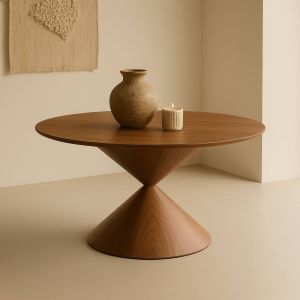
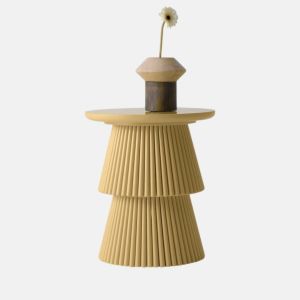
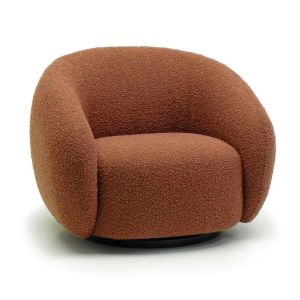
Author's furniture series: how do they differ from mass production?
A NEW CULTURE OF OBJECT DESIGN
The modern furniture market is no longer limited to a contrast between mass-market products and unique pieces created for a specific interior. Between these two extremes, a separate segment has emerged — designer furniture collections.
These are pieces developed by designers as complete objects with their own concept, yet produced in small series. This approach makes it possible to combine design authorship, functionality, and scalability.
Today, this format is actively developed by contemporary European and Ukrainian furniture brands.
WHY MASS PRODUCTION WORKS DIFFERENTLY
Mass furniture production is based on standardization. Its main goal is to create a universal product that can be manufactured in large volumes and sold on the global market.
Its typical features include:
- standard constructions
- standardized materials
- universal proportions
- minimization of production costs
- fast scalability
This approach works well for basic needs, but it rarely creates a strong design identity for an object.
DESIGNER COLLECTIONS AS AN ALTERNATIVE TO MASS MARKET
In contemporary object design, another approach is increasingly used — the creation of designer collections, where each piece has an author, a concept, and a clear aesthetic logic.
The main characteristics of such collections are:
- a piece developed by a designer or design studio
- a limited or small production run
- attention to proportions and details
- the use of high-quality materials
- the ability to integrate into different types of interiors
In fact, these are objects created as design pieces, but not limited to one-off production.

AUTHORSHIP AS THE FOUNDATION OF THE OBJECT
The key feature of designer furniture collections is the presence of a design idea.
Unlike standard production, where form is often subordinate to technological limitations, in designer collections the process begins with a concept.
The designer works with:
- proportions
- balance of forms
- material culture
- the functional logic of the object
As a result, each collection gains its own character and recognizable aesthetic.
THE UKRAINIAN CONTEXT OF OBJECT DESIGN
In recent years, Ukraine has seen active growth in the culture of local furniture brands that work specifically with designer collections.
This makes it possible to combine:
the work of Ukrainian designers
local production
contemporary materials
an independent design language
Within this format, objects are created that remain suitable for different interiors while preserving authenticity and authorship.
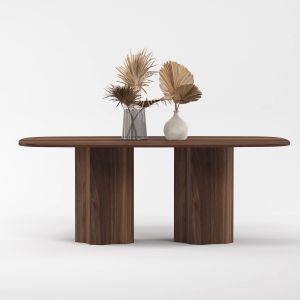
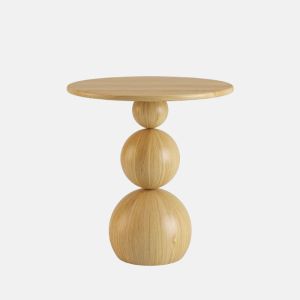
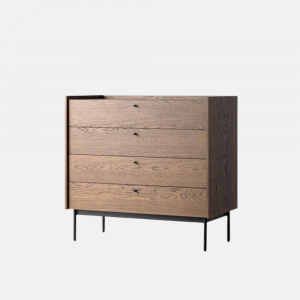
One example of this approach is our Ukrainian brand MAIIMO, which works with designer furniture collections created by Ukrainian designers. Each piece has its own concept and character, while also being able to integrate into different spaces — from private interiors to commercial projects.
WHY THE FORMAT OF DESIGNER COLLECTIONS IS BECOMING POPULAR
The growing interest in designer objects is connected to several trends.
First, people are looking for individuality in their spaces.
Second, interiors are increasingly becoming part of the visual culture of brands and venues.
Third, modern production technologies make it possible to manufacture small series without compromising quality.
As a result, a new balance is emerging between scale and authorship.

THE DIFFERENCE IN APPROACHES
To sum it up, the difference between mass-market furniture and designer collections can be explained through the very principle of creation.
Mass market focuses on production scale.
Designer collections focus on the value of the idea and the design of the object.
That is why such furniture is often perceived not only as a functional object, but also as part of contemporary object culture.
Series production does not always mean mass market. In contemporary design, a series can be a way of bringing an author’s idea to a wider audience.
Designer furniture collections combine design thinking, quality production, and accessibility for different interiors. It is this format that is shaping a new culture of object design today and opening new opportunities for the development of local designer brands.