Ceiling lamps


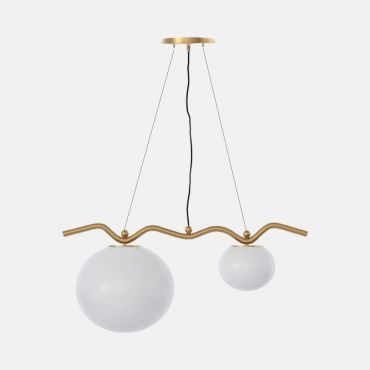

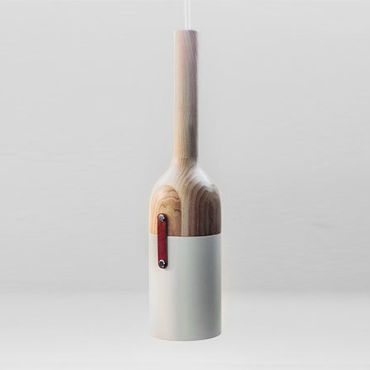

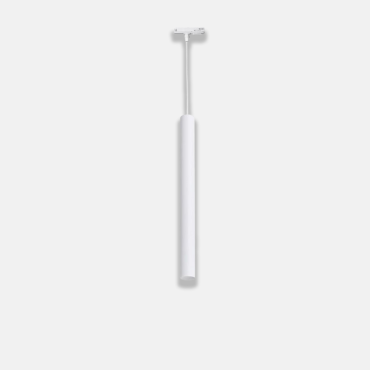

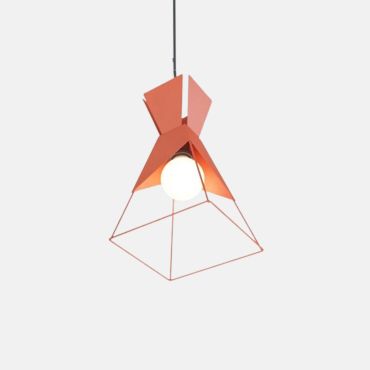
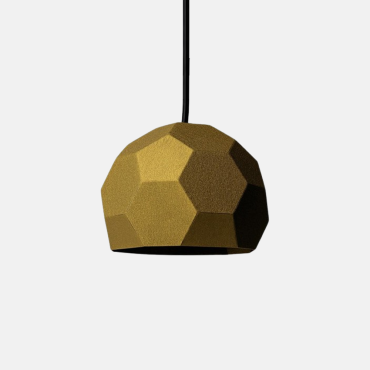
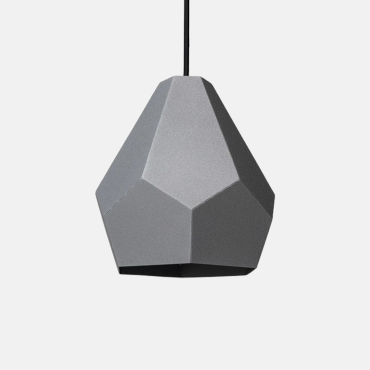
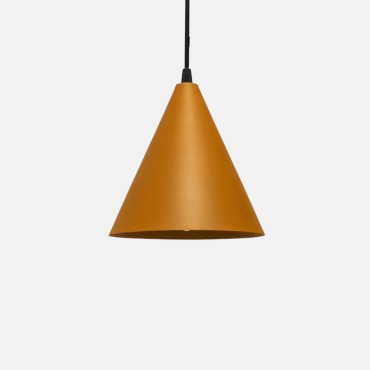


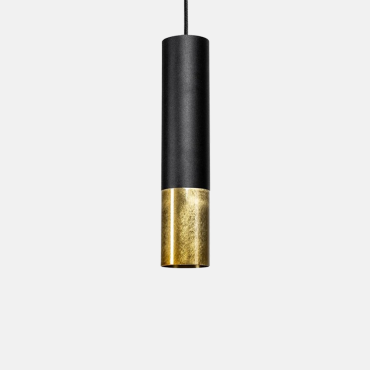

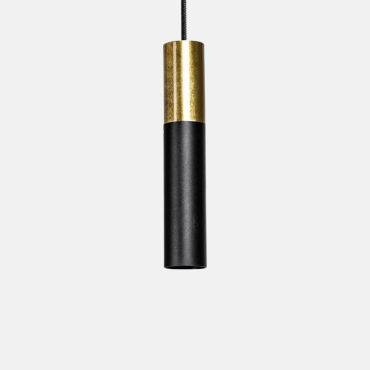
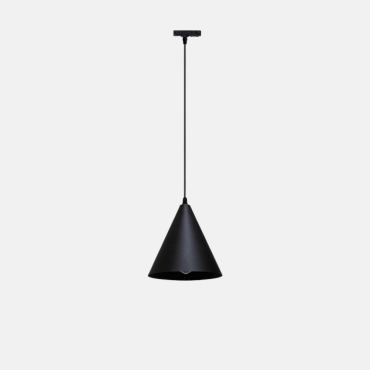
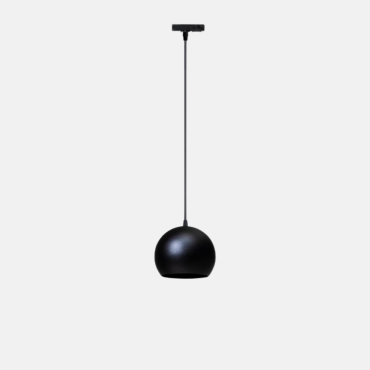


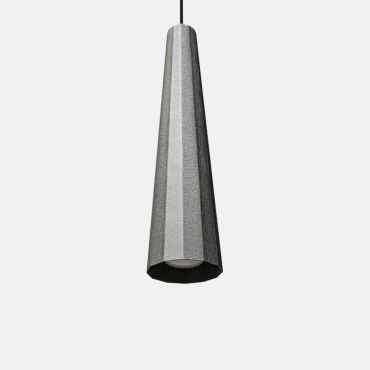

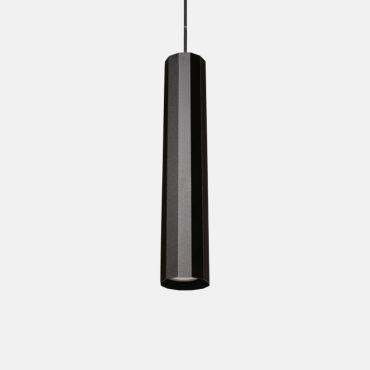
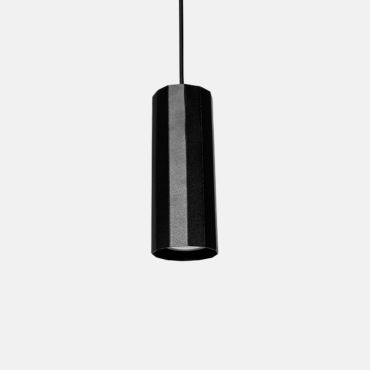
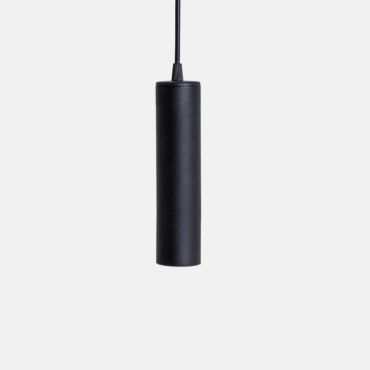
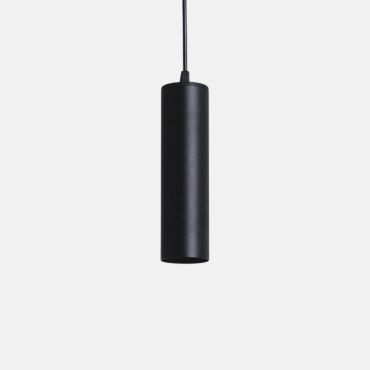
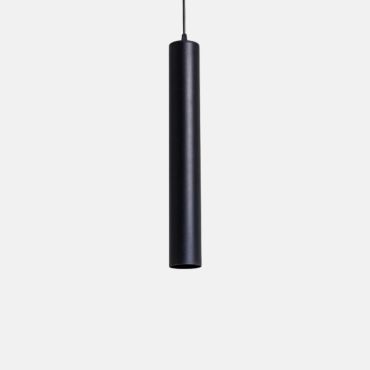
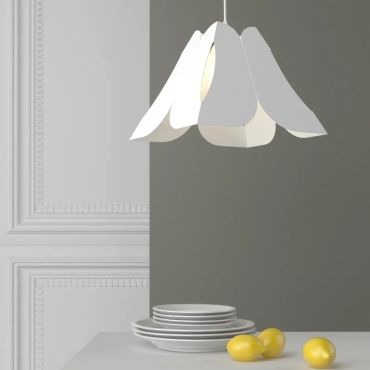


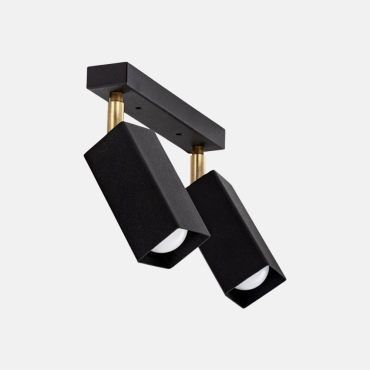
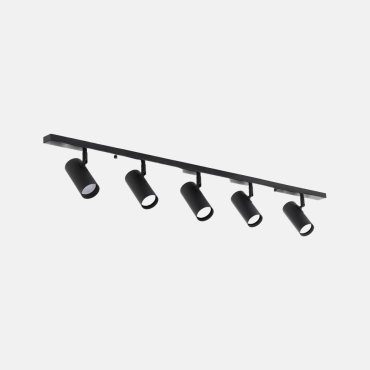


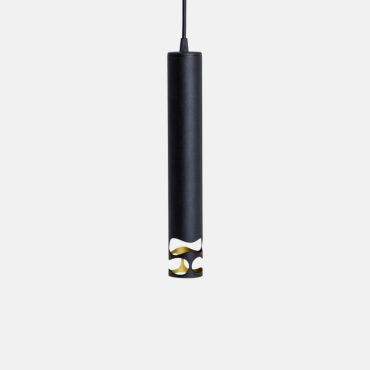
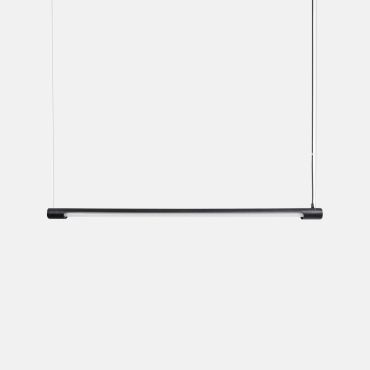
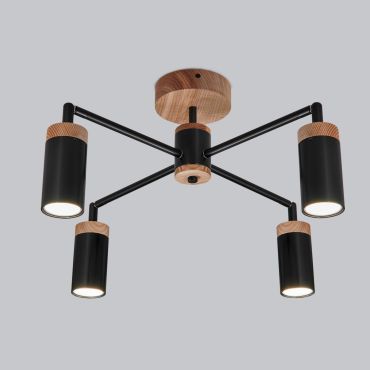
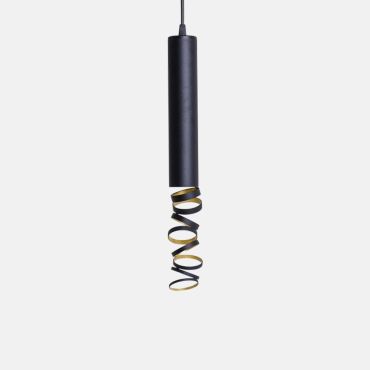
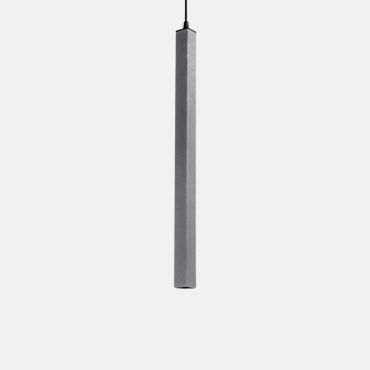
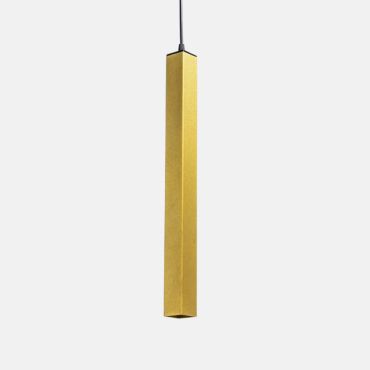
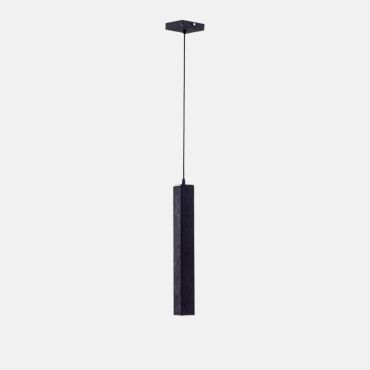
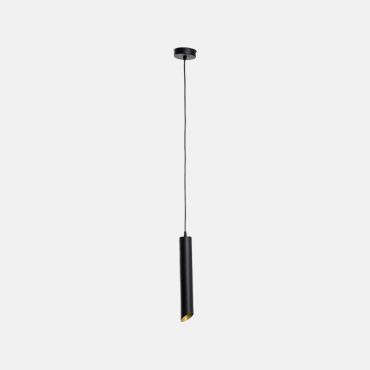
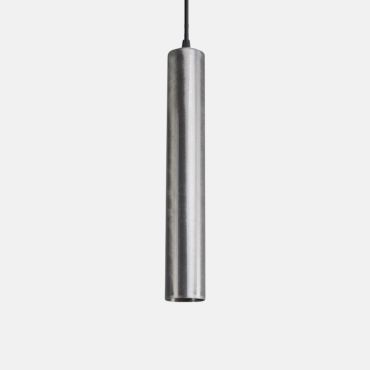
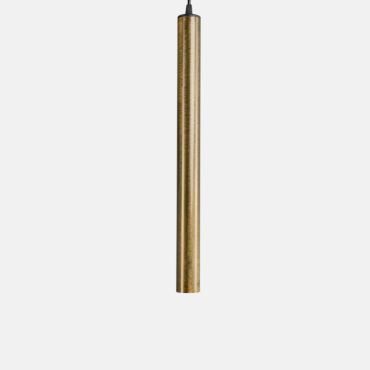
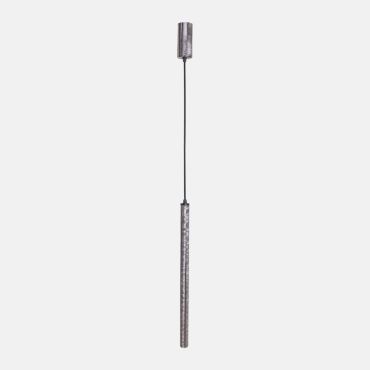
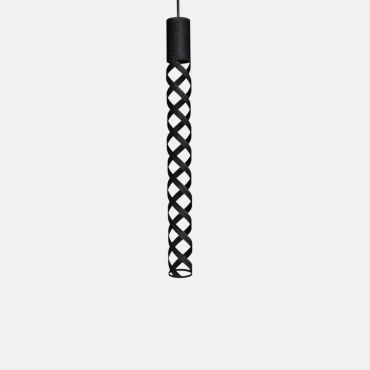
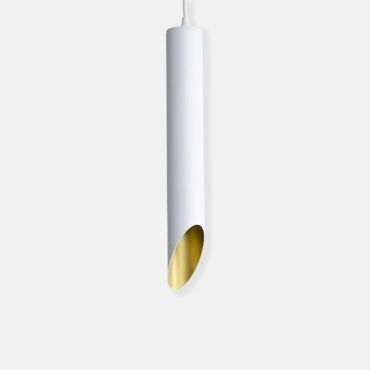


MAIIMO ceiling lights for modern interiors
Ceiling lights are needed when a room should have clean, composed and comfortable light without extra visual noise. They do not always take on the role of the main decorative accent, as a large chandelier does, and they do not drop into the space like a pendant. Their strength is different: a ceiling light can provide basic illumination, support the architecture of the room, avoid overloading a low ceiling and leave more air for furniture, decor and textiles. At MAIIMO, you can buy ceiling lights for a home where not only technical specifications matter, but also shape, material, proportion and the feeling of a modern interior.
For MAIIMO, this category is not about random technical shades or purely utilitarian light. It is about modern ceiling lights, designer ceiling lights and decorative models for bedrooms, living rooms, hallways, kitchens and other home zones. A ceiling light should work with the room: support the style, provide the right amount of light, avoid glare, feel natural and not conflict with other lighting sources.
Within the wider lighting system, ceiling lights are responsible for the basic upper layer. If chandeliers often become the central decorative element, pendant lights work well above a table, kitchen island or side unit, and wall lights add light on the wall, a ceiling light gives a calmer and more architectural solution. It is especially useful where a heavy composition overhead would feel excessive.
In modern interiors, ceiling lights are often chosen for rooms with modest ceiling height, minimal spaces, bedrooms, corridors, wardrobes, kitchens or living rooms where the main accent is already carried by furniture. This does not mean the light must be invisible. A good model can have character, but that character should not overload the room.
Before buying, it is important to define what the light should do: provide general light, highlight a specific zone, complement a chandelier, replace a pendant or become a restrained decorative element. Everything depends on that decision: shape, size, number of light sources, direction, material and even the color of the body.
Why ceiling lights should not be chosen only by brightness
Ceiling lights are often compared by wattage, diameter or number of bulbs, but for a home this is not enough. The light can be sufficient on paper and still feel uncomfortable every day. If a fixture glares, creates harsh shadows or looks too technical in a soft interior, it does not solve the real problem. In a living room or bedroom, the question is not only "how much light", but how the light feels.
The first criterion is diffusion. For a bedroom, living room and hallway, soft light without harsh shine usually works better. If the light source is exposed, check whether it will shine into the eyes from the sofa, bed or passageway. If the shade is matte or the fixture has thoughtful diffusion, the room feels calmer.
The second criterion is scale. A small ceiling light on a large ceiling can look accidental. A very massive fixture in a small room visually lowers the ceiling. The best result is when the size of the light corresponds to the room area, ceiling height and furniture below. A bedroom, a central living space and a corridor all need different proportions.
The third criterion is style. A ceiling light does not need to repeat every material in the room, but it should support the overall logic. If the interior has a lot of wood and textiles, a cold technical form may feel foreign. If the space is minimal, the fixture can be clean and laconic. If the room already has expressive furniture, a quieter model is often the better choice.
Buy a ceiling light: what to check before ordering
Before you buy a ceiling light, evaluate not only the product photo but also the exact place where it will be installed. Ceiling lighting cannot be moved as easily as a table lamp or floor lamp, so a mistake in height, size or light scenario will be felt for longer. The best decisions are made together with the room: furniture, wall color, ceiling height and other light sources.
The first thing to check is ceiling height. For low ceilings, flush mount or compact models usually work better because they do not take space overhead. For higher rooms, more expressive forms can be considered, but even then the fixture should not interfere with movement or look randomly suspended.
The second point is the room area. A small hallway does not need a large light that visually presses down. A spacious living room may need more than one compact shade. Sometimes the better solution is a layered system: a ceiling light as the base, wall lights as an additional layer, and a floor lamp or table lamp for evening atmosphere.
The third point is the use scenario. In a bedroom, light should be softer. In an entryway, sufficient brightness matters, but the feeling should not become cold. In a kitchen, a ceiling light can support general illumination, while the work surface often needs another source. In a living room, ceiling light should not be the only scenario because in the evening it can feel too direct.
The fourth point is how the fixture works with other lights. If the room already has wall lights, a pendant or a floor lamp, the ceiling light should be coordinated with them in light temperature and general mood. You do not need to buy everything from one series. Repeating material, metal tone, shade shape or overall restraint is often enough.
Modern ceiling lights
Modern ceiling lights are not only minimal white shades. In lighting, modernity means a clean form, good proportion, comfortable diffusion, considered material and the ability to stay relevant in the interior for more than one season. Such a fixture can be laconic, graphic, soft, round, geometric or almost invisible, but it should feel natural in a modern home.
At MAIIMO, modern ceiling lights should be seen as part of the interior architecture. They can support clean furniture lines, emphasize a calm space, avoid visually reducing the room and leave more attention for textiles, wood, ceramics, artwork or other objects. This is especially important in modern apartments where spaces are often connected and every detail is read beside others.
A modern ceiling light works well where a classic chandelier would feel too heavy. This might be a small bedroom, corridor, kitchen, wardrobe or living room with a low ceiling. It gives a sense of order and does not create unnecessary decoration. Yet if the form is chosen well, the fixture still feels interior-focused rather than technical.
It is important not to confuse modern with cold. A modern interior can be warm, tactile and very domestic. That is why ceiling fixtures should be chosen not only by shape, but also by how they glow. Warm or neutral-warm light often makes a room much more comfortable than a sharp cool tone.
Designer ceiling lights
Designer ceiling lights are useful when overhead light should be not just functional, but part of the character of the room. They can be restrained, yet still show an authored approach: form, material, mounting, proportion and light effect. Such a fixture does not need to be large or complicated. Often the stronger choice is a quiet form that you will want to keep for years.
For MAIIMO, the designer approach matters because lighting should work with furniture and decor by Ukrainian brands. If a room has a designer table, a laconic sofa, a wooden dresser or a textured bed, a random technical shade can spoil the overall impression. A designer ceiling light helps gather the interior without taking all attention for itself.
In these models, look at the details: how the body is made, whether the shade feels refined, whether the mounting looks too rough, and whether the material fits the rest of the room. A ceiling light is not seen only from below. It is perceived in movement: when entering the room, walking through the corridor, sitting on the sofa or lying in bed. Proportion and detail quality matter.
Designer ceiling lights are a good fit for interiors where a classic chandelier is not wanted, but overhead light still needs to look intentional. This could be a bedroom with a soft headboard, a low-ceiling living room, an entryway with a mirror or a kitchen where the main accent is already in the furniture.
Decorative ceiling lights
Decorative ceiling lights differ from purely technical fixtures because they do more than provide brightness. They add rhythm, form and finish to a room. A decorative light can be small, but it is immediately visible because it sits on the ceiling and affects the perception of the whole space.
In a bedroom, a decorative ceiling light can replace a heavy chandelier and make the room calmer. In a living room, it can act as the base, supported by floor lamps, table lamps or wall lights. In a corridor, a decorative model turns a passage area into part of the home rather than a technical route. In a kitchen, it can support a modern style without unnecessary mass.
Decorative does not mean excessive. A light can be simple but interesting because of its material, shape or soft lighting effect. For MAIIMO, this balance matters: the object should feel designed, but not turn the room into a showroom. In a real home, light has to live beside furniture, textiles, books, tableware, decor and daily objects.
If the room already has strong decorative elements, quieter ceiling fixtures usually work better. If the interior is very minimal, the ceiling light can be slightly more expressive and take the role of a soft accent. The main thing is that it should not feel foreign once the light is switched on.
Materials, form and color of a ceiling light
The materials of a ceiling light affect not only appearance, but also how the light feels in the room. Metal adds clarity and graphic structure. Wood or wooden details make the fixture warmer. Glass can add lightness, but it requires careful choice of light source to avoid harsh glare. Matte surfaces usually feel calmer and are often better for bedrooms and living rooms.
Form also matters. Round models feel softer and work well in bedrooms, corridors, children's rooms and passage areas. Square or rectangular forms look more graphic and can support a modern kitchen, entryway or minimal living room. Cylindrical flush mount models often give a good balance between compactness and presence.
The body color should be chosen in relation to the ceiling, furniture and metal details in the room. A white fixture on a white ceiling looks quiet and attracts little attention. A black body adds graphic contrast, but can be too active in a small room. Warm metal tones pair well with wood, beige walls, textiles and ceramics.
If the room already has several materials, the light should not add another random one. It is better to repeat what is already there: black metal in furniture handles, light metal in table legs, wood in a dresser or a warm matte texture in decor. This makes the ceiling light feel like part of the interior rather than a separate purchase.
How ceiling lights help zone a space
Ceiling lights can do more than illuminate a room; they can help zone it. This is especially important in modern apartments where the living room is combined with the kitchen, a work corner or a dining area. One central fixture does not always solve every task. Sometimes it is better to create several light points that support different scenarios.
In an open space, a ceiling light can provide basic illumination in the seating area, while a pendant works better over the dining table. In a corridor, several compact ceiling lights can set rhythm and keep the passage from feeling dark or overloaded. In a bedroom, one ceiling light can handle general light, while wall lights near the bed create the evening scenario.
Zoning with light works best when sources do not compete. If the ceiling light is very bright and cool while the local light is warm and soft, the room can feel broken apart. It is better to keep the light temperature consistent and choose forms that do not look as if they came from different interiors.
For MAIIMO, lighting should support furniture. If a room has a dining table, sofa, armchair, dresser, console or bed, light should emphasize these zones rather than flood the whole room with the same brightness. This is where ceiling lights work well together with other lighting categories.
Ceiling lights for bedroom
Ceiling lights for bedroom interiors should be soft, calm and not too sharp. A bedroom reveals lighting mistakes quickly: if the overhead light glares, has a cold tone or creates harsh shadows, you will not want to use it in the evening. For this reason, a bedroom ceiling light should have comfortable diffusion and a form that does not press down on the space.
In a bedroom, the ceiling light should not be the only source. It works best as the base layer, supported by wall lights near the bed, table lamps on bedside tables or pendants beside the headboard. This gives the room several scenarios: brighter for cleaning and softer for evenings.
If the bedroom is small or has a low ceiling, a ceiling light is often better than a massive chandelier. It does not take height, does not interfere with movement and does not create a heavy center above the bed. In this case, the body color also matters: a white or light fixture can almost disappear on the ceiling, while a dark one creates a graphic accent.
For a bedroom, it is better to avoid light that is too cool. It can be appropriate in technical areas, but in a room for rest it often creates an office-like feeling. Warm or neutral-warm light supports textiles, wood, rugs, blankets and soft furniture much better.
Ceiling lights for living room
Ceiling lights for living room spaces should work with several scenarios at once. A living room rarely has only one mode: people relax, host guests, watch films, read, sometimes work or have dinner there. One overhead light can be too little or too much for the evening. That is why a ceiling light in the living room is best combined with local lighting.
If the living room is small, a modern ceiling light can replace a chandelier and make the space feel lighter. If the room is spacious, it can be part of a system: overhead light provides the base, floor lamps create a soft island near the sofa or armchair, and wall lights add depth to the walls. This approach makes the interior layered rather than flat.
In a living room, it is important not to overdo brightness. Very strong overhead light can ruin the atmosphere, even if the fixture is beautiful. It is better when the ceiling light provides a comfortable base and additional sources handle the evening mood. This makes the room feel more refined without excessive decoration.
If the living room already has an accent chandelier, ceiling lights can serve as a secondary solution for a passage, shelf zone or part of the room. But if there is no chandelier, a designer ceiling light can become a restrained overhead accent.
Ceiling lights for kitchen, corridor and entryway
Ceiling lights for a room or passage should be chosen according to the specific zone. In a kitchen, overhead light should be sufficient, but it does not have to be the only light. The work surface often needs additional lighting, while a dining table is usually better served by a pendant or separate decorative scenario. The ceiling light provides a clean base.
In a corridor or entryway, ceiling fixtures should be compact, convenient and bright enough. You need to see the mirror, wardrobe, shoes and keys, but the space should not feel like a technical passage. A modern ceiling light can make an entryway look neat and warm, especially if there is a mirror, console, decor or wooden elements nearby.
For a narrow corridor, avoid an overly large form. If the fixture protrudes too much, it visually lowers the ceiling. If the corridor is long, several identical or similar lights can set rhythm. The important point is that they should not look like an office lighting strip.
In a kitchen, the ceiling light should be chosen together with the furniture and overall style. If the kitchen is minimal, the fixture can be laconic. If there is a lot of wood, warm cabinetry or natural stone, a cold technical form may break the feeling. The best models provide enough light while remaining interior-focused.
Ceiling lights for low ceilings
Ceiling lights for low ceilings should be compact, proportional and visually light. In rooms with modest height, a massive chandelier or long pendant can take space and create pressure. In this situation, a ceiling light is often the better solution because it stays close to the ceiling plane and does not interfere with movement.
For low ceilings, look at flush mount models, flat forms, light-colored bodies, soft diffusion and clean geometry. If the fixture has a dark body, it can become a graphic accent, but its size should be considered in relation to the room. In a small bedroom or corridor, a dark large light can feel heavy.
Another useful approach is not to make one fixture responsible for everything. In low rooms, calm overhead light plus local sources often works better: wall lights, a floor lamp or a table lamp. The ceiling remains visually quiet, but the room still has enough light.
If a room has a low ceiling and dark walls, the light may feel lower than it really is. In this case, not only the fixture matters, but also how the light spreads. A matte diffuser, the right temperature and additional local scenarios help make the room visually softer.
Flush mount ceiling lights
Flush mount ceiling lights are one of the most practical options for residential interiors, especially when you do not want complicated installation or a lowered ceiling. They mount directly to the ceiling surface and can work in a bedroom, corridor, living room, kitchen, wardrobe or children's room. For MAIIMO, a flush mount ceiling light should not look technical; it should feel like part of the interior.
Flush mount models work well for low and standard ceilings. They can be round, square, cylindrical, minimal or more decorative. The choice depends on the room: a bedroom usually needs a softer form, a corridor needs compactness, and a living room needs proportion in relation to the furniture and area.
The main advantage of a flush mount fixture is that it does not take much space. But that does not mean design can be ignored. Even a small ceiling light is visible overhead, so its form and material should support the interior. If the model looks accidental, it will be noticeable every time you enter the room.
For a modern home, a flush mount light is often better than a complex decorative chandelier when calm overhead light is desired. When a stronger accent is needed over a table or island, it is better to add a separate pendant light.
Ceiling fixtures and other lighting types
Ceiling fixtures should not be confused with every other lighting type because each category has its own role. A ceiling light provides a base or compact overhead accent. A chandelier often works as the main decorative center. A pendant drops lower and emphasizes a specific zone. Spot and track systems help control light direction.
If you need general light without a strong accent, a ceiling light is the right choice. If you want to emphasize a dining table, kitchen island or bedside area, pendant models are often better. If you need light on a wall, near a bed or mirror, wall lights are appropriate. If you want a more complex system with several directions, track lights may work well.
For focused light, MAIIMO has a separate spot lights category, and it is better not to merge it with this ceiling light page as the main target. Spot lights solve different tasks: accents, local illumination and even distribution across a ceiling. The ceiling light on this page should remain a separate category with its own logic.
If you want a more natural material, you can also look at wooden lights. They work well in warm interiors where lighting should support wood, textiles, ceramics and natural tones. For basic overhead light, however, ceiling models remain the more universal solution.
How to choose a ceiling light by interior style
To choose a ceiling light by interior style, look not only at the fixture itself, but also at what is already in the room. The ceiling does not exist separately from furniture. The light will be perceived beside the sofa, table, bed, kitchen fronts, doors, flooring, textiles and decor.
For a minimal interior, simple geometric forms, matte surfaces, clean lines and absence of unnecessary details work well. For a warm modern space, choose a model with a softer form or a material that does not feel cold. For interiors with wood, clay, linen or wool, avoid an overly technical look.
If the room is small, it is better not to make the ceiling light the main decorative element. In a small space, it starts to dominate quickly. If the room is large and calm, the light can be more expressive, but it should still support the overall composition.
It is easier to buy ceiling lights when the room's style is already clear. If renovation is not finished yet, focus on future materials: wall color, wood tone, metal details and furniture shape. A ceiling light should not be the last accidental purchase, but part of the overall lighting plan.
What light is best for a ceiling fixture
For a ceiling fixture, it is important to choose not only the form, but also the light temperature. In living spaces, warm or neutral-warm light usually works best. It supports wood, textile, leather, ceramics and natural colors, and does not make the room feel cold. A very cool tone can be practical, but in a bedroom or living room it often feels foreign.
In a bedroom, light should help calm the space. In a living room, it should be sufficient but not sharp. In a corridor, it should give visibility without turning the entry area into a technical passage. In a kitchen, it should support general brightness without fighting the local light over the work surface.
The color of light should be coordinated with other sources in the room. If the ceiling light is warm and the wall light is cool, the space can feel accidental. The same applies to floor lamps, table lamps and pendants. In a good interior, different fixtures do not have to be identical, but their light should work together.
If dimming is available, it is useful for bedrooms and living rooms. But this should not become the main criterion if the fixture itself does not suit the room in form, scale or style. First come proportion and comfort; additional functions come after.
When a ceiling light is not the best choice
A ceiling light is not always the best solution. If you need to emphasize a dining table, kitchen island or coffee table, pendant lights may work better. They bring the light lower and make the zone more expressive. In that case, the ceiling light can remain the basic background rather than the main accent.
If you need light near a bed, mirror or hallway wall, wall lights are more appropriate. They do not replace overhead light completely, but they make the room more convenient. In a bedroom, wall lights are often more pleasant for evening use than one central ceiling fixture.
If you want to create a cozy corner near a sofa or armchair, a floor lamp may be better. It gives light at a human level, softens the space and does not require ceiling installation. For a living room, this is often one of the most pleasant evening scenarios.
If you need precise direction on an artwork, shelf, wall texture or work zone, spot or track lights may be better. A ceiling light gives a more general scenario. It can be beautiful and functional, but it should not be expected to solve every lighting task at once.
How to know that a ceiling light is chosen well
A well-chosen ceiling light does not force you to think about it every day. It gives enough light, does not glare, does not look foreign and does not interfere with other objects in the room. Its form supports the interior instead of living separately. When switched on, it makes the room more comfortable; when switched off, it remains appropriate on the ceiling.
A good ceiling light also does not steal the role of every other light source. It can be the base, but it leaves room for wall lights, floor lamps, table lamps or pendants. This is how lighting becomes flexible: brighter for daily tasks and softer in the evening.
Another sign of a good choice is that the fixture does not age too quickly in the interior. An overly trendy form can become tiring, especially if it is placed in the center of the ceiling. For basic overhead light, clean and proportional models often work better because they do not demand constant attention.
At MAIIMO, ceiling lights should be chosen with the same care as furniture. This is not a small technical purchase, but part of the interior that is visible every day. When the light, form and material are right, the room feels calmer, more refined and more complete.
Common mistakes when choosing ceiling lights
The first mistake is buying a ceiling light only because it looks good in a photo. On a white background, a model may seem neat, but in the room it can be too small, too large, too cold or too technical. Always imagine the fixture on the actual ceiling and next to the actual furniture.
The second mistake is ignoring ceiling height. Massive forms are often wrong for low rooms. For high ceilings, an overly flat fixture can disappear. The proportion should suit not only the area, but also the vertical scale of the room.
The third mistake is making overhead light the only light. Even a good ceiling light cannot always create every scenario. For evenings, wall lights, a floor lamp or a table lamp may be needed. For zoning, pendants or track systems can help. Overhead light is the base, but not the whole story.
The fourth mistake is mixing different light temperatures without a plan. If the ceiling light is cool, the pendant is warm and the wall light is neutral, the room can feel uncoordinated. It is better to keep the light in one logic, especially in smaller spaces.
The fifth mistake is choosing the wrong type for the task. If you need a decorative model for the bedroom, do not choose a purely technical fixture only because it is bright. If you need light over a table, a pendant may be better. If you need direction toward art or shelves, spot or track lights may be more suitable. The right type of light saves more frustration than any "universal" option.
FAQ about ceiling lights
What ceiling lights are best for a bedroom?
Ceiling lights for bedroom interiors are best with soft diffusion, warm or neutral-warm light and a calm form. For a bedroom, it is important that the ceiling light does not glare, does not feel heavy above the bed and works well with wall lights, table lamps or other evening scenarios.
How are modern ceiling lights different from classic chandeliers?
Modern ceiling lights are usually more compact, laconic and suitable for interiors where a heavy ceiling center is not wanted. A classic chandelier often works as a decorative accent, while a ceiling light can provide clean basic light without overloading the room.
Is it worth buying a ceiling light for a low ceiling?
Yes, it is often better to buy a ceiling light for a low ceiling than to choose a massive chandelier or long pendant. Compact flush mount models do not take height, do not interfere with movement and help preserve more visual air in the room.
What ceiling lights work for a living room?
Ceiling lights for living room spaces should provide a comfortable base and combine well with other sources. For evenings, a ceiling light is best supported by a floor lamp, wall light or table lamp so the room is not lit only from above.
Can a ceiling light replace a chandelier?
Yes, a ceiling light can replace a chandelier if you need a calmer, more compact and more modern solution. This is especially useful for bedrooms, corridors, kitchens, entryways or living rooms with low ceilings. If you need a strong decorative center, chandeliers are still worth considering.
What designer ceiling lights suit a MAIIMO interior?
Designer ceiling lights for a MAIIMO interior should be proportional, strong in material and not too technical in appearance. Laconic forms, soft light, natural tones, clean geometry and models that support furniture, wood, textiles and decor usually work best.
Do you need ceiling lights if there are already wall lights or a floor lamp?
Ceiling lights and wall lights or floor lamps do different jobs. A ceiling light provides the basic upper layer, a wall light works on the wall, and a floor lamp creates local light near a sofa or armchair. Together, they create a more flexible and comfortable scenario than one source alone.
How do you know what size ceiling light is needed?
The size of a ceiling light should be chosen according to room area, ceiling height and furniture scale. A small room usually needs a compact model, while a spacious room may need a more expressive fixture or several sources. The light should not disappear on the ceiling, but it should not press down on the room either.